Shipping from China Near Me USA: Your Ultimate 2025 Logistics Guide
Finding reliable shipping from china near me usa can feel like a daunting task for many growing businesses. However, the right logistics partner simplifies the entire process by bridging the gap between global manufacturing hubs and your local warehouse. You can streamline your operations and reduce costs significantly by choosing a provider that understands the nuances of transpacific trade routes. This guide explores how to navigate international logistics while maintaining the convenience of a local service feel.
Why You Need a Local Partner for Shipping from China Near Me USA
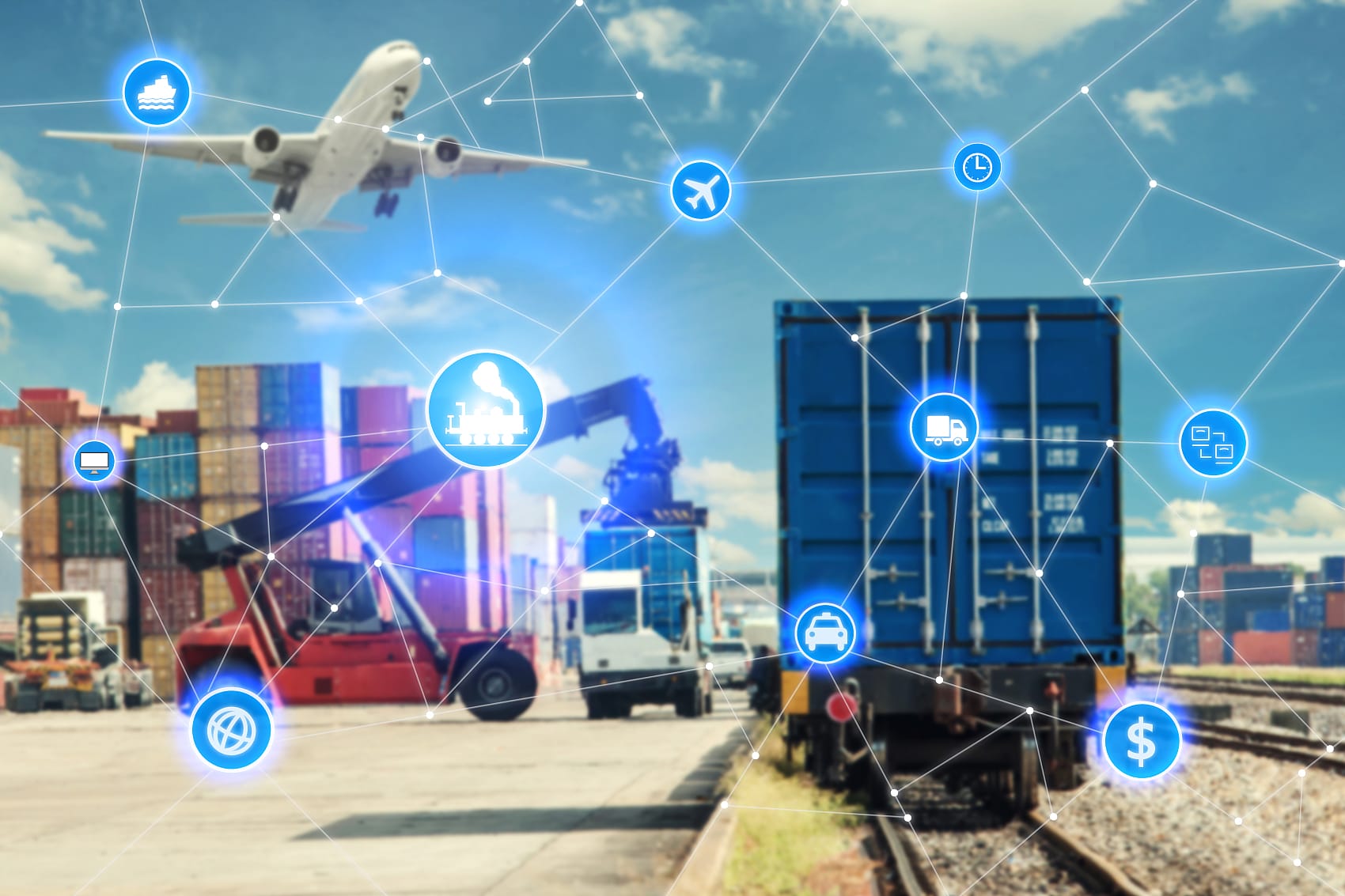
Businesses often struggle with communication barriers and time zone differences when dealing directly with overseas carriers. Selecting a partner that offers localized support ensures that you receive real-time updates without staying up all night. Moreover, a dedicated provider can manage the complex paperwork required by both Chinese exporters and US Customs authorities.
Reliability remains the cornerstone of a successful supply chain in today’s volatile market. Consequently, working with experts who have a physical presence or specialized knowledge in the USA allows for faster troubleshooting when port congestion or weather delays occur. You gain the advantage of global reach combined with the accountability of a nearby service representative.
How Does Sea Freight Compare to Other Shipping Options?
Ocean transportation remains the most popular method for moving large volumes of goods across the Pacific. While sea freight offers the lowest cost per unit, it requires careful planning due to longer transit times. Shippers must decide between Full Container Load (FCL) and Less than Container Load (LCL) based on their specific inventory needs.
In contrast, air cargo provides unmatched speed for high-value or time-sensitive products. Although the price is significantly higher, the reduced inventory holding costs can sometimes justify the investment. Understanding the trade-offs between these modes is essential for maintaining a healthy profit margin.
| Shipping Method | Cost Range | Transit Time | Best For |
|---|---|---|---|
| Sea Freight (FCL) | $2,500 – $5,500 | 18 – 35 Days | Bulk inventory |
| Sea Freight (LCL) | $100 – $350/CBM | 22 – 40 Days | Small pallets |
| Air Freight | $5.00 – $12.00/kg | 3 – 8 Days | Electronics |
| Express Courier | $8.00 – $16.00/kg | 2 – 5 Days | Samples |
Which Option Should You Choose for Your Business?
Budget priority usually dictates a move toward ocean transport, especially for heavy or bulky items. If your primary goal is cost-saving, scheduling shipments well in advance helps you avoid peak season surcharges. Additionally, consolidating multiple small orders into a single FCL shipment can reduce the total landed cost per item.
Speed priority necessitates air freight or express services to meet tight deadlines. For example, product launches or seasonal inventory shortages often require the rapid turnaround that only flight-based logistics can provide. Meanwhile, hybrid solutions like sea-air combinations offer a middle ground for those seeking a balance of speed and affordability.
Understanding Transit Times for Shipping from China Near Me USA
Transit times vary greatly depending on whether your cargo is heading to the West Coast or the East Coast of the United States. Specifically, shipments to Los Angeles or Long Beach are much faster than those traveling through the Panama Canal to Savannah or New York. You should also account for inland trucking time if your final destination is in the Midwest.
Port congestion and seasonal demand can add several days to the estimated delivery schedule. Therefore, it is wise to add a buffer of at least one week when planning your marketing campaigns or retail restocks. Using a door to door service can help minimize these delays by ensuring a seamless handoff between different transport modes.
| Destination Region | Sea Transit | Air Transit | Total Door-to-Door |
|---|---|---|---|
| US West Coast | 14-18 Days | 3-5 Days | 20-25 Days |
| US East Coast | 28-35 Days | 4-6 Days | 35-45 Days |
| US Midwest | 22-28 Days | 4-7 Days | 30-38 Days |
Essential Customs Documentation for US Imports
Navigating the legal requirements of international trade is often the most challenging part of the process. You must ensure that all commercial invoices, packing lists, and bills of lading are accurate and complete. Furthermore, an expert in customs brokerage can help you classify your goods correctly using the Harmonized Tariff Schedule (HTS).
Incorrect classification can lead to significant fines or even the seizure of your cargo by US Customs and Border Protection. In addition, certain products may be subject to anti-dumping duties or Section 301 tariffs. Consequently, staying informed about current trade regulations is vital for any importer looking to maintain a smooth supply chain.
Cost-Saving Strategies for Your Supply Chain
Reducing your freight spend requires a strategic approach to volume and timing. For instance, shipping during the off-peak months of March through June can result in much lower rates than the busy August to October period. Moreover, optimizing your packaging to reduce wasted space can lower your dimensional weight charges for air shipments.
Negotiating long-term contracts with freight forwarders can also provide price stability in a fluctuating market. Another effective strategy involves using bonded warehouses to defer duty payments until the goods are actually sold. Finally, consider using Amazon FBA logistics if you are an e-commerce seller looking to automate your fulfillment process.
Realistic Case Studies of China to USA Shipments
Case Study 1: Electronics Distribution to California. Route: Shenzhen to Los Angeles. Cargo: 1,200 units of consumer electronics, 15 CBM, 3,200 kg. Method: Sea Freight LCL. Ocean Freight: $1,450. Origin/Destination Charges: $650. Total Landed Cost: $2,100. Sea Transit: 16 days. Total Door-to-Door: 24 days. Key Insight: Utilizing LCL allowed the client to maintain stock without the expense of a full container during a minor sales dip.
Case Study 2: Apparel Restock for New York Retailer. Route: Ningbo to New York. Cargo: 500 cartons of organic cotton t-shirts, 28 CBM. Method: 20GP Full Container. Ocean Freight: $3,800. Customs and Duties: $1,200. Total Landed Cost: $5,000. Sea Transit: 32 days. Total Door-to-Door: 42 days. Key Insight: Booking four weeks in advance secured a rate 15 percent below the market average during the Q4 peak season.
Case Study 3: Urgent Industrial Parts to Chicago. Route: Shanghai to Chicago O-Hare. Cargo: Specialized machinery components, 450 kg. Method: Air Freight. Air Freight Cost: $3,150. Customs Clearance: $250. Total Landed Cost: $3,400. Air Transit: 4 days. Total Door-to-Door: 7 days. Key Insight: Direct air freight prevented a factory shutdown that would have cost the client over $10,000 per day in lost production.
Final Thoughts on Shipping from China Near Me USA
Mastering the complexities of shipping from china near me usa is a vital skill for any modern business owner. By understanding the differences between freight modes and staying proactive with documentation, you can avoid common pitfalls and save money. Remember that the cheapest option is not always the best if it results in missed deadlines or damaged goods.
Successful importers prioritize transparency and communication when selecting their logistics partners. As market conditions change, staying flexible and informed will allow you to adapt your strategy and maintain a competitive edge. Start optimizing your transpacific shipping today to ensure your business continues to thrive in the global marketplace.
Ready to streamline your logistics?
Streamline your international logistics today by partnering with a team that understands your local needs. Whether you require sea, air, or express solutions, we provide the expertise to get your goods delivered safely and on time. Contact us now to receive a customized quote for shipping from china near me usa and take the first step toward a more efficient supply chain.