

Sea Freight China by Sea Spain: The Complete 2025 Shipping Guide
Navigating the complexities of international logistics requires a reliable partner for your sea freight china by sea spain requirements. At China World Cargo, we streamline the process of moving goods across the ocean efficiently. Consequently, businesses can focus on growth while we handle the heavy lifting of global trade. Furthermore, this comprehensive guide explores how to optimize your maritime shipments for maximum cost-effectiveness.

Why Choose Sea Freight China by Sea Spain for Your Business?
Maritime transport remains the most economical method for moving large volumes of goods across long distances. Specifically, importing via sea freight china by sea spain allows companies to maintain high inventory levels without the exorbitant costs associated with aviation. Moreover, the environmental impact of ocean transport is significantly lower than other modes, making it a sustainable choice for modern enterprises.
Choosing this route provides access to some of the most advanced port infrastructures in the world. As a result, shippers benefit from streamlined operations and predictable scheduling. Additionally, the versatility of ocean vessels means you can transport everything from hazardous materials to oversized machinery with ease.
Reliability in the supply chain is essential for maintaining customer trust in the Spanish market. Therefore, selecting established maritime routes ensures that your products arrive within a consistent timeframe. Meanwhile, the cost savings realized through ocean shipping can be reinvested into marketing or product development.
FCL vs LCL: Selecting the Right Sea Freight China by Sea Spain Method
Understanding the difference between Full Container Load (FCL) and Less than Container Load (LCL) is vital for cost management. When you utilize sea freight, FCL offers a dedicated space for your cargo, which reduces the risk of damage from other shippers’ goods. Conversely, LCL is ideal for smaller shipments that do not require an entire 20ft or 40ft container.
Businesses often find that FCL is faster because it avoids the consolidation and deconsolidation processes required for LCL. However, LCL provides the flexibility to ship smaller batches of inventory more frequently. Consequently, your choice should depend on your specific volume and urgency requirements.
Table 1 below illustrates the primary differences between these two common shipping methods to help you decide.
| Feature | Full Container Load (FCL) | Less than Container Load (LCL) | Recommendation |
|---|---|---|---|
| Volume | Over 15 CBM | Under 15 CBM | FCL for large orders |
| Cost | Fixed per container | Calculated per CBM | LCL for small batches |
| Security | Higher (Exclusive use) | Moderate (Shared space) | FCL for fragile goods |
| Speed | Faster transit | Slower due to sorting | FCL for tight deadlines |
How Does Sea Freight China by Sea Spain Compare to Other Shipping Options?
While ocean shipping is cost-effective, it is important to consider alternative strategies based on your timeline. For instance, air freight is significantly faster but can cost up to five times more than sea transport. This makes aviation suitable only for high-value or extremely urgent cargo.
Another viable alternative for the China-Spain route is rail freight, which offers a middle ground in terms of both cost and speed. Rail shipments typically arrive in Spain within 18 to 24 days, compared to the 30 to 40 days required for sea transit. Nevertheless, rail capacity is more limited than the vast space available on container ships.
Hybrid solutions, such as sea-air combinations, can also be explored to balance budgets and delivery schedules. Specifically, shipping by sea to a hub like Dubai and then flying to Madrid can save time compared to a full ocean voyage. In contrast, direct sea freight remains the gold standard for bulk commodities.
| Shipping Method | Cost Range | Transit Time | Best For |
|---|---|---|---|
| Sea Freight | $2,500 – $4,500 | 30-40 Days | Bulk & Heavy Goods |
| Air Freight | $15,000 – $25,000 | 5-8 Days | Urgent Electronics |
| Rail Freight | $6,000 – $9,000 | 18-24 Days | Mid-value Retail |
| Express | Very High | 3-5 Days | Samples & Documents |
Key Ports for Sea Freight China by Sea Spain Shipments
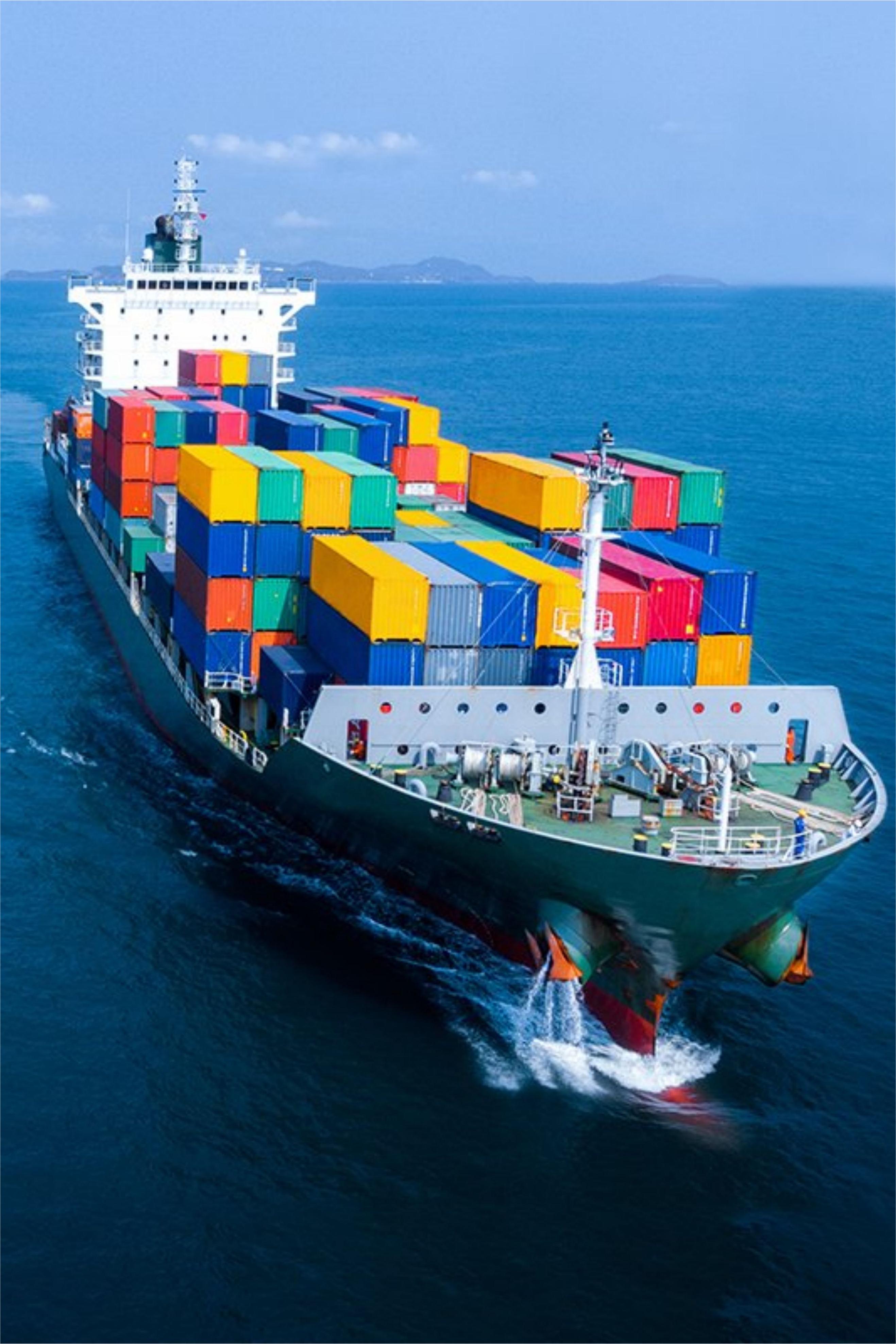
Selecting the right port of loading and discharge can significantly impact your total landed cost. Major Chinese ports like Shanghai, Ningbo, and Shenzhen offer the most frequent departures and competitive container shipping rates. Furthermore, these ports feature highly automated cargo handling systems that minimize delays.
In Spain, the Port of Barcelona and the Port of Valencia are the primary gateways for Mediterranean trade. These facilities provide excellent inland connections to Madrid and other major industrial hubs. Additionally, the Port of Algeciras serves as a critical transshipment point for goods entering Southern Europe.
Logistics managers should also consider the Port of Bilbao for shipments destined for Northern Spain. Although it may require a longer sea voyage around the Iberian Peninsula, it can reduce domestic trucking costs. Consequently, port selection should be based on the final destination of the cargo.
Understanding the Costs of Sea Freight China by Sea Spain
Calculating the total expense of shipping involves more than just the ocean freight rate. Indeed, you must account for origin charges, documentation fees, and destination handling costs. Moreover, fuel surcharges and seasonal fluctuations can cause prices to vary throughout the year.
Import duties and taxes in Spain are calculated based on the HS code of your products and their declared value. It is essential to work with a knowledgeable partner to ensure accurate classification and avoid fines. Additionally, cargo insurance options should be included in your budget to protect against unforeseen maritime risks.
Note: Freight rates are subject to change based on fuel costs, carrier capacity, and seasonal demand. Contact us for a current quote tailored to your specific shipment.
| Route | 20GP Container | 40HQ Container | Estimated Transit |
|---|---|---|---|
| Shanghai to Valencia | $1,900 – $2,600 | $3,200 – $4,400 | 32 Days |
| Shenzhen to Barcelona | $1,800 – $2,500 | $3,100 – $4,200 | 30 Days |
| Ningbo to Algeciras | $2,000 – $2,800 | $3,400 – $4,600 | 28 Days |
Essential Documentation for Customs Brokerage in Spain
Successfully clearing customs requires meticulous attention to paperwork and local regulations. Utilizing a professional customs brokerage service ensures that your Bill of Lading, Commercial Invoice, and Packing List are all in order. Furthermore, certain products may require specific certificates of origin or safety compliance documents.
Spanish customs authorities are known for their rigorous inspection processes, particularly for textiles and electronics. Therefore, providing clear and accurate descriptions of your goods is paramount. In addition, ensure that all wooden packaging materials meet international ISPM 15 standards to avoid quarantine delays.
Missing or incorrect documentation can lead to expensive storage fees at the port. To summarize, early preparation of all necessary files is the best way to ensure a smooth transition from the ship to the warehouse. Meanwhile, staying updated on EU trade policy changes is highly recommended for frequent importers.
Transit Times and Logistics Schedules for 2025
Shipping schedules are influenced by several factors, including weather conditions and port congestion levels. Typically, the ocean freight transit time from China to Spain ranges between 30 and 45 days. However, direct routes are faster than those involving transshipment in hubs like Singapore or Colombo.
During peak seasons, such as the period leading up to the Golden Week or the Lunar New Year, transit times can increase due to high demand. Consequently, booking your space at least three to four weeks in advance is a wise strategy. Additionally, modern tracking technology allows you to monitor your shipment’s progress in real-time.
Market data suggests that schedules have become more stable in early 2025 compared to previous years. Nevertheless, it is always prudent to include a buffer in your supply chain planning. For instance, allowing an extra five days for customs clearance and inland delivery will help manage customer expectations.
Real-World Case Studies: Sea Freight China by Sea Spain
Case Study 1: Electronics from Shenzhen to Barcelona. A retail chain needed to transport 500 units of high-end home audio equipment. By choosing a 40HQ container, they optimized their shipping cost per unit significantly. Specifically, the total door-to-door transit took 34 days, including five days for customs and final delivery.
Case Study 2: Furniture from Ningbo to Valencia. A small boutique imported 8 CBM of handcrafted wooden furniture using LCL services. Although the transit time was slightly longer at 42 days, the business saved over 60 percent compared to air freight. As a result, they were able to maintain competitive pricing in the local Spanish market.
Case Study 3: Industrial Machinery from Shanghai to Bilbao. A manufacturing plant required heavy machinery for a new production line. Because of the weight and dimensions, sea freight was the only viable option. Despite a minor delay at the Suez Canal, the cargo arrived safely within 38 days, meeting the project’s installation deadline.
Case Study Details
Case Study 1: Shenzhen to Barcelona Cargo: Electronics, 65 CBM, 12,000 kg Container: 40HQ Carrier: Major Carrier Port of Loading: Shenzhen Port of Discharge: Barcelona Ocean Freight: $3,850 Total Landed Cost: $4,900 Total Door-to-Door: 34 days
Case Study 2: Ningbo to Valencia Cargo: Furniture, 8 CBM, 1,500 kg Container: LCL Carrier: Consolidation Service Port of Loading: Ningbo Port of Discharge: Valencia Ocean Freight: $720 Total Landed Cost: $1,450 Total Door-to-Door: 42 days
Which Shipping Option Should You Choose?
Deciding on the best logistics strategy depends on your primary business priorities. If your main goal is budget priority, we recommend choosing sea freight for any shipment over 2 CBM. On the other hand, if speed priority is paramount, air freight is the only solution for deadlines under two weeks.
Cargo type considerations also play a major role in the decision-making process. For example, perishable goods or high-value fashion items often justify the higher cost of faster transport modes. In contrast, bulk industrial components are almost always better suited for maritime containers.
Volume thresholds are also a key factor; once your shipment exceeds 15 CBM, switching from LCL to FCL usually becomes more economical. Therefore, analyzing your shipping patterns over a quarter can reveal significant opportunities for cost reduction.
Optimizing Your Supply Chain for Spain
Integrating a comprehensive door to door service can further simplify your logistics operations. This approach eliminates the need to coordinate multiple vendors, as a single partner handles everything from the factory floor in China to your warehouse in Spain. Moreover, it provides better visibility and accountability throughout the journey.
Implementing lean inventory practices can also help mitigate the longer lead times associated with sea freight. By accurately forecasting demand, you can schedule shipments so that stock arrives exactly when needed. Consequently, you reduce warehousing costs and improve cash flow.
Finally, staying informed about logistics trends and freight rates allows you to negotiate better terms with your providers. Building a long-term relationship with a reliable freight forwarder is often the most effective way to ensure consistent service quality. Indeed, a proactive partner will help you navigate any disruptions in the global supply chain.
Final Thoughts on Maritime Logistics
Successfully managing sea freight china by sea spain requires a blend of strategic planning, accurate documentation, and the right logistics partner. By understanding the nuances of FCL and LCL, selecting the best ports, and preparing for customs clearance, you can significantly enhance your supply chain efficiency. Furthermore, the cost savings offered by ocean transport remain unmatched for bulk trade.
As market conditions evolve in 2025, staying adaptable and informed will be your greatest competitive advantage. Whether you are a small business or a large corporation, optimizing your maritime shipments is a proven way to drive growth. Contact us today to see how we can support your journey from China to Spain.

Ready to streamline your logistics?
Streamline your international logistics today by requesting a personalized quote for your next shipment. Our team is ready to help you find the most efficient route for sea freight china by sea spain. Visit our website to learn more about our comprehensive shipping solutions and start saving on your transport costs now.
Request Quote