

Sea Freight China by Air: A Complete Comparison for 2025
Navigating the complexities of global logistics requires a deep understanding of how to balance sea freight china by air to maximize supply chain efficiency. Businesses must weigh the benefits of speed against the necessity of cost-effective transport when moving goods from Chinese manufacturing hubs. China World Cargo provides comprehensive logistical support to help importers make informed decisions based on real-time market data and reliable shipping schedules.

What is the Difference Between Sea Freight and Air Freight?
Choosing between different transport modes often depends on the specific requirements of your inventory and delivery schedule. Specifically, sea freight offers the most economical solution for large volumes, while air transport provides the fastest possible transit time for urgent cargo.
Moreover, the decision to utilize sea freight typically stems from a need to reduce shipping costs on bulky items or high-volume orders. This method allows for significant economies of scale, especially when utilizing full container loads for international trade.
Consequently, businesses must evaluate their priority between speed and budget when planning their procurement cycles. Indeed, the choice between sea freight china by air often defines the overall profitability of an import-export operation in the current competitive landscape.
Furthermore, environmental considerations are becoming increasingly important for modern supply chains. Because ocean transport has a lower carbon footprint per ton-mile, many companies are shifting toward sea routes to meet their sustainability goals.
How Does Sea Freight China by Air Compare to Other Shipping Options?
Analyzing the various modes of transport reveals that every shipping method serves a unique purpose within the global logistics framework. While air freight delivers goods within days, sea freight remains the backbone of global trade due to its massive capacity.
Additionally, rail freight has emerged as a middle-ground solution for shipments traveling from China to Europe, offering a balance of speed and cost. However, for routes to Australia or North America, rail is not a viable direct option, leaving sea and air as the primary contenders.
Meanwhile, hybrid solutions like sea-air services have gained popularity by combining the cost-effectiveness of ocean transit with the speed of air delivery for the final leg. This approach can reduce transit times by up to 50 percent compared to pure sea freight while remaining cheaper than pure air transport.
| Shipping Method | Cost Range | Transit Time | Best For |
|---|---|---|---|
| Air Freight | $5.00 – $12.00 per kg | 3 – 7 Days | High-value, urgent goods |
| Sea Freight (LCL) | $80 – $150 per CBM | 25 – 40 Days | Small volume, non-urgent |
| Sea Freight (FCL) | $2,500 – $5,500 per 40HQ | 20 – 35 Days | Bulk inventory, machinery |
| Rail Freight | $150 – $250 per CBM | 15 – 22 Days | China to Europe shipments |
Which Option Should You Choose?
Determining the right shipping method requires a strategic assessment of your cargo type, budget constraints, and customer expectations. If your primary goal is cost reduction, sea freight is almost always the superior choice for shipments exceeding 2 CBM in volume.
On the other hand, if you are dealing with seasonal trends or tight deadlines, the speed of air transport justifies the higher freight rates. Many businesses utilize door to door services to simplify the logistics process regardless of the transport mode selected.
Specifically, for shipments under 100kg, express services often provide better value than standard air freight due to simplified customs and handling. Conversely, for shipments over 15 CBM, moving from LCL to FCL can significantly reduce the risk of damage and lower the cost per unit.
Furthermore, you should consider the nature of the goods, as hazardous materials or oversized machinery may have limited options. Always consult with a professional logistics provider to determine the most efficient route for your specific cargo handling needs.
Understanding the Cost Factors of Shipping from China
Various factors influence the total landed cost of your products, ranging from fuel surcharges to seasonal demand spikes. During peak seasons, typically from August to October, freight rates can increase by 20 percent or more as capacity tightens.
Additionally, origin charges such as terminal handling fees and documentation costs must be factored into your budget. These fees remain relatively stable but can vary between different ports of loading like Shanghai, Ningbo, or Shenzhen.
Consequently, understanding the nuances of sea freight china by air pricing helps in accurate financial forecasting. Note: Freight rates are subject to change based on fuel costs, carrier capacity, and seasonal demand. Contact us for a current quote tailored to your specific shipment.
| Route | 20GP Container | 40HQ Container | Transit Time |
|---|---|---|---|
| China to USA West | $1,800 – $2,400 | $3,000 – $3,800 | 14-18 Days |
| China to USA East | $2,800 – $3,600 | $4,800 – $6,200 | 30-35 Days |
| China to Europe | $2,000 – $2,700 | $3,500 – $4,800 | 28-35 Days |
| China to Australia | $900 – $1,300 | $1,500 – $2,200 | 12-18 Days |

Transit Times: What to Expect for Different Routes
Transit times are a critical component of supply chain planning and vary significantly based on the destination port. For instance, shipping from China to the US West Coast is much faster than shipping to the East Coast due to the shorter transpacific distance.
Moreover, port congestion and customs clearance procedures can add several days to the estimated delivery schedule. Therefore, it is essential to build a buffer into your logistics plan to account for unforeseen delays at major hubs like Los Angeles or Rotterdam.
In contrast, air freight transit times remain consistent, usually ranging from 3 to 7 days including cargo handling and local delivery. This reliability makes air transport the preferred choice for high-demand product launches or urgent replacement parts.
Real-World Case Studies in Global Logistics
Examining real-world examples provides valuable insight into how different shipping strategies perform in practice. These cases reflect actual market conditions from late 2024 and early 2025, illustrating common challenges and successful outcomes.
Case Study 1: Shenzhen to Hamburg. Route: Shenzhen, China to Hamburg, Germany. Cargo: Consumer Electronics, 12 CBM, 3800 kg. Container: LCL. Shipping Details: Major carrier, Port of Loading: Shenzhen, Port of Discharge: Hamburg, Route Type: Direct. Cost Breakdown: Ocean Freight: $1,450; Origin Charges: $320; Destination Charges: $450; Customs and Duties: $1,200; Total Landed Cost: $3,420. Timeline: Booking to Loading: 4 days; Sea Transit: 32 days; Customs Clearance: 3 days; Total Door-to-Door: 39 days. Key Insight: Consolidating multiple smaller orders into one LCL shipment saved the client 15 percent compared to individual express shipments.
Case Study 2: Ningbo to Los Angeles. Route: Ningbo, China to Los Angeles, USA. Cargo: Apparel and Textiles, 68 CBM, 12000 kg. Container: 40HQ. Shipping Details: COSCO, Port of Loading: Ningbo, Port of Discharge: Los Angeles, Route Type: Direct. Cost Breakdown: Ocean Freight: $3,600; Origin Charges: $400; Destination Charges: $550; Customs and Duties: $2,800; Total Landed Cost: $7,350. Timeline: Booking to Loading: 5 days; Sea Transit: 16 days; Customs Clearance: 2 days; Total Door-to-Door: 23 days. Key Insight: Utilizing a direct route to the West Coast minimized transit time and avoided the higher costs associated with East Coast discharge.
Case Study 3: Shanghai to Sydney. Route: Shanghai, China to Sydney, Australia. Cargo: Home Furniture, 8 CBM, 2100 kg. Container: LCL. Shipping Details: Major carrier, Port of Loading: Shanghai, Port of Discharge: Sydney, Route Type: Direct. Cost Breakdown: Ocean Freight: $850; Origin Charges: $280; Destination Charges: $390; Customs and Duties: $600; Total Landed Cost: $2,120. Timeline: Booking to Loading: 3 days; Sea Transit: 14 days; Customs Clearance: 2 days; Total Door-to-Door: 19 days. Key Insight: Accurate documentation prevented potential quarantine delays, which are common for timber products entering Australia.
Essential Customs Documents for International Shipping
Navigating the customs brokerage process is often the most complex part of importing from China. Having the correct paperwork is vital to avoid costly storage fees and shipment seizures at the border.
Specifically, the Commercial Invoice and Packing List are the primary documents required for every international shipment. These must accurately describe the goods, their value, and their Harmonized System (HS) codes to ensure correct duty calculation.
Furthermore, the Bill of Lading serves as the contract of carriage and the title to the goods. For sea freight, this document is essential for the release of cargo at the destination port, while an Air Waybill serves the same purpose for air shipments.
| Document Name | Purpose | Required For | Issuer |
|---|---|---|---|
| Commercial Invoice | Value declaration | All shipments | Seller/Exporter |
| Packing List | Content details | All shipments | Seller/Exporter |
| Bill of Lading | Title to goods | Sea Freight | Carrier/Forwarder |
| Certificate of Origin | Verify source | Trade agreements | Chamber of Commerce |
Logistics Trends and Market Intelligence for 2025
As of Q1 2025, freight rates from China have stabilized after the disruptions seen in previous years. However, geopolitical factors continue to influence shipping routes, with many carriers still avoiding certain zones, leading to longer transit times around the Cape of Good Hope for Europe-bound ships.
Moreover, the rise of e-commerce has increased the demand for Amazon FBA logistics solutions. This trend has forced freight forwarders to develop more specialized services that cater to the strict delivery windows required by major online marketplaces.
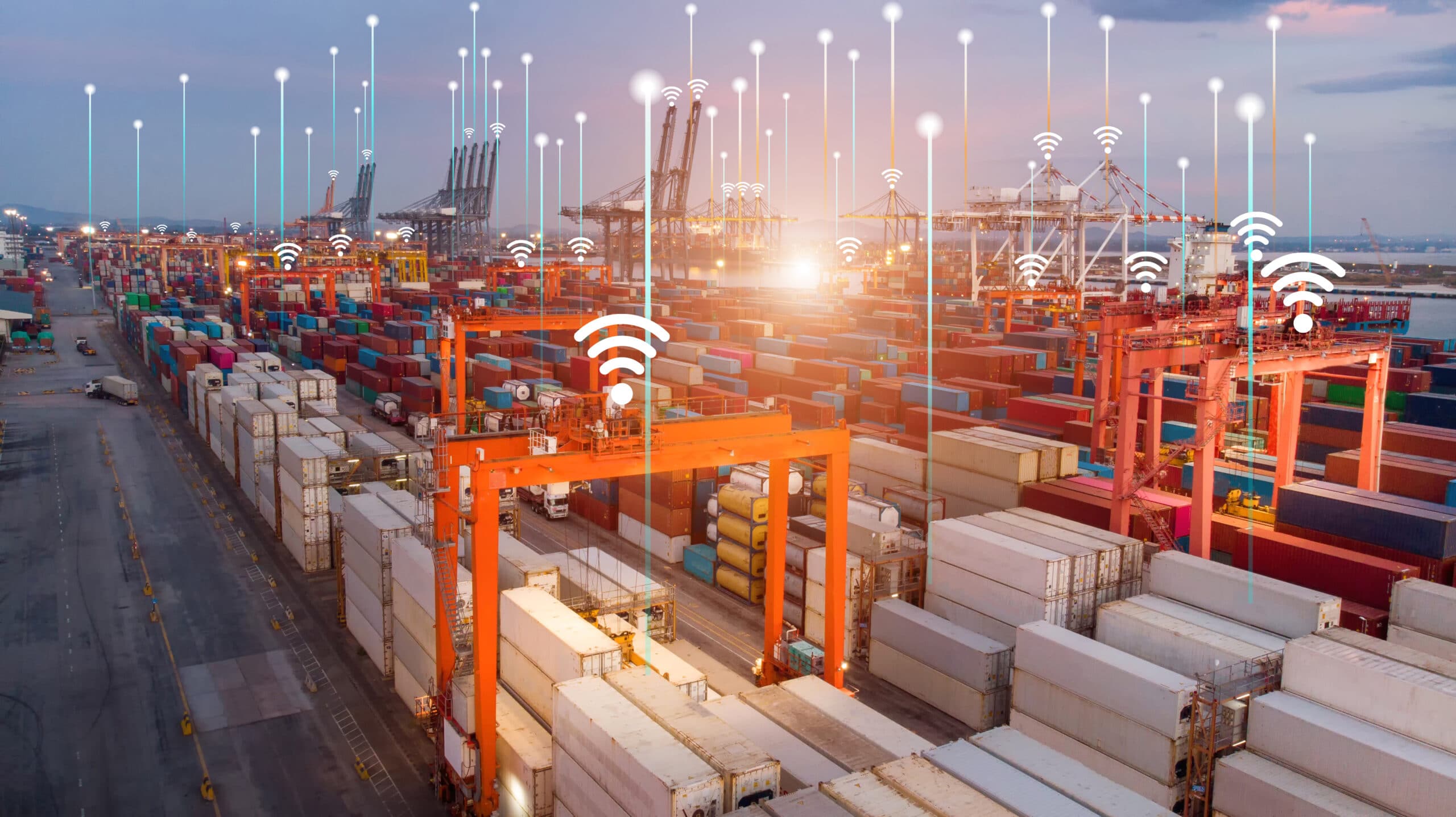
Additionally, digitalization is transforming cargo handling through real-time tracking and automated documentation. Indeed, the ability to monitor your sea freight china by air status in real-time provides businesses with the agility needed to respond to market fluctuations instantly.
Consequently, staying informed about these logistics trends is essential for maintaining a competitive edge. Industry benchmarks suggest that companies adopting integrated logistics software see a 10 percent reduction in overall administrative costs.
Final Thoughts on Shipping from China
To summarize, the choice between sea freight china by air depends on a careful analysis of your specific business needs and market conditions. While sea freight offers unmatched cost savings for large volumes, air freight remains the gold standard for speed and reliability.
Furthermore, integrating hybrid solutions and staying updated on market trends can provide additional opportunities for cost optimization. By partnering with an experienced freight forwarder, you can navigate the complexities of international trade with confidence and ensure your cargo reaches its destination safely and on time.
Ready to streamline your logistics?
Optimizing your supply chain starts with choosing the right partner for your sea freight china by air requirements. Contact China World Cargo today to receive a customized quote and expert guidance on your next shipment. Visit our website to learn more about our global logistics services and how we can streamline your import process from China.
Request Quote