

FCL Shipping China with Tracking Mexico: Your Complete 2025 Guide
Navigating the complexities of international trade requires a reliable partner and a clear strategy for logistics. Businesses seeking fcl shipping china with tracking mexico often struggle with port congestion and regulatory hurdles. China World Cargo offers professional solutions to ensure your goods arrive safely and on time. This guide explores everything you need to know about Full Container Load services to Mexico.
Understanding FCL Shipping China with Tracking Mexico
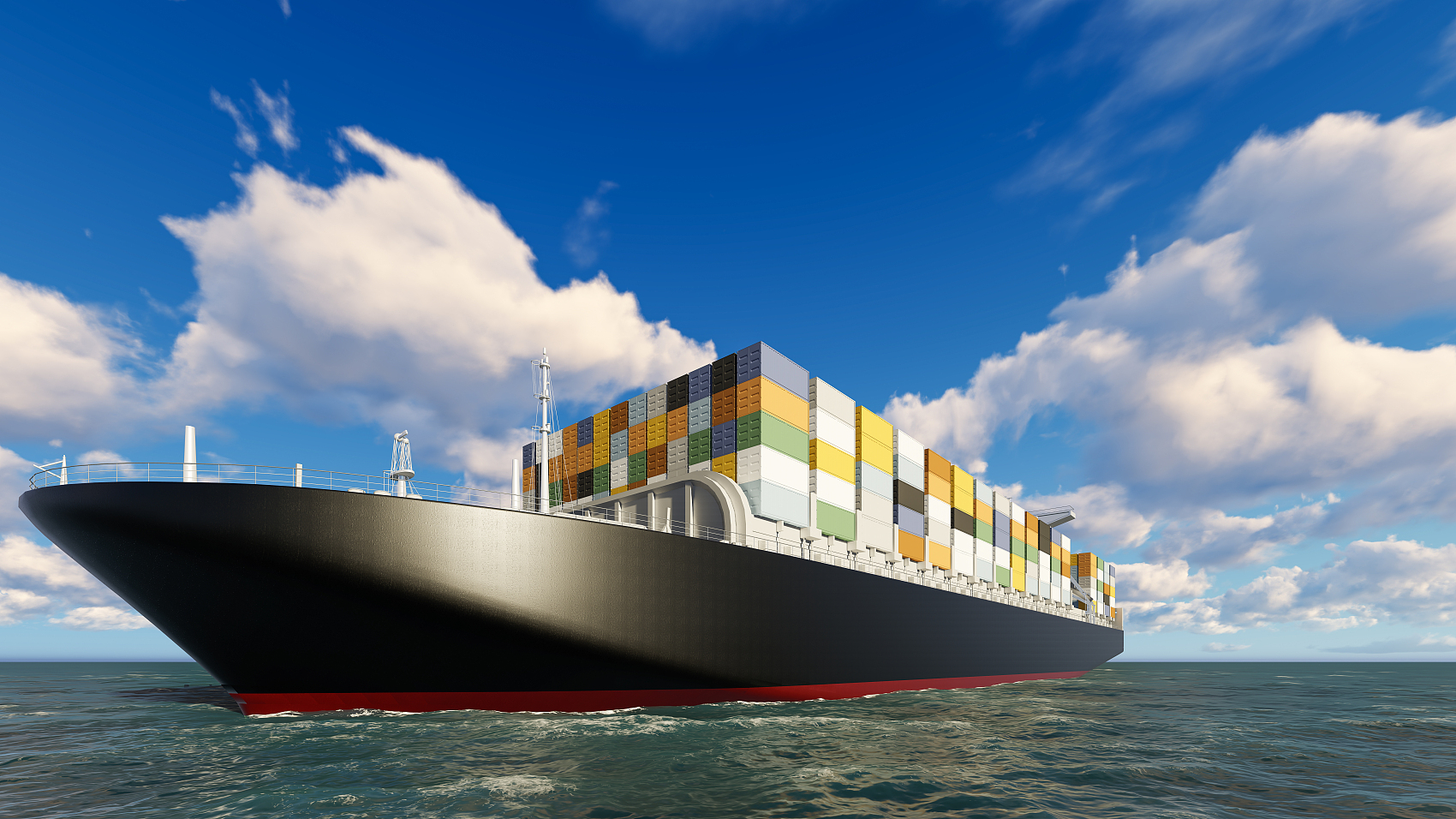
Full Container Load (FCL) shipping represents the gold standard for businesses moving significant volumes of goods across the Pacific. Choosing sea freight allows you to occupy an entire container, which minimizes handling and reduces the risk of damage. This method is particularly efficient for high-volume importers in Mexico City, Guadalajara, and Monterrey.
Moreover, tracking technology has revolutionized how companies manage their supply chains today. Real-time visibility allows you to monitor your cargo from the moment it leaves the factory in Shenzhen until it reaches the yard in Manzanillo. Consequently, you can provide accurate delivery estimates to your customers and manage inventory levels with much higher precision.
Additionally, FCL shipments are generally faster than Less than Container Load (LCL) options because they avoid the consolidation process. When you book a full container, the vessel carries your goods directly from the port of loading to the port of discharge. As a result, you save several days that would otherwise be spent sorting and packing multiple shipments into a single unit.
How Does FCL Shipping Compare to Other Shipping Options?
Evaluating different transport modes is essential for optimizing your logistics budget and meeting deadlines. While FCL is the most common choice for bulk goods, express service might be necessary for urgent documents or small prototypes. Each method offers unique advantages depending on the weight, volume, and urgency of your specific cargo.
Furthermore, air transport provides the fastest transit times but comes at a significantly higher price point. If you are moving heavy machinery or large quantities of consumer electronics, the cost of air freight can quickly become prohibitive. In contrast, ocean freight offers a much more sustainable cost-per-unit for large-scale operations.
Alternatively, some businesses consider hybrid solutions to balance speed and expense. However, for the China-Mexico route, the primary choice remains between sea and air due to the geographical distance. The following table provides a clear comparison of the most viable shipping methods for this specific trade lane.
| Shipping Method | Cost Range | Transit Time | Best For |
|---|---|---|---|
| FCL Sea Freight | $2,500 – $4,800 | 22 – 35 Days | Large inventory and bulk goods |
| LCL Sea Freight | $70 – $140/CBM | 30 – 45 Days | Shipments under 15 CBM |
| Air Freight | $4.50 – $9.00/kg | 4 – 7 Days | Urgent or high-value items |
| Express Courier | $8.00 – $15.00/kg | 3 – 5 Days | Samples and small parcels |

Key Ports and Transit Times for Mexico
Selecting the right port of entry is a critical decision that impacts your total transit time and inland transportation costs. Most shipments from China to North America destinations like Mexico arrive at Pacific coast ports. Manzanillo and Lazaro Cardenas are the two busiest hubs, handling the majority of containerized traffic from Asia.
Specifically, Manzanillo serves as the primary gateway for goods destined for central Mexico. Therefore, choosing this port often reduces the time required for trucking to major industrial zones. Meanwhile, Lazaro Cardenas offers modern infrastructure and is frequently less congested than Manzanillo during peak shipping seasons.
Indeed, transit times can vary based on the specific departure port in China. Shipments from Shenzhen or Guangzhou typically arrive a few days faster than those departing from northern ports like Qingdao or Tianjin. On average, you should expect a sea transit time of 22 to 28 days for direct routes to the Mexican Pacific coast.
Tracking Your Shipment: Technologies and Methods
Reliable tracking is no longer a luxury but a fundamental requirement for modern international logistics. By utilizing advanced container tracking systems, you can receive automated updates regarding vessel departures, arrivals, and customs status. This transparency is vital for coordinating with your door to door delivery providers in Mexico.
Furthermore, many carriers now offer GPS-enabled devices that provide real-time location data and environmental monitoring. These sensors can alert you if a container is opened unexpectedly or if temperature sensitive cargo exceeds its threshold. Consequently, you can take immediate action to protect your investment and maintain product quality.
Additionally, integrating tracking data into your own Enterprise Resource Planning (ERP) system can streamline operations. Many freight forwarders provide API access that feeds shipment status directly into your management software. Without a doubt, this automation reduces manual data entry and minimizes the risk of human error in your supply chain.
Customs Brokerage and Import Regulations in Mexico
Navigating Mexican customs requires a deep understanding of local laws and specific documentation requirements. Every importer must be registered in the Padron de Importadores to legally bring goods into the country. Working with a professional customs brokerage service is essential to avoid costly delays and fines at the border.
Moreover, you must ensure that your products comply with Official Mexican Standards, known as NOMs. These regulations cover safety, labeling, and quality requirements for a wide range of consumer goods. If your documentation is incomplete or incorrect, customs officials may hold your container for an extended period, leading to significant demurrage charges.
Therefore, preparing your commercial invoice, packing list, and Bill of Lading with absolute accuracy is paramount. In addition, you should verify if your products qualify for any duty preferences under existing trade agreements. Proper classification of goods using the Harmonized System (HS) code is the foundation of a successful customs entry process.
Real Case Studies: China to Mexico FCL Shipments
Examining real-world examples helps importers understand the practicalities and costs associated with fcl shipping china with tracking mexico. These cases reflect typical scenarios encountered by businesses in the current market environment. Please note that rates are based on Q4 2024 and early 2025 data and are subject to change.
Case Study 1: Electronics from Shenzhen to Manzanillo. A technology company imported 22 CBM of consumer electronics using a 40GP container. The shipment departed from Shenzhen and arrived in Manzanillo after 26 days of sea transit. Total landed cost, including ocean freight and local Mexican charges, amounted to approximately $5,450. The use of real-time tracking allowed the client to schedule inland transport three days before the vessel docked.
Case Study 2: Industrial Machinery from Shanghai to Veracruz. A manufacturing plant required heavy equipment moved via a 20GP container. Because Veracruz is on the Gulf coast, the vessel traveled through the Panama Canal, resulting in a 38-day transit time. The total cost reached $6,100 due to the canal transit fees and longer distance. Despite the longer duration, the FCL method ensured the machinery remained undisturbed throughout the journey.
Case Study 1: Electronics Shipment
Route: Shenzhen, China to Manzanillo, Mexico
Cargo: Consumer Electronics, 22 CBM, 8,500 kg
Container: 40GP
Carrier: MSC
Ocean Freight: $3,800
Customs and Duties: $1,200
Total Transit Time: 31 Days (Door-to-Door)
Case Study 2: Industrial Machinery
Route: Shanghai, China to Veracruz, Mexico
Cargo: Industrial Lathe, 15 CBM, 12,000 kg
Container: 20GP
Carrier: COSCO
Ocean Freight: $4,200
Customs Clearance: 4 Days
Total Transit Time: 45 Days (Door-to-Door)
Which Option Should You Choose? Decision Framework
Determining the best shipping strategy depends on several factors including budget, volume, and the nature of your goods. If your priority is cost-efficiency for a large inventory, FCL is almost always the superior choice. However, if you are testing a new product with low volume, LCL might be a more sensible starting point.
Consider the following criteria when making your decision. For shipments exceeding 15 CBM, the cost of a full container often becomes cheaper than paying per cubic meter for LCL. Additionally, if your cargo is fragile or high-value, the reduced handling of FCL provides an extra layer of security that justifies the investment.
Speed is another critical factor in your decision-making process. If your supply chain can accommodate a 30-day lead time, sea freight offers the best ROI. In contrast, if you are facing a stock-out or a production line stoppage, the high cost of air freight becomes a necessary expense to protect your business reputation.
Market Intelligence and Trends for 2025
The shipping industry continues to evolve as we move into 2025, with several trends impacting the China-Mexico route. Freight rates have stabilized after the volatility seen in previous years, but seasonal fluctuations remain a factor. For example, rates typically spike in the weeks leading up to the Chinese New Year and during the peak season from August to October.
Furthermore, environmental regulations are pushing carriers to adopt greener technologies and slower steaming practices. While this is beneficial for the planet, it can occasionally lead to slightly longer transit times. Importers should factor in an extra 2-3 days of buffer time when planning their inventory cycles.
In addition, digital transformation is making fcl shipping china with tracking mexico more accessible for small and medium enterprises. Online booking platforms and automated documentation tools are reducing the administrative burden of international trade. Staying informed about these technological shifts will help you maintain a competitive edge in the Mexican market.
Final Thoughts on FCL Shipping to Mexico
Successfully managing fcl shipping china with tracking mexico requires a combination of the right shipping method, reliable tracking, and expert customs knowledge. By choosing FCL, you benefit from lower unit costs and increased cargo security. Transitioning to a data-driven logistics approach will allow you to navigate the complexities of the Pacific trade route with confidence.
Note: Freight rates are subject to change based on fuel costs, carrier capacity, and seasonal demand. Contact us for a current quote tailored to your specific shipment.
Ready to streamline your logistics?
Streamline your supply chain today with professional fcl shipping china with tracking mexico. Our team provides end to end support to ensure your cargo reaches its destination efficiently. Visit our website to request a personalized quote and experience the difference of expert logistics management. Send Inquiry: Visit chinaworldcargo.com
Request Quote