
China to Canada Import Logistics Local Warehouse Solutions 2026
Navigating the complexities of China to Canada import logistics local warehouse integration is essential for modern e-commerce success. Business owners often struggle with rising freight costs and delayed delivery times in the competitive 2026 market. By partnering with China World Cargo, you can streamline your supply chain and ensure your goods reach Canadian customers efficiently. This comprehensive guide explores how local warehousing transforms international shipping from a bottleneck into a competitive advantage.
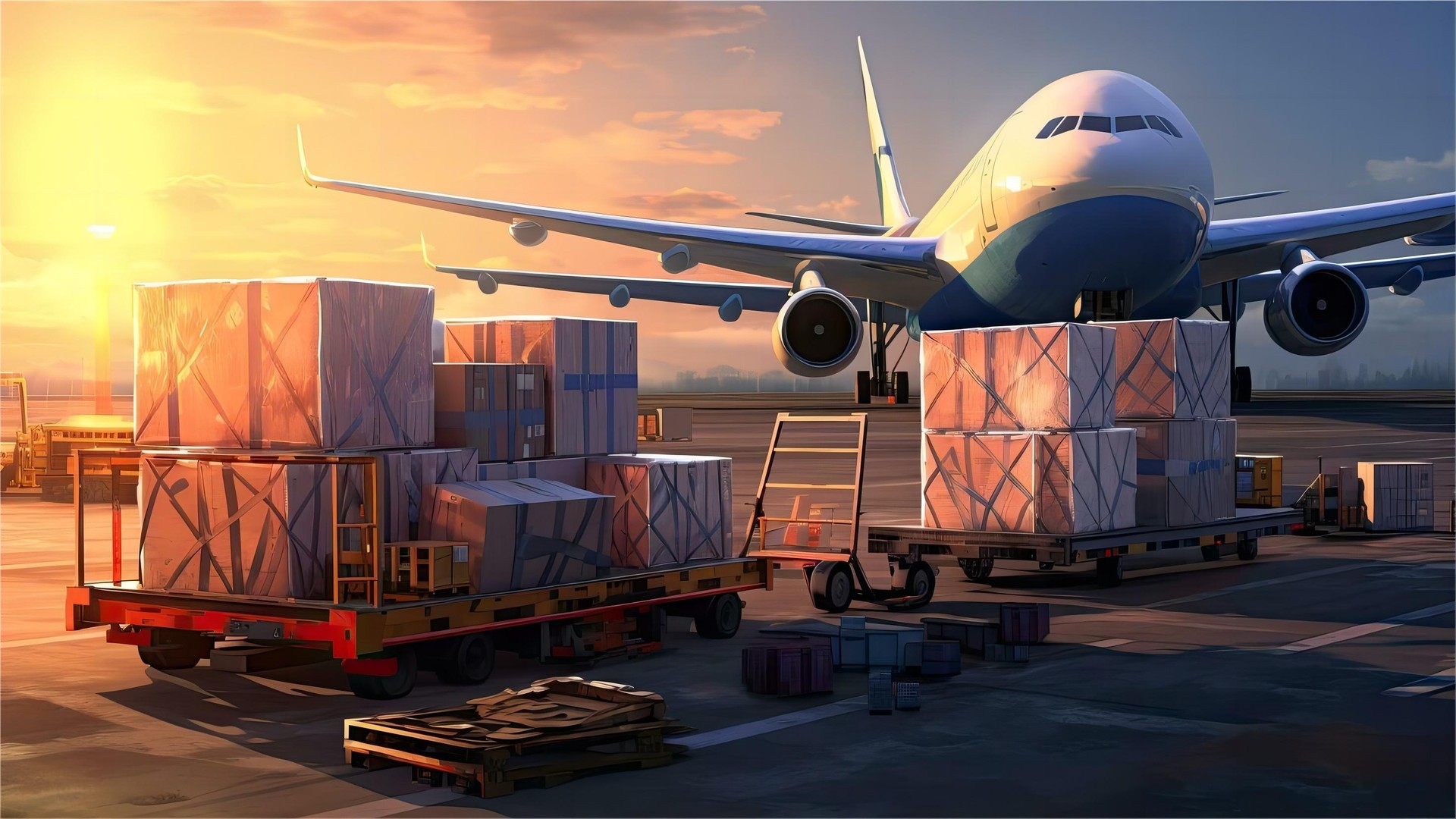
Why Choose China to Canada Import Logistics Local Warehouse Models?
Implementing a local warehouse strategy significantly reduces the transit time for the final mile of delivery. Instead of waiting weeks for individual parcels to cross the Pacific, you can ship bulk inventory to a Canadian hub. Consequently, your customers receive their orders in days rather than weeks, which drastically improves satisfaction rates.
Moreover, localized storage helps businesses mitigate the risks associated with global supply chain disruptions. Having stock already on Canadian soil ensures that your sales continue even if international shipping lanes face temporary congestion. Therefore, this proactive approach serves as a vital buffer against market volatility in 2026.
Additionally, bulk shipping to a central facility allows you to leverage more economical freight options. By consolidating smaller orders into a single large shipment, you can utilize sea freight to lower your per-unit landed cost. This strategy is particularly effective for heavy or bulky items that would be prohibitively expensive to ship via air.
Understanding the Primary Freight Options for Canadian Imports
Selecting the right transportation mode is the first step in optimizing your import logistics. Most businesses choose between ocean, air, and express services based on their specific budget and timeline requirements. Each method offers distinct advantages depending on the volume and urgency of your cargo.
Furthermore, the choice between Full Container Load (FCL) and Less than Container Load (LCL) depends on your total inventory volume. FCL is generally faster and more secure for large shipments, while LCL provides a cost-effective entry point for smaller businesses. In addition, you must consider the proximity of the destination port to your chosen local warehouse.
| Method | Transit Time | Cost Level | Best For |
|---|---|---|---|
| Sea Freight | 18-35 Days | Low | Bulk Inventory |
| Air Freight | 5-9 Days | High | High-Value Goods |
| Express Service | 3-5 Days | Premium | Urgent Samples |
| Rail (via USA) | 25-30 Days | Medium | Mid-West Delivery |
How Does Local Warehousing Compare to Other Shipping Options?
Comparing local warehousing to direct-to-consumer shipping reveals significant differences in operational efficiency. Direct shipping from China often involves high individual postage costs and complex customs handling for every single package. On the other hand, a local warehouse allows for bulk clearance, which simplifies the process and reduces administrative overhead.
Specifically, while sea freight costs $2,500-$3,800 for a 40HQ container, shipping the same volume via individual air parcels could cost ten times as much. Although the initial investment in warehouse space is higher, the long-term savings on shipping and the ability to offer rapid delivery provide a better return on investment. Consequently, most scaling businesses transition to a localized model as their volume increases.
| Strategy | Delivery Speed | Scalability | Unit Cost |
|---|---|---|---|
| Local Warehouse | 1-3 Days | High | Lowest |
| Direct Air Mail | 10-20 Days | Low | High |
| Express Direct | 3-7 Days | Medium | Highest |
| Drop-shipping | 15-30 Days | Limited | Variable |

Strategic Decision Framework: Which Option Should You Choose?
Budget-First Approach
If your primary goal is to minimize expenses, sea freight combined with a suburban local warehouse is the ideal choice. This combination offers the lowest storage and transportation rates. However, you must plan your inventory cycles at least two months in advance to account for longer sea transit.
Speed and Reliability Priority
For businesses dealing in high-demand or seasonal items, air freight is the superior option. While more expensive, it ensures that your local warehouse is restocked within a week. This agility allows you to respond quickly to market trends and avoid stockouts during peak shopping seasons.
Cargo Type Considerations
Fragile or perishable goods require specialized logistics handling and climate-controlled warehousing. In these cases, choosing a logistics provider with expertise in door to door service is critical. They can manage the specialized environment required to maintain product integrity from the factory to the Canadian consumer.
The Critical Role of Customs and Documentation
Navigating Canadian customs requires meticulous attention to detail and accurate documentation. Every shipment must include a commercial invoice, packing list, and a bill of lading to avoid costly delays at the port of entry. Furthermore, understanding the specific tariff classifications for your products can help you minimize duties and taxes.
Indeed, many successful importers utilize professional customs brokerage services to handle these complexities. A broker ensures that all paperwork complies with the Canada Border Services Agency (CBSA) regulations. Consequently, this reduces the risk of audits, fines, or cargo seizures that could derail your logistics schedule.
| Document | Purpose | Required For | Issuer |
|---|---|---|---|
| Commercial Invoice | Value Declaration | All Shipments | Seller |
| Packing List | Cargo Details | All Shipments | Shipper |
| Bill of Lading | Title of Goods | Sea/Rail | Carrier |
| Certificate of Origin | Duty Calculation | Preferential Rates | Manufacturer |
Optimizing Last-Mile Delivery from Your Canadian Warehouse
Once your goods arrive at the local facility, the focus shifts to efficient last-mile distribution. Choosing a warehouse location near major population centers like Toronto, Vancouver, or Montreal can significantly lower domestic shipping costs. For instance, a warehouse in Ontario can reach over 50 percent of the Canadian population within a single day.
Additionally, integrating your warehouse management system (WMS) with your sales platform is vital for real-time inventory tracking. This connectivity ensures that orders are picked, packed, and shipped automatically as soon as a customer makes a purchase. Meanwhile, choosing the right local courier partners will balance speed and cost for the final delivery leg.

Realistic Case Studies for China to Canada Logistics
Case Study 1: Electronics Distribution to Toronto. Route: Shenzhen to Toronto. Cargo: Consumer Electronics, 12 CBM, 3,500 kg. Container: LCL. Shipping Details: Carrier: COSCO. Port of Loading: Shenzhen. Port of Discharge: Toronto (via rail from Vancouver). Cost Breakdown: Ocean Freight: $1,450. Origin Charges: $350. Destination Charges: $550. Customs and Duties: $1,200. Total Landed Cost: $3,550. Timeline: Booking to Loading: 4 days. Sea Transit: 22 days. Customs Clearance: 3 days. Total Door-to-Door: 29 days. Key Insight: Using LCL saved the client 40 percent compared to air freight while maintaining a steady inventory flow for their local warehouse.
Case Study 2: Home Decor Peak Season Restock. Route: Ningbo to Vancouver. Cargo: Wooden Furniture, 68 CBM, 12,000 kg. Container: 40HQ. Shipping Details: Carrier: Maersk. Port of Loading: Ningbo. Port of Discharge: Vancouver. Route Type: Direct. Cost Breakdown: Ocean Freight: $3,800. Origin Charges: $450. Destination Charges: $600. Customs and Duties: $2,100. Total Landed Cost: $6,950. Timeline: Booking to Loading: 6 days. Sea Transit: 16 days. Customs Clearance: 2 days. Total Door-to-Door: 24 days. Key Insight: Direct shipping to Vancouver avoided rail delays, allowing the client to stock their local warehouse just before the Q4 holiday rush. Based on early 2026 market rates.
Alternative Strategies and Hybrid Logistics Solutions
Hybrid solutions, such as sea-air combinations, offer a middle ground between cost and speed. You might ship goods via sea to a hub like Dubai or Singapore and then fly them to Canada to bypass congested ports. This approach is particularly useful when you need to replenish stock faster than sea freight allows but cannot justify the full cost of air freight.
Another effective strategy involves using bonded warehouses in Canada. These facilities allow you to store goods without paying duties and taxes until the items are actually sold or removed from the warehouse. Consequently, this significantly improves your cash flow management, especially for high-value inventory. Furthermore, for those selling on platforms like Amazon, specialized Amazon FBA logistics can streamline the transition from the container to the fulfillment center.
Mastering Your Canadian Import Strategy
Successfully managing China to Canada import logistics local warehouse operations requires a balance of planning, carrier selection, and local expertise. By moving from direct shipping to a localized distribution model, you can reduce costs and provide the rapid delivery that Canadian consumers expect. Remember that market conditions in 2026 demand agility and proactive inventory management.
To summarize, whether you choose sea freight for bulk replenishment or air freight for urgent restocks, the integration of a local warehouse is the key to long-term growth. Partnering with an experienced freight forwarder like China World Cargo will help you navigate the complexities of customs and international transit. Start optimizing your logistics today to secure a competitive edge in the Canadian market.
Start Your Shipment
Streamline your 2026 supply chain with expert China to Canada import logistics local warehouse solutions. Our team provides end-to-end support to ensure your cargo arrives safely and on time. Contact us today for a personalized quote and optimize your international shipping strategy.
Request Quote