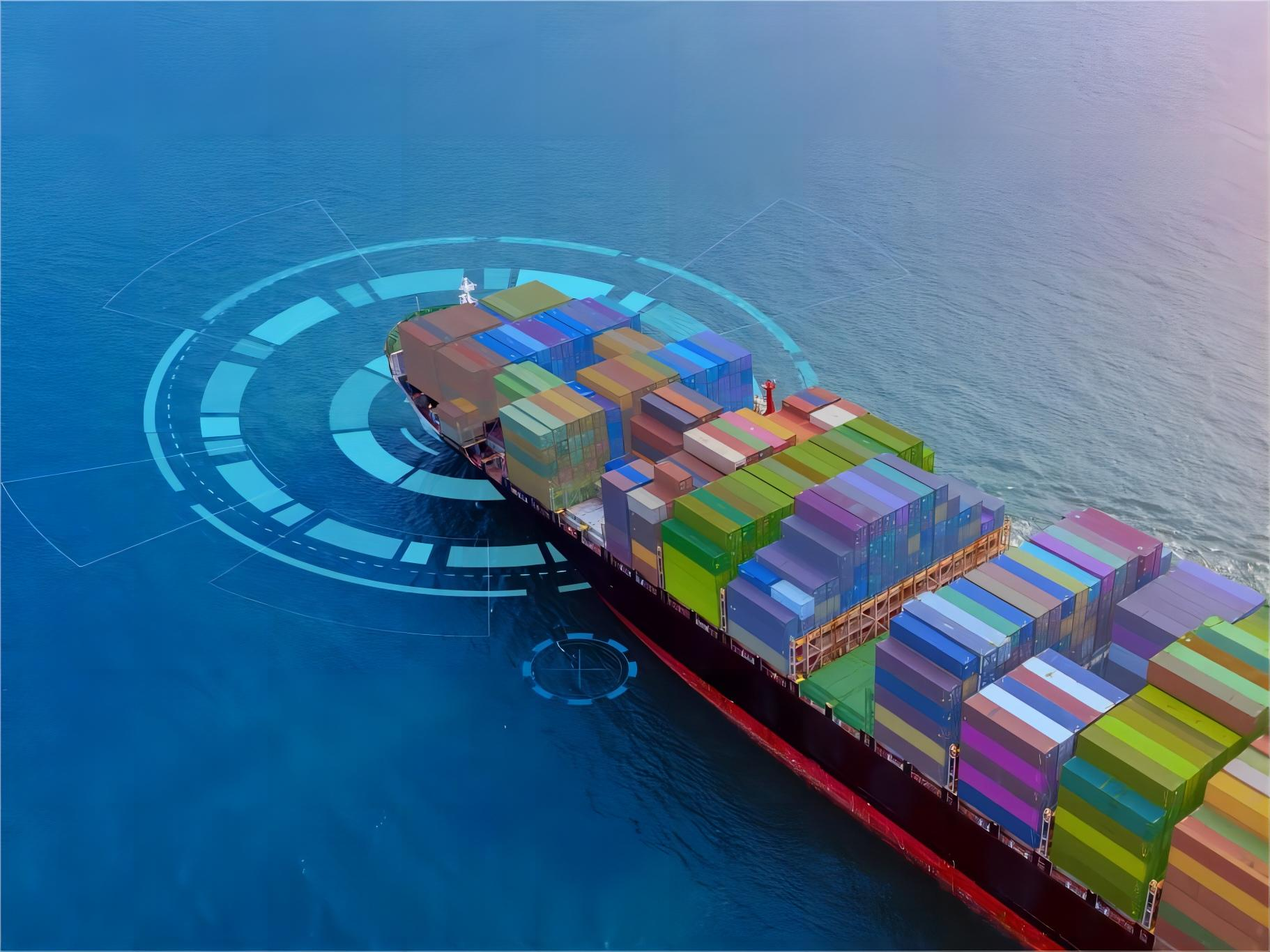

China to Australia Container Freight International Shipping: 2026 Guide
“Managing china to australia container freight international shipping effectively requires a deep understanding of modern logistics and evolving trade regulations. By collaborating with a dedicated expert like China World Cargo, businesses can navigate the complexities of trans-Pacific trade with confidence. This comprehensive guide provides essential insights into 2026 market trends and cost-saving strategies to optimize your global supply chain operations.”
How to Choose Between FCL and LCL Shipping?
❖Determining the most efficient method for your cargo depends heavily on the total volume and your specific delivery timeline requirements. Full Container Load (FCL) offers exclusivity and security for large shipments by dedicating an entire container to your goods. Consequently, this method often reduces handling risks and speeds up the overall transit process for high-volume traders.
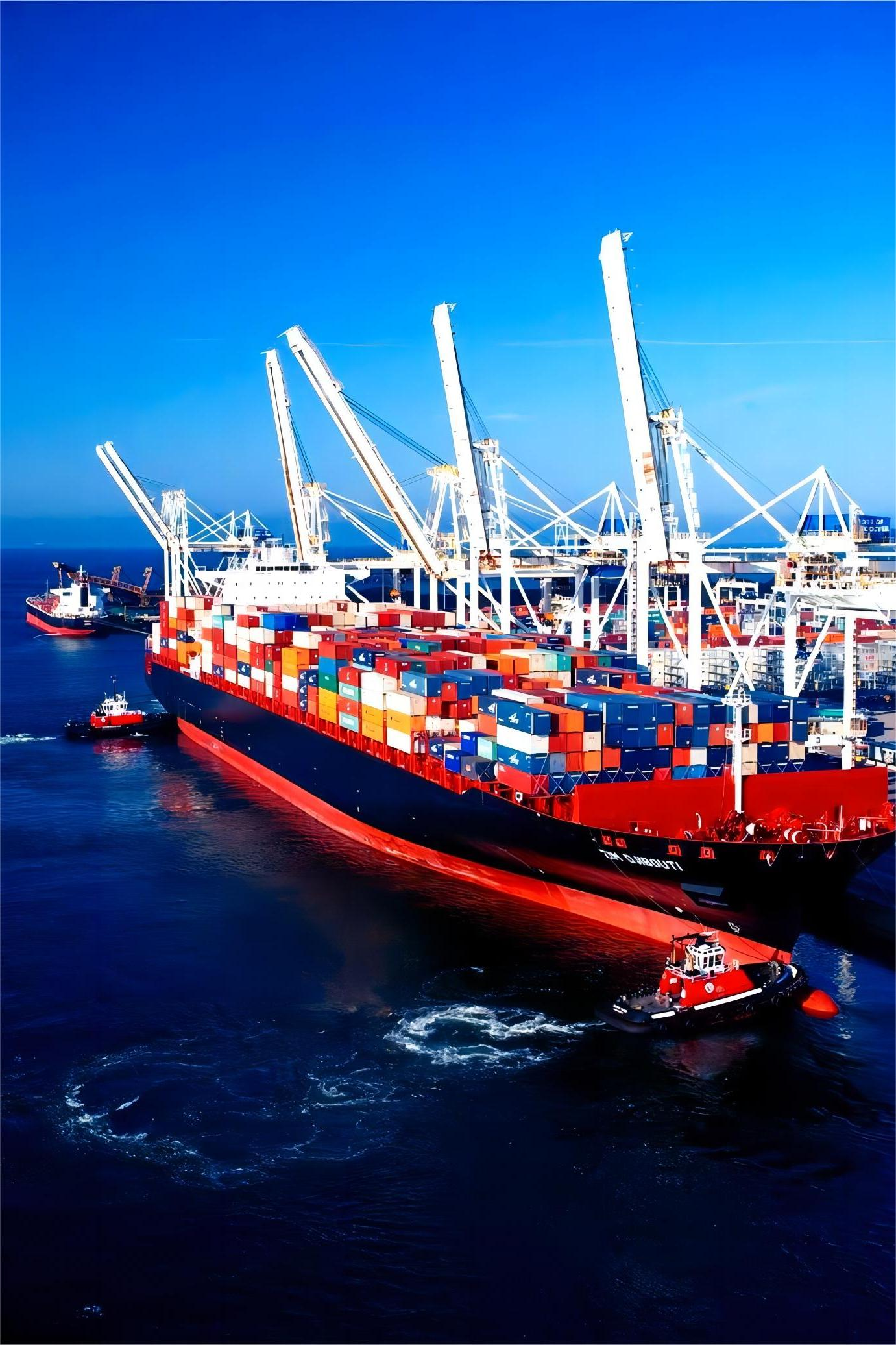
On the other hand, Less than Container Load (LCL) provides a flexible solution for smaller shipments that do not fill a standard container. This approach allows multiple importers to share space, which significantly lowers the individual cost for those moving fewer than 15 cubic meters. However, LCL shipments may experience slightly longer transit times due to the consolidation and deconsolidation processes at the ports.
Moreover, businesses must evaluate the trade-off between cost and speed when selecting their shipping container dimensions and service types. Choosing sea freight for your LCL needs can be highly economical if your schedule allows for a few extra days of processing. Ultimately, the decision should align with your budget constraints and the urgency of your inventory replenishment cycle.
What Are the Current Shipping Costs from China to Australia in 2026?
❖Current market data suggests that freight rates have stabilized in early 2026 following the fluctuations seen in previous years. For instance, a standard 20GP container from Shanghai to Sydney typically ranges between 850 and 1,250 US dollars depending on the carrier. Meanwhile, larger 40HQ containers often command rates between 1,500 and 2,100 US dollars during the standard shipping season.
Seasonal demand plays a critical role in pricing, with rates typically increasing by 15 to 25 percent during the peak period from August to October. Furthermore, fuel surcharges and port congestion fees can influence the final invoice amount you receive from your freight forwarder China to Australia. Indeed, staying updated on these variables is essential for maintaining accurate landed cost calculations for your imported products.
Note: Freight rates are subject to change based on fuel costs, carrier capacity, and seasonal demand. Contact us for a current quote tailored to your specific shipment.
| Route (From China) | 20GP Container | 40HQ Container | LCL (per CBM) |
|---|---|---|---|
| Shanghai to Sydney | $850 – $1,100 | $1,500 – $1,850 | $45 – $65 |
| Shenzhen to Melbourne | $900 – $1,200 | $1,600 – $2,000 | $50 – $70 |
| Ningbo to Brisbane | $880 – $1,150 | $1,550 – $1,900 | $48 – $68 |
| Qingdao to Fremantle | $950 – $1,300 | $1,700 – $2,200 | $55 – $75 |
How Does Sea Freight Compare to Other Shipping Options?
❖Analyzing the available transport modes is vital for optimizing your china to australia container freight international shipping strategy. While ocean transport remains the backbone of global trade, air freight offers an unmatched advantage in terms of delivery speed. Specifically, air cargo can reach major Australian cities in 3 to 7 days, whereas sea routes require at least two weeks.
Nevertheless, the cost difference between these methods is substantial and often dictates the final choice for most commercial importers. For example, shipping a ton of electronics via air might cost five times more than using a sea container. Therefore, air transport is generally reserved for high-value items, perishables, or urgent stock shortages that demand immediate resolution.
Additionally, it is important to note that rail freight is not a viable option for this specific international route due to geographical barriers. Instead, some businesses utilize hybrid sea-air solutions to balance cost and speed, though these are less common for the China-Australia corridor. In contrast, express service providers offer a premium door-to-door experience for very small parcels and documents.
| Method | Cost Range | Transit Time | Best For |
|---|---|---|---|
| Sea Freight (FCL) | Low ($1k-$2k) | 12 – 18 Days | Bulk Goods |
| Sea Freight (LCL) | Medium ($50/CBM) | 18 – 25 Days | Small Batches |
| Air Freight | High ($4-$8/kg) | 3 – 7 Days | Urgent Cargo |
| Express Service | Very High | 2 – 5 Days | E-commerce |
Which Option Should You Choose for Your Australia Shipping?
❖Budget-conscious importers should almost always prioritize sea freight, especially when dealing with volumes exceeding two cubic meters. If your priority is minimizing expenses, FCL shipping provides the lowest cost per unit for large-scale inventory movements. Conversely, if you are testing a new product market with low volume, LCL allows you to manage risk without committing to a full container.
Speed-oriented businesses must evaluate whether the higher cost of air transport justifies the potential increase in sales or customer satisfaction. For instance, fashion retailers often use air freight to launch new collections before competitors, ensuring they capture peak market interest. Without a doubt, the choice depends on your specific margin requirements and the nature of the goods being transported.
Cargo type also influences the decision, as hazardous materials or oversized machinery may require specialized door to door sea freight handling. Large industrial equipment simply cannot fit on standard cargo planes, making ocean transport the only feasible method. For this reason, always consult with your logistics partner to determine the technical constraints of each shipping mode.
What Is the Typical Transit Time for Container Freight?
❖Transit times from China to Australia are among the fastest in the international shipping industry due to the relatively close proximity of the two regions. Ships departing from major hubs like Shenzhen or Guangzhou can reach Sydney or Brisbane in as little as 12 to 14 days. However, vessels leaving from northern ports such as Tianjin or Dalian may take 18 to 22 days to reach southern Australian destinations.
In addition to the actual time spent at sea, importers must account for several days of port handling and documentation processing. For example, loading the vessel in China typically takes 2 to 4 days, while unloading and customs clearance in Australia can add another 3 to 5 days. Consequently, a realistic door-to-door timeline for sea freight usually spans between 20 and 30 days in total.
Notably, transshipment routes via Singapore or Port Klang can extend the delivery schedule by an additional week compared to direct services. While these routes might offer lower rates, they introduce more opportunities for delays during the transfer process. Therefore, if your schedule is tight, always request a direct service to ensure your international logistics trends 2026 goals are met.
Which Customs Documents Are Required for Australian Imports?
❖Navigating the Australian Border Force requirements is a critical step in ensuring your china to australia container freight international shipping arrives without delay. Every shipment must be accompanied by a commercial invoice, a detailed packing list, and a valid bill of lading. Furthermore, a certificate of origin is essential for taking advantage of the China-Australia Free Trade Agreement (ChAFTA) to reduce or eliminate duties.
Australian quarantine laws are exceptionally strict, particularly regarding wooden packaging materials and organic matter. Because of this, ensuring your pallets are ISPM 15 compliant and accompanied by a fumigation certificate is mandatory for most sea freight shipments. Failure to comply with these biosecurity regulations can result in expensive fines or the mandatory destruction of your cargo at the port.
Professional customs brokerage services can significantly simplify this process by managing all electronic lodgments on your behalf. These experts ensure that your Australian import duties 2026 calculations are accurate and that all tariff classifications are correctly applied. As a result, you can avoid common pitfalls that lead to cargo being held in bond for extended periods.
Realistic Case Studies for China to Australia Shipping
❖Reviewing real-world examples helps importers understand the practical application of different shipping strategies and their associated costs. These scenarios reflect typical market conditions in 2026 and highlight the importance of choosing the right service level for specific cargo types. By examining these cases, you can better estimate your own landed costs and transit expectations.
Case Study 1: Electronics from Shenzhen to Sydney +———————————————————+ | Route: Shenzhen, China to Sydney, Australia | | Cargo: Consumer Electronics, 28 CBM, 14,500 kg | | Container: 20GP Full Container | | | | Shipping Details: | | – Carrier: COSCO | | – Port of Loading: Shenzhen | | – Port of Discharge: Sydney | | – Route Type: Direct | | | | Cost Breakdown: | | – Ocean Freight: $1,150 | | – Origin Charges: $280 | | – Destination Charges: $320 | | – Customs and Duties: $450 | | – Total Landed Cost: $2,200 | | | | Timeline: | | – Booking to Loading: 3 days | | – Sea Transit: 14 days | | – Customs Clearance: 2 days | | – Total Door-to-Door: 19 days | | | | Key Insight: Direct FCL provided the best balance of | | security and speed for high-value electronics. | +———————————————————+
Case Study 2: Furniture from Ningbo to Melbourne +———————————————————+ | Route: Ningbo, China to Melbourne, Australia | | Cargo: Home Furniture, 8 CBM, 2,200 kg | | Container: LCL (Shared) | | | | Shipping Details: | | – Carrier: Major Global Carrier | | – Port of Loading: Ningbo | | – Port of Discharge: Melbourne | | – Route Type: Transshipment via Singapore | | | | Cost Breakdown: | | – Ocean Freight: $640 | | – Origin Charges: $150 | | – Destination Charges: $210 | | – Customs and Duties: $300 | | – Total Landed Cost: $1,300 | | | | Timeline: | | – Booking to Loading: 4 days | | – Sea Transit: 22 days | | – Customs Clearance: 3 days | | – Total Door-to-Door: 29 days | | | | Key Insight: LCL was the most cost-effective choice | | for this volume, despite the longer transit time. | +———————————————————+
How Can You Optimize Your Supply Chain for 2026?
❖Efficiency in 2026 requires a proactive approach to cargo handling procedures and delivery schedule optimization. One effective strategy involves consolidating multiple small orders from different suppliers into a single FCL shipment at a Chinese warehouse. This technique not only reduces total freight costs but also simplifies the customs clearance process upon arrival in Australia.
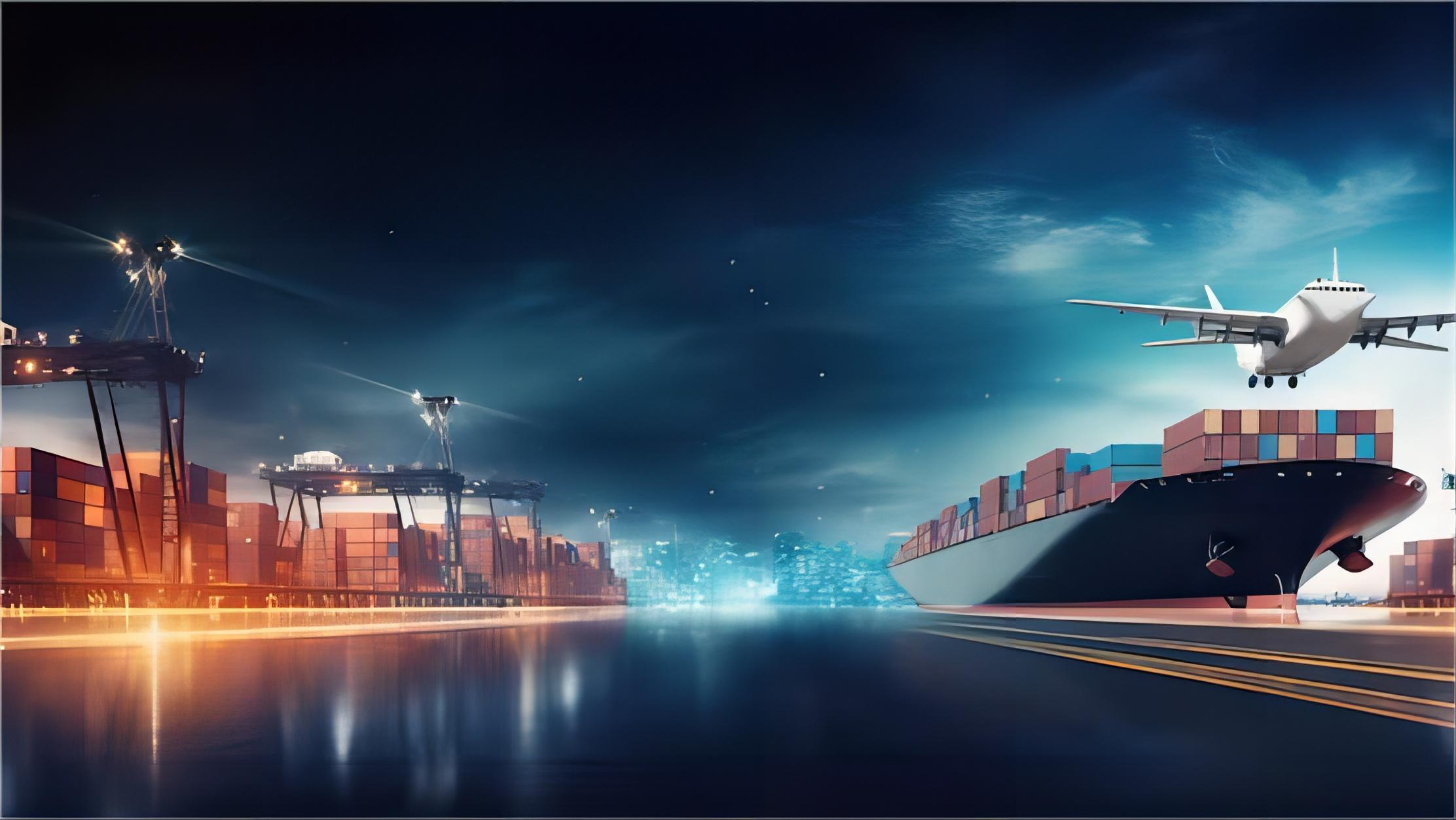
Digital tracking tools have also become indispensable for modern importers who need real-time visibility into their supply chain. By utilizing advanced logistics software, you can monitor the exact location of your container and receive alerts regarding potential port delays. Consequently, you can provide more accurate delivery estimates to your end customers and manage inventory levels more effectively.
Moreover, establishing a long-term relationship with a reliable freight forwarder allows for better negotiation of annual contract rates. These partnerships often provide access to priority space during peak seasons when container availability is limited. Ultimately, a well-optimized supply chain is a significant competitive advantage in the fast-paced Australian retail and industrial markets.
Summary of China to Australia Shipping Strategies
Successfully managing china to australia container freight international shipping involves balancing cost, speed, and regulatory compliance. Whether you choose FCL for its security or LCL for its flexibility, understanding the 2026 market landscape is essential for success. By following the strategies outlined in this guide, you can minimize delays and maximize the efficiency of your import operations.
Remember that choosing the right logistics partner is the most important decision in your shipping journey. With the right support, you can navigate customs and port operations seamlessly, ensuring your goods arrive on time and within budget.
Ready to streamline your logistics?
Ready to streamline your china to australia container freight international shipping? Contact our expert team today to receive a customized quote and expert guidance for your 2026 cargo needs. Visit our inquiry page to get started.
Request Quote