China to Australia Container Freight 2026: Costs and Guide
“Navigating the complexities of international trade requires up-to-date intelligence, especially when planning your china to australia container freight 2026 strategy. As global trade routes evolve, businesses must adapt to changing port dynamics and fuel surcharges to maintain a competitive edge. China World Cargo provides the expertise needed to streamline your logistics from major Chinese hubs to every major Australian port. This guide explores the current market landscape, providing the data you need for successful importing in the coming year.”
What Are the Trends for China to Australia Container Freight 2026?
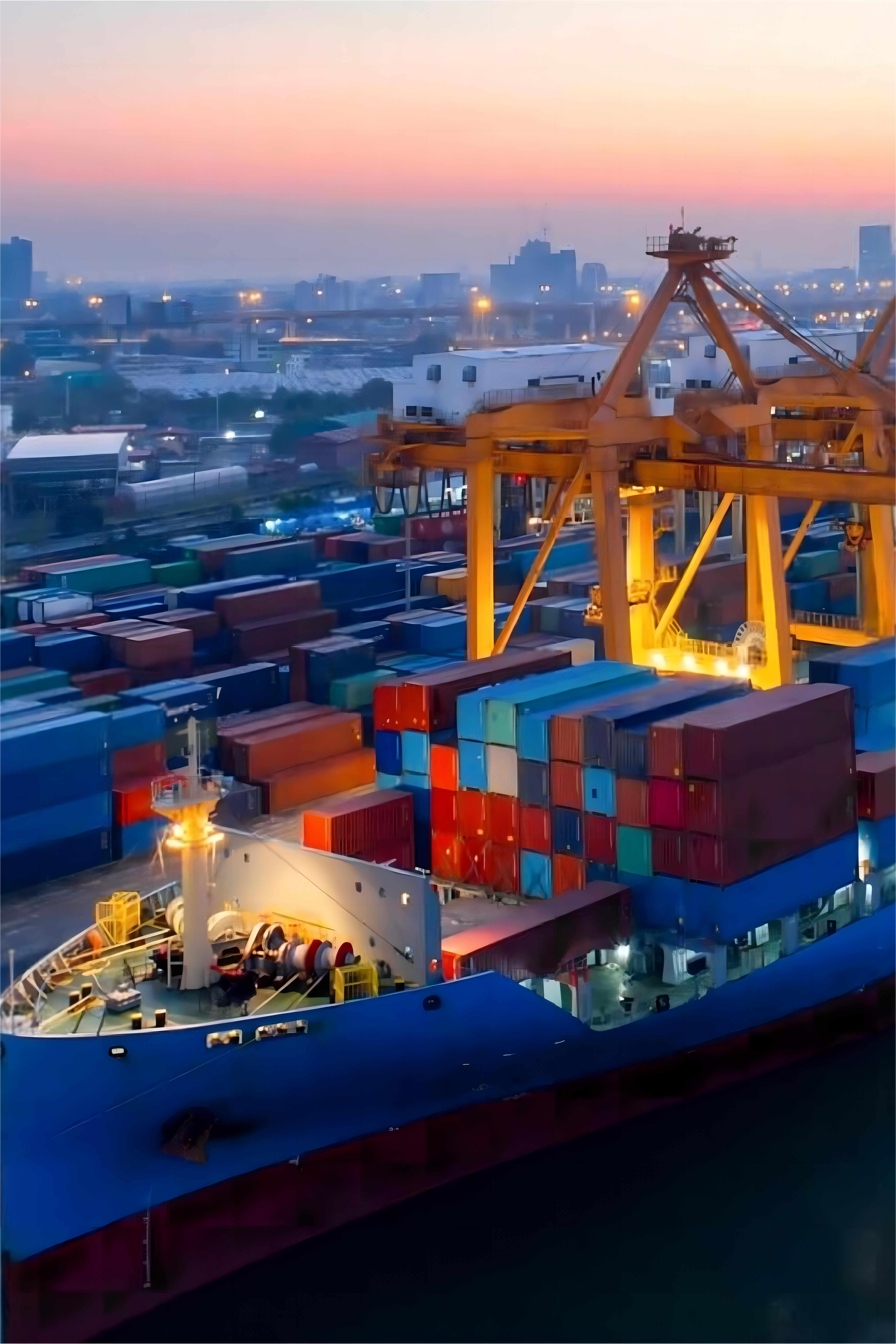
❖Market conditions in early 2026 suggest a period of relative stability compared to previous years. However, the integration of green energy initiatives in maritime shipping is beginning to influence base freight rates across the Pacific. Consequently, shippers are seeing a shift toward more sustainable logistics practices and digital tracking enhancements.
Moreover, the demand for consumer goods in Brisbane and Melbourne continues to drive high-volume traffic from Shenzhen and Ningbo. Additionally, technological advancements in port automation in Australia have slightly reduced the average turnaround time for large vessels. Therefore, companies can expect more predictable delivery schedules if they plan their bookings well in advance.
Infrastructure improvements at major hubs like Port Botany and the Port of Melbourne are also playing a critical role. Meanwhile, the implementation of new trade agreements has simplified some aspects of the import process. Nevertheless, staying informed about seasonal fluctuations remains vital for cost management.
How Does Sea Freight Compare to Other Shipping Options?
❖Choosing the right transport mode is essential for balancing speed and expenditure. While sea freight remains the most cost-effective solution for bulk shipments, other methods offer advantages for specific cargo types. For instance, high-value electronics often benefit from the speed of air freight despite the higher price point.
In contrast, sea freight provides the capacity required for heavy machinery and large-scale retail inventory. To summarize, the decision usually rests on the volume of the cargo and the urgency of the delivery. Below is a detailed comparison of the primary methods available for the China-Australia route in 2026.
| Shipping Method | Cost Range | Transit Time | Best For | Limitations |
|---|---|---|---|---|
| Sea Freight (FCL) | $1,200 – $2,000 | 12-22 Days | Large volumes | Longer transit |
| Sea Freight (LCL) | $50 – $120/CBM | 18-28 Days | Small shipments | Consolidation delay |
| Air Freight | $4.50 – $8.00/kg | 3-7 Days | Urgent goods | High cost |
| Express Service | $7.00 – $12.00/kg | 2-5 Days | Samples/Docs | Weight limits |
Understanding FCL and LCL Options for 2026
❖Full Container Load (FCL) is typically the preferred choice for businesses moving more than 15 cubic meters of goods. Indeed, having an exclusive container reduces the risk of damage and speeds up the loading and unloading process. For smaller shipments, Less than Container Load (LCL) allows multiple importers to share space, making it a budget-friendly alternative.
Furthermore, LCL pricing is usually calculated based on the volume of the cargo in cubic meters. On the other hand, FCL is charged at a flat rate per container regardless of how full it is. Accordingly, calculating the break-even point between LCL and FCL is a necessary step for every logistics manager.
Estimated Costs for China to Australia Container Freight 2026
❖Pricing for ocean transport is influenced by several factors including peak season surcharges and currency adjustments. Based on current market rates, a 20ft container from Shanghai to Sydney typically ranges between $800 and $1,200. Conversely, a 40ft high cube container may cost between $1,400 and $2,000 depending on the specific carrier and service level.
Typical rates as of early 2026 show that prices remain competitive due to increased vessel capacity on the South Pacific routes. In addition, port charges and local handling fees in Australia must be factored into the total landed cost. Without a doubt, requesting a comprehensive quote is the only way to ensure budget accuracy.
Note: Freight rates are subject to change based on fuel costs, carrier capacity, and seasonal demand. Contact us for a current quote tailored to your specific shipment.
| Route | 20GP Container | 40HQ Container | Avg. Transit |
|---|---|---|---|
| Shanghai to Sydney | $900 – $1,150 | 1,500 – $1,850 | 14-16 Days |
| Shenzhen to Melbourne | $850 – $1,100 | $1,400 – $1,750 | 12-15 Days |
| Ningbo to Brisbane | $950 – $1,250 | $1,600 – $1,950 | 16-19 Days |
| Qingdao to Perth | $1,100 – $1,400 | $1,800 – $2,200 | 20-24 Days |
Which Shipping Option Should You Choose?
❖Selecting the optimal strategy depends on your specific business priorities and the nature of your products. If budget priority is your main concern, sea freight FCL is generally the most economical for high-volume traders. However, for speed priority, air freight is the clear winner for time-sensitive inventory or seasonal launches.
Cargo type considerations also play a major role in the selection process. For example, fragile or hazardous materials may require specialized Australia bound handling that only certain sea carriers provide. Additionally, volume thresholds suggest that once you exceed 14 CBM, switching from LCL to a 20GP container often yields better value and security.
Real-World Case Studies for 2026 Shipments
❖Case Study 1: Commercial Furniture Distribution. Route: Foshan, China to Melbourne, Australia. Cargo: Office chairs and desks, 65 CBM. Container: 1 x 40HQ. Shipping Details: Direct service via COSCO from Nansha Port. Ocean Freight: $1,750. Origin Charges: $320. Destination Charges: $450. Customs and Duties: $1,200. Total Landed Cost: $3,720. Timeline: 18 days door-to-door. Key Insight: Booking 3 weeks in advance secured a lower rate before the mid-year peak.
Case Study 2: Boutique Electronics Import. Route: Shenzhen, China to Sydney, Australia. Cargo: Smart home devices, 4 CBM, 800 kg. Container: LCL. Shipping Details: Transshipment via Singapore. Ocean Freight: $280. Origin Charges: $150. Destination Charges: $210. Customs and Duties: $850. Total Landed Cost: $1,490. Timeline: 25 days door-to-door. Key Insight: Utilizing a door to door service simplified the complex local delivery in Sydney.
Case Study 3: Industrial Parts Replacement. Route: Shanghai, China to Perth, Australia. Cargo: Steel valves, 12 CBM. Container: 20GP. Shipping Details: Direct route. Ocean Freight: $1,150. Origin Charges: $280. Destination Charges: $390. Customs and Duties: $600. Total Landed Cost: $2,420. Timeline: 22 days. Key Insight: Direct shipping to Fremantle saved 5 days compared to transshipment through eastern ports.

Navigating Customs and Duties in Australia
❖Importing goods into Australia requires strict adherence to the Department of Home Affairs and Biosecurity regulations. Therefore, hiring a professional customs brokerage service is often the best way to avoid costly delays. Indeed, incorrect documentation can lead to significant storage fees at the wharf.
Australia applies a Goods and Services Tax (GST) of 10% on most imported items. Furthermore, certain products may be subject to additional customs duties depending on their classification under the Harmonized System (HS) codes. Consequently, verify your tariff concessions early in the planning phase to ensure financial compliance.
Final Thoughts on 2026 Shipping Strategies
To summarize, successfully managing china to australia container freight 2026 involves a combination of early planning, choosing the right shipping mode, and staying informed about market trends. Whether you are utilizing FCL for large inventory moves or LCL for smaller batches, understanding the cost drivers is essential.
By focusing on transit times and customs compliance, you can ensure a smooth flow of goods into the Australian market. Remember that the logistics landscape is dynamic, and partnering with a reliable freight forwarder will provide the stability your business needs to thrive in 2026.
Ready to streamline your logistics?
Ready to optimize your supply chain for the coming year? Contact China World Cargo today for a personalized quote on your china to australia container freight 2026 requirements. Visit our website to Send Inquiry and let our experts handle your logistics with precision and care.
Request Quote