

China Golden Week Amazon FBA Shipping to USA: The 2026 Inbound Logistics Guide
Meeting Amazon FC windows demands flawless timing when securing Week Amazon FBA to USA. Discrepancies in carton rules and appointment slots often lead to refused freight after transit is paid. China World Cargo provides end-to-end inbound tracking so FBA shipments clear labeling and dock appointments on schedule. This 2026 guide details FC intake gates and inbound benchmarks for reliable Amazon restocking.

Key Takeaways
Plan for a 14-18 day transit window from Ningbo to Long Beach during peak season periods.
Ensure all FBA cartons meet the 50 lb weight limit and carry accurate FNSKU labeling to avoid FC rejection fees.
Book carrier appointments at least 14 days in advance as dock capacity tightens significantly during Golden Week.
Utilize 40HQ containers at a 68-70 CBM utilization threshold to balance pallet stability and freight cost efficiency.
Submit ISF 10+2 filings at least 24 hours prior to vessel departure to prevent mandatory customs penalties.
Who Is {corridor} Freight Best Suited For?
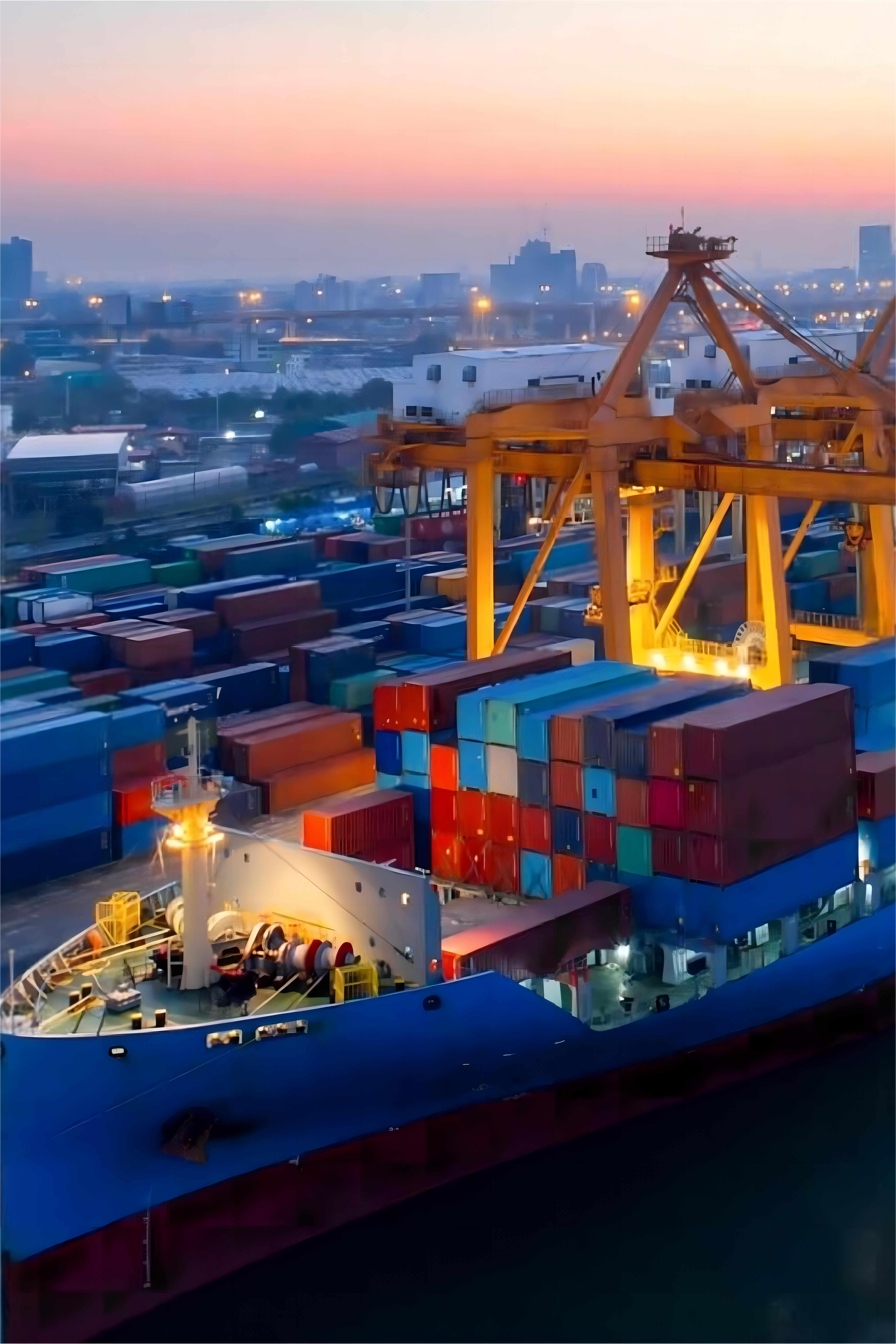
Importers operating high-velocity SKUs on Amazon often face the most significant risks when supply chains hit the Golden Week bottleneck. If your business model relies on just-in-time replenishment to maintain BSR rankings, you require a dedicated shipping program that prioritizes space allocation over spot-market freight rates. Without a structured program, your cargo is subject to the volatility of the general market, where space is frequently reallocated to larger, long-term contractual shippers during the October peak.
Businesses managing multiple FBA warehouse destinations simultaneously often struggle with inconsistent receiving windows and varying local drayage capacities at ports like Long Beach. A dedicated program allows for consolidated planning that synchronizes your factory’s output with specific FC appointment availability, reducing the likelihood of detention or storage fees. By shifting from reactive booking to a proactive allocation model, you gain the predictability needed to maintain optimal stock levels despite regional port congestion.
To determine if your business needs a specialized approach, audit your historical inbound defect rates and total landed cost fluctuations during the October/November window. If you have experienced frequent carrier appointment rejections or unexpected storage surcharges, a tailored logistics service is likely necessary to stabilize your operations. Engaging with a provider like China World Cargo ensures that your inbound strategy is aligned with current port throughput and warehouse receiving capabilities.
Field note: Focus on the predictability of your inbound flow rather than just the lowest freight rate.
Common mistake: Waiting until the last minute to book space, which forces shippers into premium spot rates.
Risk alert: Golden Week capacity gaps can lead to 2-week delays in port-to-door transit.
What Is the Optimal Mode Mix for {corridor} Inventory Moves?
Amazon maintains stringent inbound requirements that, if ignored, lead to immediate shipment rejection or expensive manual processing fees at the fulfillment center. Every carton must weigh under 50 pounds unless it contains a single oversized item, and all units require accurate FNSKU labels to ensure immediate scanning upon arrival. During the busy Golden Week period, FC receiving staff have less bandwidth to rectify labeling errors, meaning non-compliant shipments are far more likely to be turned away or moved to a back-of-the-line status.
Carton integrity is equally critical, as poorly packed units often collapse during maritime transit, leading to damaged products that fail receiving inspections. We recommend using double-walled corrugated boxes and ensuring that no individual unit is packed in a way that risks puncture or leakage. When consolidating your cargo, ensure that your packing list perfectly matches the physical contents of the boxes, as discrepancies between your electronic ASN and the physical labels are a primary cause of inbound receiving defects.
To maintain compliance, implement a quality control check at the factory level before the cargo is released to your forwarder. This check should verify that every FNSKU matches the Amazon-provided shipment plan and that the box dimensions are accurately recorded for the carrier’s weight/volume calculations. Utilizing China World Cargo for pre-shipment inspections can help identify these issues before they become costly charges at the destination fulfillment center, saving you significant time and administrative overhead.
| Accessorial Charge | Standard Free Window | Typical USD Band | Trigger Condition |
|---|---|---|---|
| Driver detention | First 2 hours free | $75 – $120 / hour | Dock dwell past free window |
| Border layover surcharge | Same-day clearance | $350 – $600 / night | Secondary exam / bad e-Manifest |
| Liftgate / inside delivery | Dock-to-dock standard | $125 – $250 / service | No commercial loading dock |
| Pallet restrap & re-wrap | Origin inspected | $30 – $60 / pallet | Shift or damaged wrap at cross-dock |
Field note: Always verify your FNSKU against the specific Amazon shipment plan generated for the destination FC.
Common mistake: Overpacking cartons above 50 pounds, which triggers automatic weight-based penalties.
Risk alert: Incorrect labeling can trigger a ‘manual processing’ fee that often exceeds the cost of the original freight.
FCL vs LCL vs Air: Volume and Urgency Decision Rules for {corridor}
Choosing between direct carrier injection and a 3PL prep warehouse depends primarily on your current inventory velocity and your ability to manage complex Amazon requirements in-house. Direct injection is ideal for established, high-volume sellers who have perfected their labeling and carton-level packing processes, allowing the freight to flow from the port directly to the Amazon dock. This method minimizes handling costs but leaves little room for error, as any compliance failure at the FC dock results in immediate rejection and potential loss of the shipment.
Conversely, using a 3PL prep warehouse provides a critical buffer between your factory and the final destination. A professional 3PL can perform secondary labeling, poly-bagging, and carton palletization, ensuring that all freight arriving at the Amazon fulfillment center meets the most current, exacting standards. This is particularly valuable during the Golden Week period when factory-floor errors are more common due to the rush to get goods out before the holiday shutdown. Many sellers find that the small per-unit prep fee is a worthwhile insurance policy against the much higher risks of FC rejection.
The decision framework favors 3PL prep for newer sellers or those launching new product lines where packaging compliance is not yet battle-tested. If you have high-volume, established, and error-free product lines, direct carrier injection will offer the fastest transit and lowest total landed cost. For guidance on structuring your prep strategy, consult the logistics experts at China World Cargo to evaluate which model best aligns with your current operational maturity and risk tolerance for the upcoming peak season.
Field note: 3PLs are essential if your factory lacks experience with specific Amazon labeling nuances.
Common mistake: Assuming the factory will get the labeling correct without a third-party oversight inspection.
Risk alert: Direct injection without a pre-shipment audit is the #1 cause of inbound shipment rejections.
Which Gateways Best Serve {corridor} Cargo?
Understanding the lead times between your factory in China and the final Amazon destination is the foundation of a successful replenishment plan. During the weeks surrounding Golden Week, you must account for reduced factory output and potential port congestion at gateways like Ningbo and Long Beach. A standard 14–18 day transit time can easily stretch to 25–30 days if you do not account for the surge in booking demand and the subsequent delays in drayage and terminal gate-out procedures.
Receiving windows at Amazon fulfillment centers are not guaranteed, and they fluctuate based on the specific facility’s current capacity and labor availability. You should plan for a ‘buffer’ period in your scheduling, ensuring that your cargo is ready for delivery at least two weeks before your target stock-out date. This buffer protects you against common issues such as vessel delays, customs holds, or the notorious ‘dock dwell’ that occurs when multiple carriers arrive at an FC simultaneously during peak seasons.
Proactive communication is your most effective tool for managing these timelines. By working with a reliable logistics partner, you can monitor your shipment’s progress through every milestone, from the initial container load to the final appointment confirmation. If you are struggling with transit time variability, consider exploring China World Cargo to optimize your shipping lane and gain better visibility into potential bottlenecks before they impact your Amazon inventory levels.
| Filing / Certificate | Lead Time | Party | Hold if Missing |
|---|---|---|---|
| ACE / ACI e-Manifest | Before truck at border | Carrier / broker | Secondary inspection |
| USMCA origin statement | With commercial invoice | Exporter | Duty preference denied |
| Commercial invoice alignment | Pre-tender | Shipper | Border reject / reclass |
| Pallet count ↔ B/L match | At pickup | Warehouse | Re-weigh / reclass fees |
Field note: Add a 7-day buffer to any carrier-provided transit quote during October.
Common mistake: Using ‘best-case’ transit times from the manufacturer instead of ‘real-world’ peak season averages.
Risk alert: Missing an appointment slot during Golden Week can result in a 3-5 day delay for a new opening.
How Long Does {corridor} Transit and Dwell Take?
Shipping costs to Amazon FBA are rarely limited to the base ocean freight rate; they include a variety of accessorials that can significantly inflate your total landed cost if not managed properly. Common charges include fuel surcharges, pier pass fees, and destination terminal handling charges, all of which are subject to market fluctuations and peak season surcharges. When reviewing a quote, it is imperative to identify whether the pricing is ‘all-in’ or if it excludes destination-specific costs like drayage and customs clearance.
Billing shocks often occur due to unexpected accessorials such as detention and demurrage, which are incurred when containers are not returned to the terminal or cleared from the port within the allotted free time. During the Golden Week surge, these fees are particularly prevalent because the entire logistics chain is strained. A transparent freight forwarder will provide an itemized breakdown of these costs, helping you understand exactly what you are paying for and where your financial risks lie during the transit process.
For accurate budgeting, ensure your logistics provider includes a clear, written assessment of all potential destination-side fees before you confirm the booking. Avoid providers who offer suspiciously low base rates, as these are often offset by inflated accessorial charges upon arrival. For a breakdown of how to structure your freight quotes, visit China World Cargo to learn about our transparent, itemized approach to logistics billing and how we protect our clients from unexpected surcharges.
Field note: Request an all-in quote including destination drayage to avoid surprises.
Common mistake: Ignoring the ‘free time’ limits on containers, which leads to massive daily detention costs.
Risk alert: Fuel surcharges can change monthly, so ensure your quote includes a clear index-based pricing structure.
How Much Does {corridor} Shipping Cost After Surcharges and Duty?
A standardized operating procedure (SOP) is the key to maintaining consistency across your global supply chain, especially when dealing with the complexities of Amazon FBA. The process begins with accurate factory booking and the confirmation of the inbound appointment window, which must be aligned with the expected arrival of the cargo. By synchronizing these steps, you ensure that the vessel, customs, and trucking components of your logistics plan are moving in lockstep, reducing the potential for miscommunication between your supplier and the carrier.
Following the initial booking, the focus shifts to meticulous labeling and prep, where every FNSKU is verified against the shipment plan. Once the cargo is loaded and the export declaration is filed, the mainhaul transit begins, during which your freight forwarder should provide regular tracking updates. The final and most critical phase is the import clearance and FC delivery, where your carrier must secure a confirmed appointment slot at the Amazon warehouse to avoid rejection upon arrival.
Finally, always have a remediation plan in place for inbound defects. Even the most carefully planned shipments can encounter issues, such as a damaged label or a miscounted pallet. Having a partner who can quickly resolve these issues—either by re-labeling or coordinating with Amazon to correct the ASN—is critical to maintaining your performance metrics. If you need a comprehensive SOP template for your business, reach out to China World Cargo for professional guidance on streamlining your inbound flow.
| Cost Component | Typical Assessment Base | Who Usually Pays | Planning Note |
|---|---|---|---|
| CIF / customs value | Goods value + freight + insurance (as declared) | Importer of record | Wrong valuation drives duty and VAT/GST miscalc |
| Import duty / tariff | % of customs value by HS chapter | Importer / DDP seller (by Incoterms) | Confirm HS binding before award |
| VAT / GST / sales tax | Duty-paid value (or local statutory base) | Importer / fiscal representative | Registration and reclaim rules vary by market |
| Customs broker / clearance fee | Per entry or per shipment band | Importer / nominating party | Separates from freight; exams add extras |
| Exam / storage / disbursement | Event-driven (exam, demurrage, advance) | Importer / broker client account | Often outside base ocean/truck quote |
Field note: Standardize your SOP to include a 48-hour pre-shipment compliance review.
Common mistake: Failing to update the ASN if the final pallet count changes after the container is loaded.
Risk alert: Customs delays can hold up your entire container, resulting in thousands of dollars in storage fees.
What Documents and Clearance Windows Apply on {corridor}?
Correct documentation is the backbone of seamless customs clearance and Amazon FC intake. For shipments to the USA, mandatory filings like the ISF 10+2 must be submitted at least 24 hours prior to vessel departure, and the Commercial Invoice and Packing List must be precise to avoid delays during entry. Any discrepancy here can lead to a ‘hold’ by the port authorities, which is particularly disastrous during the Golden Week rush when terminal space is at a premium and daily fees accrue rapidly.
Carrier appointments are equally vital; Amazon’s Carrier Central system requires that your carrier has a confirmed slot before the truck arrives at the dock. This appointment is tied to your Shipment ID and must be perfectly matched to the physical cargo being delivered. If the carrier arrives without a valid appointment, the freight will be turned away, necessitating a new booking and further delays that can push your inventory availability back by over a week.
Your forwarder should handle these appointments directly, using their established relationships with Amazon’s logistics team to secure the best possible windows. To ensure your documentation is audit-ready and your appointments are handled with precision, rely on the experts at China World Cargo. We specialize in navigating the regulatory landscape of USA imports and Amazon’s internal scheduling systems, providing you with the peace of mind that your documentation is always compliant.
Field note: Keep all original shipping documents in a centralized digital folder for quick retrieval during an audit.
Common mistake: Assuming the carrier will handle all appointment scheduling without oversight by the importer.
Risk alert: Missing the ISF 10+2 filing deadline triggers an automatic $5,000 penalty from CBP.
How Do Peak Seasons and GRI Affect {corridor} Capacity?
Mitigating the impact of Golden Week requires a forward-thinking strategy that anticipates the inevitable capacity crunch. One of the most effective ways to manage this is by diversifying your shipping strategy, perhaps by utilizing a mix of FCL and LCL services to ensure you aren’t reliant on a single, congested vessel. Additionally, planning your shipments to arrive well before the mid-October rush allows you to bypass the peak of the peak, securing your inventory in Amazon warehouses before the system becomes overwhelmed by late-season arrivals.
Inventory storage limits are another major concern, as Amazon may reduce your available capacity during the Q4 period to ensure enough space for fast-moving items. To combat this, you should optimize your product assortment, focusing on high-velocity items and using a 3PL warehouse to hold excess stock until your Amazon capacity metrics increase. This hybrid storage model allows you to maintain a lean presence on Amazon while having the flexibility to fulfill orders from a private warehouse if necessary.
Finally, prioritize your relationships with your logistics providers, as they are your best defense against capacity shortages. A trusted partner will have the volume and influence to secure space even when the market is tight. If you are looking for strategies to manage your storage limits and peak capacity risks, China World Cargo provides the analytical tools and logistics capacity to keep your business operating efficiently year-round. Don’t let peak season volatility dictate your success.
Field note: Use your private 3PL warehouse as a ‘buffer’ to avoid paying long-term storage fees at Amazon.
Common mistake: Filling your Amazon inventory capacity with slow-moving items that incur high storage fees.
Risk alert: Amazon can change your storage limits with very little notice during the peak season.
Decision Framework
By volume: Under 2 CBM: air/express to FBA; 2–15 CBM: LCL to FC; 15+ CBM: FCL to yard then transload.
By speed: Inbound <10 days: air; standard FBA replenishment: 25–40 day ocean+LTL.
By cargo profile: Cartons must meet 50 lb limit, FNSKU labels, and FC-specific prep rules.
Real-World Corridor Case Studies
A fast-fashion retail importer moved 45 CBM of seasonal apparel and accessories from Ningbo to Los Angeles. The forwarder coordinated multi-factory CFS consolidation, barcoding, and pallet breakdown for direct-to-store distribution, clearing US customs within 24 hours of vessel arrival.
A multi-channel consumer tech retailer moved 28 CBM of packaged electronics from Shenzhen to Chicago. By utilizing IPI rail from Long Beach, the forwarder avoided Midwest long-haul trucking premiums while maintaining a strict 22-day door-to-door delivery schedule.
FBA Inbound Blueprint for Week Amazon FBA to USA
Success in navigating the Golden Week Amazon FBA shipping to USA corridor is measured by your fulfillment center acceptance rate and the reliability of your inventory replenishment. By prioritizing carton compliance, securing early carrier appointments, and maintaining a robust communication loop with your logistics partner, you can turn a period of high risk into a competitive advantage.
Labeling, carton rules, and appointment timing are the safeguards that prevent costly inbound defects and keep your stock available for the holiday rush. If you are ready to secure your supply chain and optimize your inbound logistics, our team is ready to assist with a tailored, compliant plan for your business.
Process and Checkpoints
FC Appointment & SKU Intake
Confirm Amazon FC code, SKU count, and inbound appointment window.
Labeling & Prep
Apply FNSKU labels, poly bags, and carton compliance checks.
Export Consolidation
Pick up from factory, palletize, and file export declaration.
Mainhaul to Region
Ocean/air to destination region per inbound deadline.
Import Clearance & FC Delivery
Clear customs and deliver to FC with carrier appointment.
Inbound Defect Remediation
Resolve labeling/prep defects to avoid FC rejection fees.
Confirm the right route for your shipment
Shipping to Amazon FBA? Share your FC code, carton count, FNSKU labeling status, and cargo-ready date for a compliant inbound plan.
Request a route reviewFrequently Asked Questions
Which label wins at the FC receiving dock — FNSKU or manufacturer barcode?
The FNSKU label is mandatory for all FBA shipments; Amazon will reject items that rely solely on manufacturer barcodes unless you are using specific ‘commingled’ inventory settings.
Which party owns FC appointment scheduling risk — seller or carrier?
While the carrier is responsible for booking the slot in Carrier Central, the seller owns the risk of ensuring the freight is ready and compliant so that the appointment is not cancelled upon arrival.
Which prep failures trigger Amazon inbound rejection charges?
Common failures include missing FNSKU labels, cartons exceeding 50 lbs, unpalletized goods (if required), and discrepancies between the physical shipment and the electronic ASN.
How can multi-supplier shippers prevent CFS dead-space penalties?
By utilizing a dedicated consolidation warehouse, you can merge multiple supplier shipments into a single container, effectively managing your CBM footprint and avoiding expensive empty-space charges.
When is the mandatory cut-off time for submitting ISF documentation?
The ISF 10+2 documentation must be filed with CBP at least 24 hours prior to the cargo being loaded onto the vessel at the port of origin.
Where does the freight forwarder take legal custody of multi-supplier cargo?
The forwarder typically takes legal custody at the point of consolidation (the CFS warehouse) where the goods are received, inspected, and loaded into the ocean container.
Rates and surcharges fluctuate; request an itemized quote.
Informational only; not binding legal, tax, or customs advice.
Benchmarks reflect standard 2026 practice for this corridor.