

China Freight Forwarder for Ecommerce Fast Delivery: 2026 Guide
Finding a reliable China World Cargo partner is essential for modern businesses navigating the competitive digital marketplace. A dedicated china freight forwarder for ecommerce fast delivery ensures that products reach customers without unnecessary delays or logistical bottlenecks. Consequently, choosing the right logistics provider can transform your competitive advantage and significantly improve customer satisfaction scores in 2026.
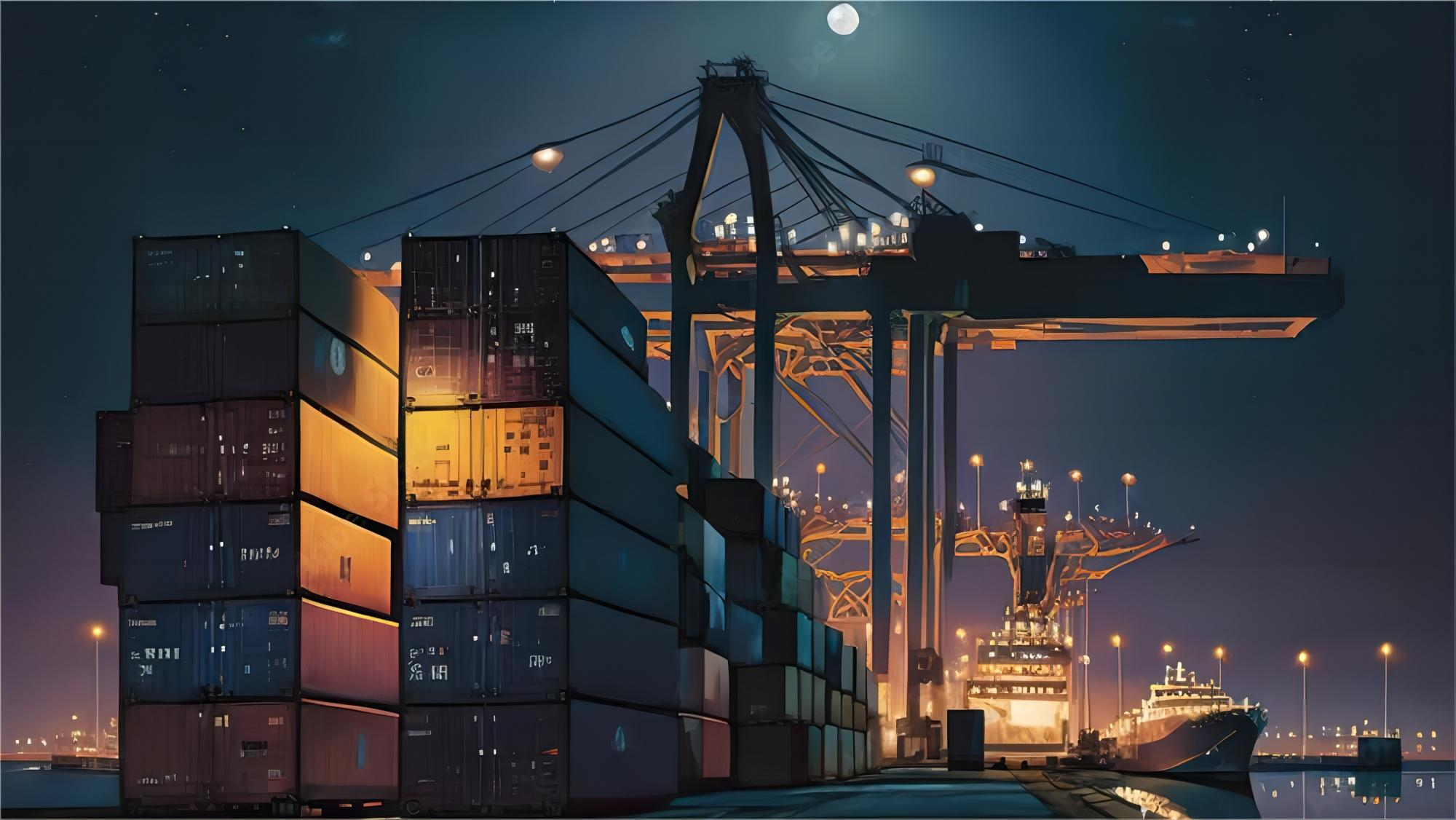
Why is a China Freight Forwarder for Ecommerce Fast Delivery Essential?
Modern ecommerce relies heavily on the speed of the supply chain to meet consumer expectations for rapid shipping. Businesses must navigate complex international regulations and varying carrier schedules to maintain a steady flow of inventory. Therefore, a specialized freight forwarder acts as a critical bridge between Chinese manufacturers and global consumers.
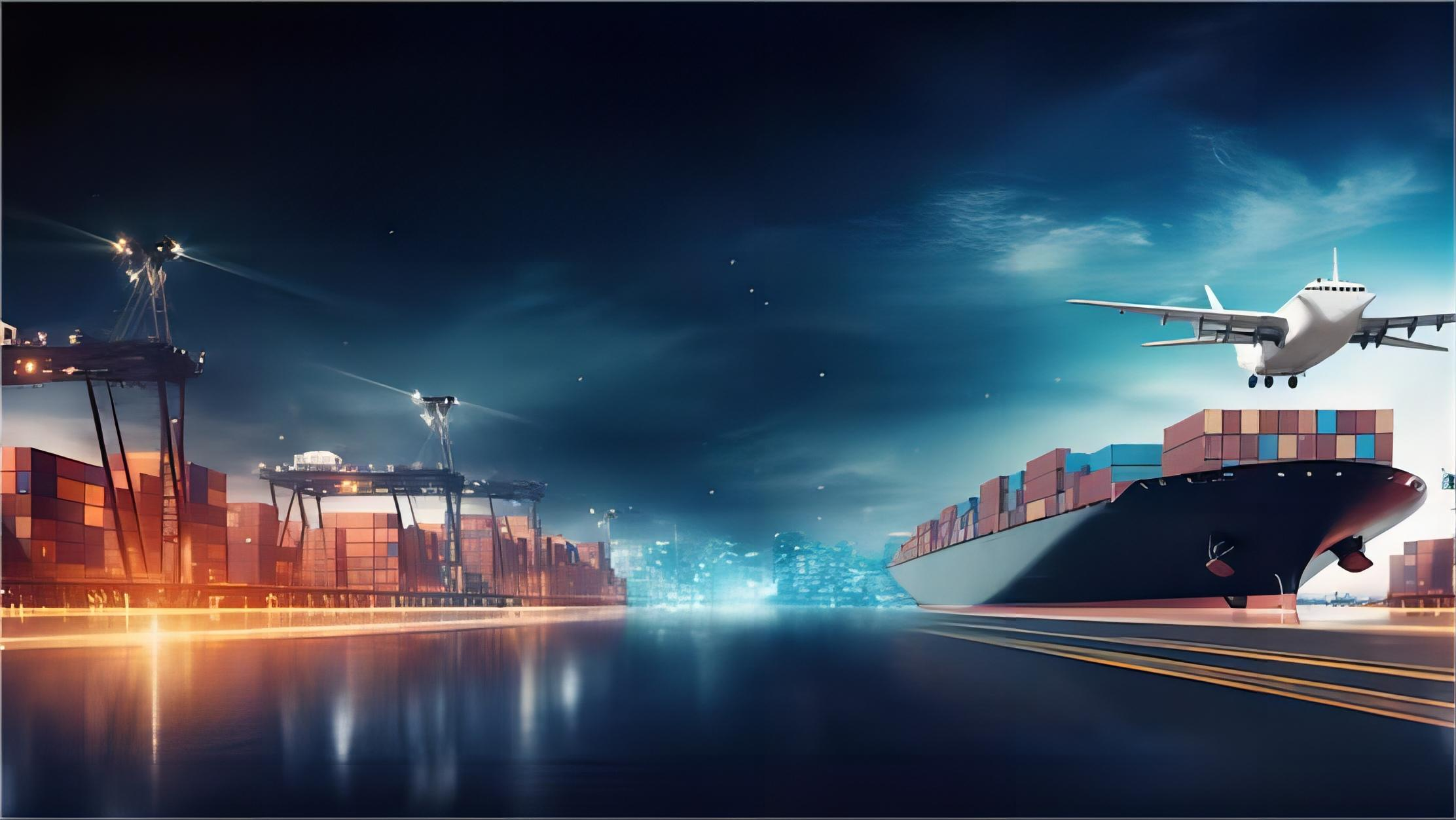
Logistics experts provide the necessary infrastructure to handle high-volume shipments while maintaining strict delivery timelines. Moreover, they offer consolidated services that help small and medium enterprises compete with larger corporations by reducing per-unit shipping costs. Consequently, the ability to pivot between different transport modes becomes a significant asset for any online retailer.
Choosing a partner with local expertise in China allows for better negotiation with carriers and faster problem resolution at the port of origin. Indeed, having a boots-on-the-ground presence ensures that quality control and packaging standards meet the requirements of international shipping. This proactive approach minimizes the risk of damaged goods and expensive returns.
Furthermore, the 2026 logistics landscape requires advanced tracking capabilities and real-time data integration for effective inventory management. High-quality freight forwarders utilize sophisticated software to provide visibility throughout the entire transit process. As a result, ecommerce owners can make informed decisions based on accurate arrival estimates and potential delay alerts.
How Does Express Shipping Compare to Other Shipping Options?
Utilizing an express service is often the fastest way to move high-value or time-sensitive ecommerce products. This method typically bypasses many of the traditional hurdles associated with standard freight by using dedicated courier networks. However, the convenience of speed comes with a higher price point that must be balanced against profit margins.
Standard air freight offers a middle ground, providing relatively quick transit times at a lower cost than premium express options. Meanwhile, sea freight remains the most economical choice for large, bulky items that do not require immediate delivery to the end consumer. Selecting the right method depends on your specific inventory turnover and customer requirements.
Alternative strategies often involve hybrid solutions, such as sea-air combinations, which provide a balance of cost and speed. For instance, shipping goods by sea to a regional hub and then by air to the final destination can save up to 30 percent compared to pure air freight. These creative logistics solutions are becoming increasingly popular for mid-tier ecommerce brands in 2026.
| Shipping Method | Cost Range (per kg) | Transit Time | Best For |
|---|---|---|---|
| Express Courier | $8.00 – $15.00 | 3-5 Days | Small, high-value items |
| Air Freight | $4.50 – $9.00 | 7-12 Days | Urgent inventory restock |
| Fast Sea Freight | $1.50 – $3.00 | 18-25 Days | Standard ecommerce stock |
| Standard Sea | $0.80 – $1.50 | 30-45 Days | Bulk items and low-cost goods |
Direct vs Transshipment: Which Option Should You Choose for Fast Delivery?
Direct shipping routes are the gold standard for businesses prioritizing a china freight forwarder for ecommerce fast delivery. These routes involve fewer stops and reduce the likelihood of cargo being mishandled or delayed at intermediate ports. Although direct services often carry a 10 to 15 percent premium, the time savings of 5 to 7 days are often worth the investment.
Transshipment involves moving cargo through a secondary hub, such as Singapore or Busan, before it reaches its final destination. This method is generally more affordable and offers more frequent departure schedules for various destinations. Nevertheless, the increased risk of congestion at major hubs can lead to unpredictable delays during peak shipping seasons.
Decision-making should be based on the urgency of the shipment and the stability of the current global shipping lanes. For example, during the 2026 peak season, direct routes were significantly more reliable than transshipment options which faced port bottlenecks. Businesses should maintain a flexible strategy that allows them to switch between these options as market conditions fluctuate.
Understanding Air Freight vs Sea Freight for Ecommerce
Choosing between air freight and sea freight is one of the most consequential decisions for an ecommerce business. Air freight provides unparalleled speed, making it ideal for launching new products or responding to sudden spikes in demand. Conversely, the high cost of air transport can quickly erode margins for lower-priced items.
Sea freight remains the backbone of global trade due to its massive capacity and cost-efficiency for large volumes. Modern fast-vessel services have narrowed the gap, offering transit times that are competitive for many ecommerce applications. Consequently, many sellers now use sea freight for their core inventory while reserving air freight for emergency replenishment.
Environmental considerations are also influencing the choice between these modes in 2026. Sea freight has a significantly lower carbon footprint per ton-mile compared to air transport, which appeals to eco-conscious consumers. Therefore, implementing a sustainable logistics strategy may involve maximizing sea freight usage through better demand forecasting.
| Destination | Air Freight (Days) | Sea Freight (Days) | Express (Days) |
|---|---|---|---|
| USA West Coast | 6-9 | 14-20 | 3-5 |
| USA East Coast | 7-10 | 28-35 | 4-6 |
| Europe (Main Ports) | 7-11 | 30-38 | 4-7 |
| Australia | 5-8 | 12-18 | 3-5 |
The Role of Customs Brokerage in Speeding Up Deliveries
Efficient customs brokerage is often the difference between a shipment arriving on time or being stuck in a warehouse for weeks. Customs officials require precise documentation and strict adherence to tariff classifications to process international imports. Inaccurate paperwork can lead to heavy fines and long-term delays that damage your brand reputation.
Professional brokers stay updated on the latest trade agreements and regulatory changes that affect ecommerce shipments in 2026. They ensure that all duties and taxes are calculated correctly, preventing unexpected costs at the border. Additionally, they can provide guidance on restricted items and specific labeling requirements for different target markets.
Automated customs filing systems have become a standard requirement for fast delivery in the modern era. These systems allow for pre-clearance of goods while they are still in transit, significantly reducing the time spent at the port of entry. As a result, your china freight forwarder for ecommerce fast delivery can move products directly from the plane or ship to the final mile delivery network.
Optimizing Your Amazon FBA Logistics in 2026
Managing Amazon FBA shipments requires a deep understanding of Amazon’s strict receiving guidelines and window appointments. Failure to comply with labeling, palletization, or packaging standards can result in rejected shipments and additional storage fees. Therefore, working with a forwarder experienced in FBA requirements is non-negotiable for serious Amazon sellers.
Inventory placement programs and regional fulfillment strategies have become more complex as Amazon expands its global footprint. A skilled freight forwarder can help optimize your shipping plan to ensure goods are distributed to the warehouses closest to your customers. This strategy reduces the time and cost associated with the final delivery leg within the destination country.
Furthermore, the integration of third-party logistics (3PL) providers for prep and inspection services adds another layer of security to the supply chain. These facilities check products in China or near the destination port to ensure they meet quality standards before reaching Amazon. Consequently, this reduces the rate of customer returns and protects your seller account health ratings.

Real-World Case Studies of Fast Ecommerce Shipping
Case Study 1: Electronics Launch. A Shenzhen-based manufacturer needed to deliver 500 units of a new consumer gadget to Los Angeles. By utilizing a premium air express route, the total door-to-door time was 4 days, costing $12.50 per kg. This speed allowed the brand to capitalize on a viral marketing trend and maintain a 98 percent in-stock rate.
Case Study 2: Apparel Restock. A European fashion retailer required a cost-effective but relatively fast replenishment of seasonal stock from Ningbo to Hamburg. They opted for a fast-vessel sea freight service with a transit time of 22 days. The total landed cost was $2.10 per unit, which was 60 percent cheaper than air freight while still meeting the seasonal deadline.
Case Study 3: Australian Market Entry. An ecommerce startup shipped LCL cargo from Guangzhou to Sydney using a direct sea route. The shipment consisted of 5 CBM of home decor items with a total transit time of 15 days. By choosing a direct route over transshipment via Singapore, they avoided a 10-day delay caused by regional port congestion in early 2026.
Cost-Saving Strategies for Fast Ecommerce Logistics
Consolidating multiple small orders into a single larger shipment is one of the most effective ways to lower your shipping expenses. This approach allows you to take advantage of volume discounts and reduces the fixed costs associated with documentation and customs clearance. Moreover, it simplifies the tracking process by reducing the number of individual shipments to manage.
Negotiating long-term contracts with a china freight forwarder for ecommerce fast delivery can provide price stability in a volatile market. While spot rates may occasionally be lower, contract rates protect your business from sudden price spikes during peak seasons. Additionally, loyal clients often receive priority space on ships and planes when capacity is tight.
Optimizing your product packaging to reduce volumetric weight can also lead to significant savings, especially for air freight shipments. Using custom-sized boxes and eliminating excess padding ensures that you are not paying to ship air. Indeed, a 10 percent reduction in package volume can translate directly into a 10 percent reduction in international shipping costs.
Final Thoughts on Ecommerce Shipping from China
Successfully navigating international trade requires a strategic approach to logistics and a reliable china freight forwarder for ecommerce fast delivery. By understanding the trade-offs between speed and cost, businesses can build a resilient supply chain that adapts to changing market conditions. Whether you prioritize the rapid transit of air freight or the cost-efficiency of sea freight, the key is consistency and professional management.
As we move through 2026, the integration of technology and local expertise will continue to define the leaders in the ecommerce space. Investing in high-quality logistics today ensures that your brand remains competitive and your customers stay satisfied. Remember that the cheapest shipping option is rarely the best if it results in delayed deliveries or damaged inventory.
Get Your Shipping Quote Today
Streamline your global supply chain today by partnering with a trusted logistics expert. Our team provides tailored solutions for businesses seeking a china freight forwarder for ecommerce fast delivery with proven reliability. Visit our contact page to request a custom quote and discover how we can accelerate your business growth in 2026. Visit https://chinaworldcargo.com/ to get started.
Request Quote