
China World Cargo provides LCL shipping from China to Norway, offering flexible and cost-efficient solutions for smaller shipments. Count on us for secure, timely delivery and customized logistics tailored to your cargo requirements.
Shipping from China to Norway is made seamless with China World Cargo’s ocean and air freight services, providing reliable and efficient transport for your goods. We offer comprehensive logistics solutions customized to your unique shipping needs, ensuring timely delivery and cost-effective operations. Rely on China World Cargo to manage your cargo professionally and efficiently, from pickup in China to final delivery in Norway.
China World Cargo provides reliable sea freight from China to Norway, delivering secure and efficient transport for your shipments. Count on us for customized shipping solutions that combine dependability and cost efficiency.
China World Cargo provides fast and dependable air freight from China to Norway, ensuring efficient handling and on-time delivery of your shipments. Rely on our customized solutions to meet your specific shipping requirements.
China World Cargo offers efficient and sustainable rail freight from China, providing reliable transport solutions via train. Rely on our expertise for secure and timely delivery of your goods.
China World Cargo provides FCL shipping from China to Norway, delivering secure and efficient transport for full container loads. Rely on us for tailored logistics solutions that maximize reliability and cost efficiency.
China World Cargo provides LCL shipping from China to Norway, offering flexible and cost-efficient solutions for smaller shipments. Count on us for secure, timely delivery and customized logistics tailored to your cargo requirements.
China World Cargo offers fuel-efficient and cost-effective pickup services throughout China, ensuring optimized routes and reliable cargo collection for a seamless shipping experience.
China World Cargo provides complimentary warehousing services for your cargo at any stage of the shipping process, ensuring secure storage and efficient handling throughout the entire journey.
China World Cargo offers cargo insurance that provides comprehensive protection for your goods throughout the entire journey to any Amazon FBA warehouse, ensuring peace of mind and secure delivery.
China World Cargo handles all documentation and administrative tasks on your behalf, ensuring a smooth and hassle-free shipping process from start to finish.
China World Cargo guarantees secure packaging and proper loading of your goods at your supplier’s factory, ensuring that your cargo is well-protected throughout the shipping process.
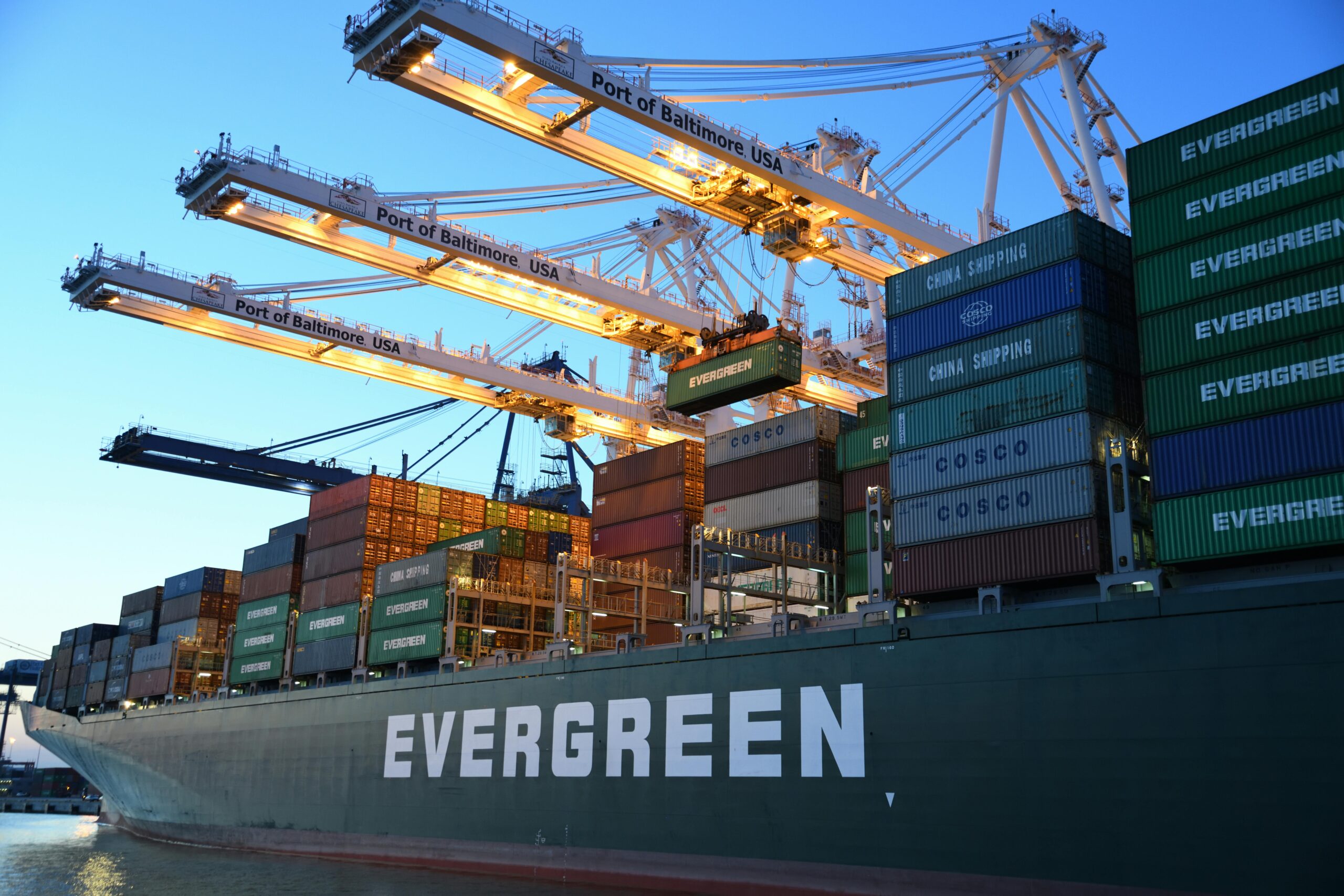
Shipping times from China to Norway are influenced by the chosen transport mode (air or sea), distance, customs clearance, and any potential delays in the logistics chain. Air freight is quicker but more expensive, while sea freight is cost-effective but slower. Other factors include the efficiency of the freight forwarder, weather conditions, and port congestion.
You can track your shipment from China to Norway using tracking numbers provided by your freight forwarder or carrier. Most carriers offer online tracking systems that allow you to monitor your shipment’s progress in real-time. Ensure to use the carrier’s website or app for accurate tracking information.
Essential documents include a commercial invoice, packing list, bill of lading, and certificate of origin. Depending on the nature of the goods, additional documents like certificates of conformity or import permits may be required. Ensure all documents are accurate and complete to facilitate smooth customs clearance.
Yes, customs duties and taxes may apply to shipments from China to Norway. The exact amount depends on the type of goods and their value. Norway’s customs authorities will assess duties based on the Harmonized System (HS) code of the goods. It’s advisable to check current rates and regulations to avoid surprises.
To ensure the safety of your goods, use high-quality packaging materials, choose a reliable freight forwarder, and secure adequate insurance coverage. Properly label and document your shipment, and comply with all regulations and safety standards. Regular tracking and clear communication with your freight partner also help in ensuring safe delivery.
Air freight offers faster shipping times compared to sea freight, with typical delivery times of 7 to 14 days. It is ideal for high-value, time-sensitive, or perishable goods. Air freight also provides better security and tracking capabilities, making it a reliable option for urgent shipments.
Sea freight is generally more cost-effective but slower, with delivery times ranging from 25 to 35 days. It is suitable for large, heavy, or non-urgent shipments. Air freight is faster, with delivery typically in 7 to 14 days, but is more expensive. It is best for urgent or high-value goods.
If your shipment is delayed, first contact your freight forwarder or carrier for information. They can provide updates on the delay and potential solutions. Check tracking systems and ensure all required documents are in order. In some cases, delays may be due to customs issues or logistical problems that need resolution.
Shipping costs depend on factors such as the mode of transport, weight, dimensions of the cargo, and destination. For accurate cost estimates, consult with your freight forwarder or use online shipping calculators provided by carriers. They will consider all these factors to provide a detailed cost breakdown.
Common challenges include customs clearance delays, fluctuating shipping rates, and potential damage or loss of goods. Other issues may include navigating complex regulations, dealing with unexpected costs, and managing logistical disruptions. Working with a reliable freight forwarder and preparing adequately can help mitigate these challenges.
Vehicle operations cover the methods of running vehicles, the rules set for these operations, and relevant policies. In different countries, the management of operations and ownership of infrastructure may vary.
How transport vehicles are operated depends on established procedures and governing policies. Interestingly, countries vary in how they manage operations and control transport infrastructure.
Operations in transport include the way vehicles are run, the rules in place, and organizational policies. It’s worth noting that in some countries, both the operations and the infrastructure can be publicly or privately controlled.