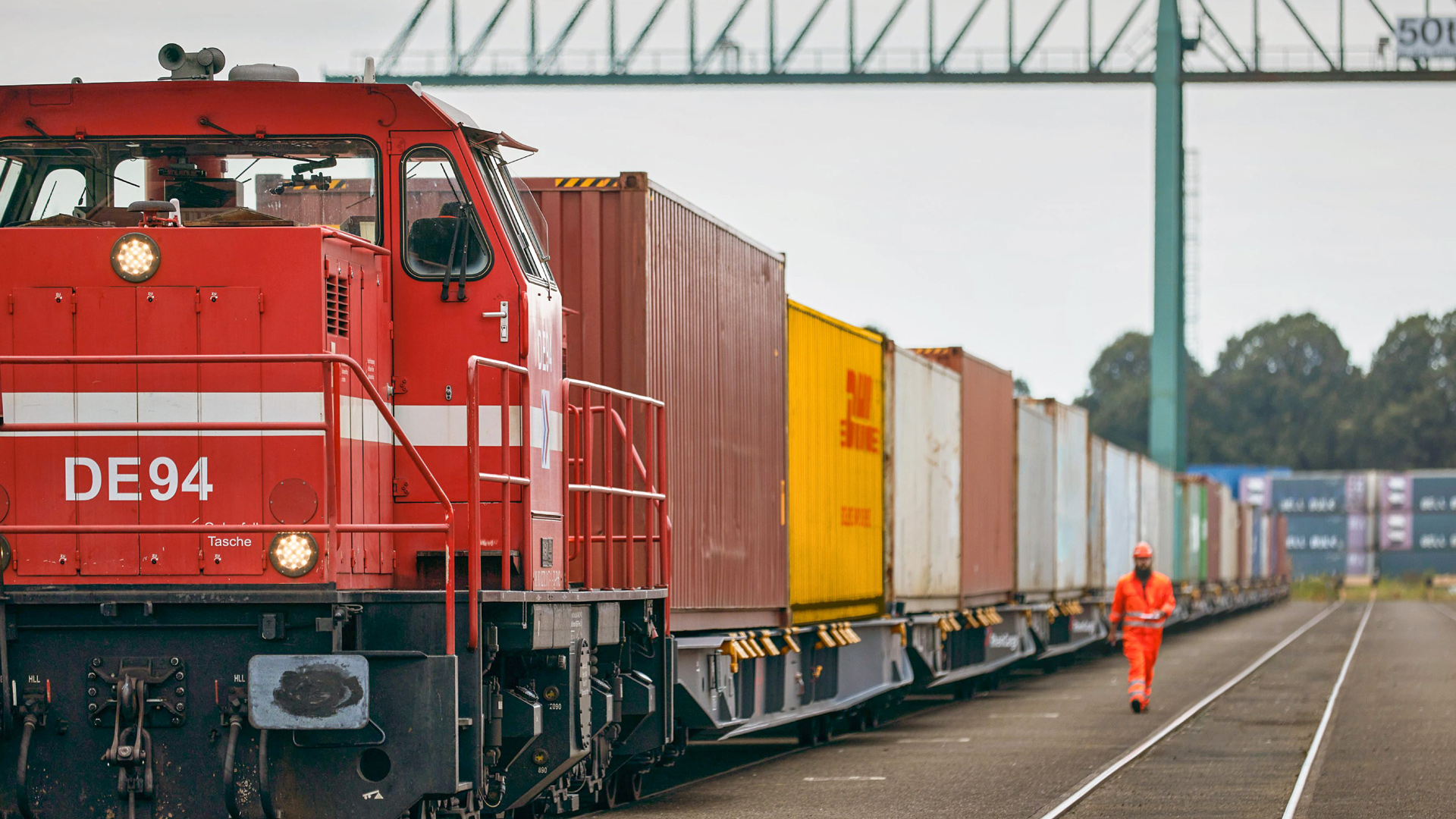
China World Cargo provides seamless logistics solutions from China to Kazakhstan, specializing in rail and air freight to key destinations such as Almaty, Nur-Sultan, and Karaganda. Through partnerships with China Railway and Kazakhstan Railways, we offer competitive rates for LCL and FCL shipments via the China-Europe Railway Express, with transit times of 12–18 days, including customs clearance and EAC certification support.
For urgent shipments, our air freight services with carriers like Air Astana deliver cargo to Almaty International Airport in 5–7 days. Whether you’re shipping machinery, textiles, or electronics, China World Cargo handles all documentation, door-to-door delivery, and compliance with Eurasian Economic Union regulations. Rely on us for efficient, reliable, and cost-effective logistics tailored to the Kazakhstan market.
China World Cargo provides competitive rail freight solutions to Kazakhstan via the China-Europe Railway Express, serving key cities including Almaty, Nur-Sultan, and Karaganda. In partnership with China Railway and Kazakhstan Railways, we offer both LCL and FCL services with transit times of 12–18 days, complete with customs clearance and EAC certification support. Our rail solutions are ideal for bulk shipments such as machinery, textiles, and construction materials, delivering your goods efficiently, reliably, and on schedule to meet your business requirements.
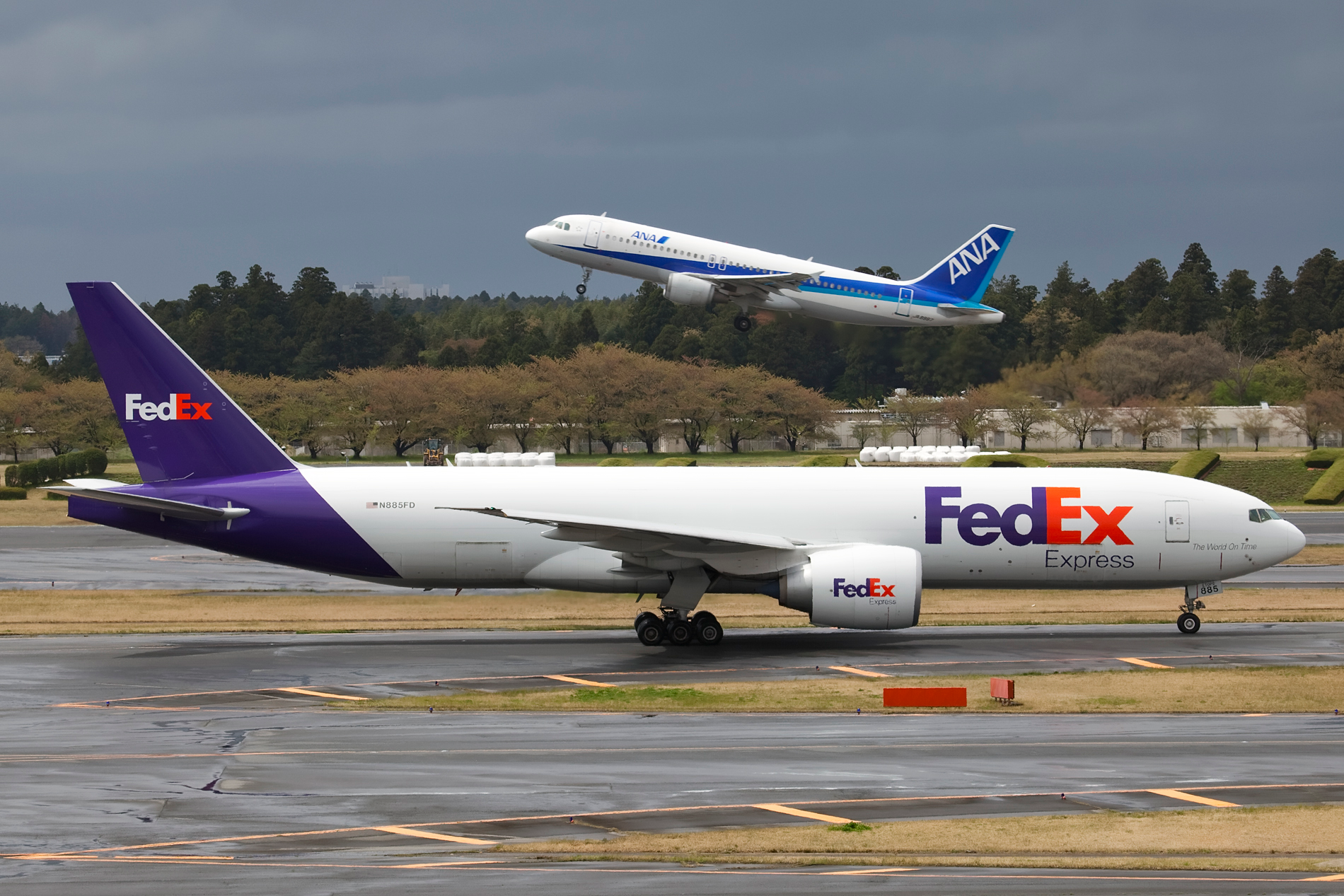
Rely on China World Cargo for speedy air freight to Almaty International Airport via Air Astana or Turkish Airlines, ensuring urgent shipments arrive within 5–7 days. Our services include full EAC documentation, customs compliance, and specialized handling for high-value or temperature-sensitive goods such as pharmaceuticals and electronics.
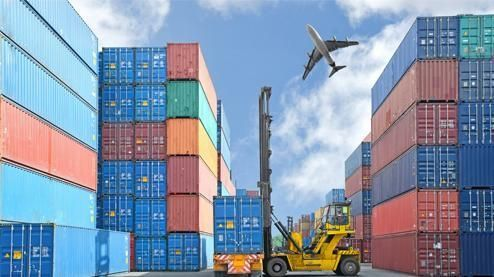
China World Cargo offers comprehensive DDP logistics from China to Kazakhstan, covering factory pickup, EAC certification, and delivery to cities such as Shymkent and Aktau. Our services include full customs clearance, local agent support, and real-time shipment tracking, ensuring efficient and reliable delivery—even to Kazakhstan’s remote regions. We manage every step of the process, providing timely and seamless logistics tailored to your business needs.
China World Cargo offers exclusive contract rates with leading carriers to help lower your shipping costs. For FCL (Full Container Load) shipments to Kazakhstan, we provide reliable, cost-effective, and end-to-end logistics solutions to ensure your cargo reaches its destination safely and on time.
In addition to offering competitive ocean freight rates, China World Cargo ensures exceptional service at the destination port, providing smooth handling, efficient customs clearance, and timely delivery of your cargo.
China World Cargo offers fuel-efficient and cost-effective pickup services throughout China, ensuring optimized routes and reliable cargo collection for a seamless shipping experience.
China World Cargo provides complimentary warehousing services for your cargo at any stage of the shipping process, ensuring secure storage and efficient handling throughout the entire journey.
China World Cargo offers cargo insurance that provides comprehensive protection for your goods throughout the entire journey to any Amazon FBA warehouse, ensuring peace of mind and secure delivery.
China World Cargo handles all documentation and administrative tasks on your behalf, ensuring a smooth and hassle-free shipping process from start to finish.
China World Cargo guarantees secure packaging and proper loading of your goods at your supplier’s factory, ensuring that your cargo is well-protected throughout the shipping process.
Rail freight via the China-Europe Railway Express (Dostyk/Altynkol crossings) takes 12–18 days to Almaty/Nur-Sultan. Add 3–5 days for inland delivery to Karaganda or Shymkent.
Key documents include commercial invoices, packing lists, Bills of Lading, EAC certificates (for Eurasian Economic Union compliance), and import declarations.
Customs duty: 0–20% based on HS code. VAT: 12% on CIF value + duties. Goods under 200,000 KZT (≈ $400) are VAT-exempt.
Yes, but food requires sanitary certificates, and pharmaceuticals must meet EAEU standards. Partner with forwarders experienced in EAC compliance.
Use ePacket or AliExpress Standard Shipping for parcels under 2kg (15–25 days, $8–$15). For bulk orders, rail freight LCL is cost-effective.
Opt for DDP shipping (forwarder handles taxes) and ensure accurate EAC certification. Work with agents familiar with Kazakhstan’s customs system (e.g., Asycuda World).
Several reputable freight forwarders specialize in routes between China and Kazakhstan, including DHL, FedEx, and local forwarders with expertise in Central Asian logistics. Researching their services and reviews can help in selecting a reliable partner.
Packaging should ensure that goods are protected from damage during transit. Use sturdy materials and appropriate padding, especially for fragile items. Consider customs regulations and the nature of the goods when packaging.
Seasonal factors like winter weather can impact shipping times, particularly for sea freight. Delays due to adverse weather conditions or increased demand during peak seasons can affect transit times.
When shipping goods from China to Kazakhstan, you typically need several documents to ensure smooth customs clearance and transportation. Here's a list of common documents you may need:
Commercial Invoice: This document provides details about the goods being shipped, including their description, quantity, value, and the terms of sale. It's essential to ensure that the information on the commercial invoice matches the details of the shipment.
Packing List: A detailed list of all the items included in the shipment, specifying the quantity, weight, and dimensions of each item. The packing list helps customs authorities verify the contents of the shipment and ensures accurate customs declaration.
Bill of Lading (B/L): This serves as a receipt of goods from the carrier and is a contract between the shipper and the carrier. The Bill of Lading includes information about the shipment, such as the consignee, shipper, destination port, and terms of shipment. It's crucial for the transportation and delivery of the goods.
Certificate of Origin: This document certifies the origin of the goods and may be required for customs clearance. It indicates where the goods were manufactured or produced and helps determine eligibility for preferential trade agreements or tariff benefits.
Customs Declaration/Form: This form provides information about the contents of the shipment and is used by customs authorities to assess duties and taxes. It's essential to accurately complete the customs declaration to comply with Kazakhstan's import regulations.
Import License (if applicable): Certain goods may require an import license from Kazakhstan's government before they can be cleared through customs. Check with local authorities or your freight forwarder to determine if your goods require an import license.
Insurance Certificate: This document provides evidence of insurance coverage for the shipment and is often required by both the buyer and the seller. It helps protect the interests of all parties involved in the shipment.
Export License (if applicable): Certain goods may require an export license from Chinese authorities before they can be shipped out of the country. Verify if your goods require an export license and obtain it before shipping.
Other Certifications or Documentation: Depending on the nature of the goods being shipped, additional certificates or documentation may be required. For example, agricultural products may require a phytosanitary certificate, and hazardous materials may require a Material Safety Data Sheet (MSDS).
It's essential to consult with your freight forwarder, shipping agent, or customs broker to ensure you have all the necessary documentation for your specific shipment. Requirements may vary based on factors such as the type of goods, shipping method, and regulations in both China and Kazakhstan. Additionally, political and economic factors may influence documentation requirements, so it's crucial to stay updated on any changes in regulations
Operations in transport include the way vehicles are run, the rules in place, and organizational policies. It’s worth noting that in some countries, both the operations and the infrastructure can be publicly or privately controlled.
How transport vehicles are operated depends on established procedures and governing policies. Interestingly, countries vary in how they manage operations and control transport infrastructure.
Vehicle operations cover the methods of running vehicles, the rules set for these operations, and relevant policies. In different countries, the management of operations and ownership of infrastructure may vary.