China World Cargo specializes in seamless and efficient shipping from China to Portugal. As a trusted freight forwarder, we provide reliable and cost-effective logistics solutions. Our services include expert customs handling, secure warehousing, and advanced tracking technology. Partner with China World Cargo for a smooth, tailored shipping experience designed to meet your business needs.
China World Cargo provides reliable sea freight services from China to Portugal, utilizing efficient container shipping solutions. Trust us for smooth cargo transport, competitive pricing, and a strong commitment to timely and secure delivery.
China World Cargo delivers fast and reliable air freight services from China to Portugal, ensuring timely delivery and efficient handling. Count on us to meet all your air shipping needs for smooth and dependable transportation.
China World Cargo provides affordable rail freight services from China to Portugal, offering competitive rates and reliable transit times. Rely on us for efficient and dependable rail shipping solutions tailored to your requirements.
China World Cargo provides seamless FCL shipping from China’s major ports to Portugal. Leveraging our expertise, we ensure efficient cargo handling with a focus on safety and on-time delivery. Our dedicated team manages every step—from documentation to customs clearance—so you can ship with confidence. Trust China World Cargo for reliable, cost-effective shipping solutions that connect China’s key trade hubs to destinations across Portugal.
China World Cargo makes LCL shipping from China to Portugal simple and efficient, offering tailored solutions for your specific cargo requirements. Leveraging our extensive network, we optimize consolidation to maximize cost-effectiveness without compromising quality. From container arrangements to customs management, we handle every detail with care. With China World Cargo, your shipments receive dedicated attention, ensuring reliability and peace of mind. Trust us to connect China’s major ports with your destinations in Portugal, providing seamless logistics from start to finish.
China World Cargo offers fuel-efficient and cost-effective pickup services throughout China, ensuring optimized routes and reliable cargo collection for a seamless shipping experience.
China World Cargo provides complimentary warehousing services for your cargo at any stage of the shipping process, ensuring secure storage and efficient handling throughout the entire journey.
China World Cargo offers cargo insurance that provides comprehensive protection for your goods throughout the entire journey to any Amazon FBA warehouse, ensuring peace of mind and secure delivery.
China World Cargo handles all documentation and administrative tasks on your behalf, ensuring a smooth and hassle-free shipping process from start to finish.
China World Cargo guarantees secure packaging and proper loading of your goods at your supplier’s factory, ensuring that your cargo is well-protected throughout the shipping process.
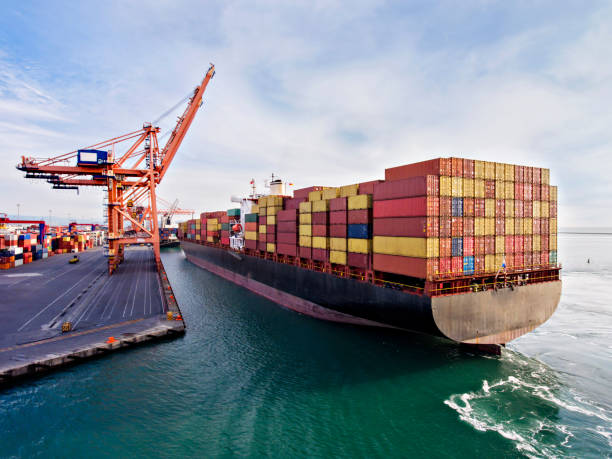
Shipping times from China to Portugal depend on several factors, including the mode of transport (air or sea), the specific departure and destination ports, customs processing times, and the efficiency of the freight forwarder. Air freight is faster but more expensive, while sea freight is more cost-effective but slower.
To track your shipment, use the tracking number provided by your freight forwarder or carrier. Most companies offer online tracking systems on their websites. You can also request regular updates through email or SMS from your freight service provider.
Customs requirements include providing accurate documentation such as the commercial invoice, packing list, and bill of lading. Ensure compliance with Portuguese import regulations, including tariffs, VAT, and any specific import restrictions. Customs clearance may also require certificates of origin or conformity for certain goods.
Shipping costs are determined by factors such as the weight and volume of the cargo, the shipping method (air or sea), and the distance between the ports. Additional costs may include insurance, customs duties, and handling fees. Freight forwarders usually provide quotes based on these variables.
Use durable and secure packaging materials to protect goods during transit. For fragile items, use cushioning materials like bubble wrap or foam. Ensure that the packaging is labeled correctly and includes all necessary documentation to comply with customs requirements.
Yes, certain items may be restricted or prohibited due to safety, health, or environmental concerns. Common restrictions include hazardous materials, pharmaceuticals, and specific electronics. Check with Portuguese customs and your freight forwarder for a list of restricted items before shipping.
Contact your freight forwarder or carrier for an update on the status of your shipment. They can provide information on the cause of the delay and an estimated delivery time. It’s also helpful to track your shipment online and check with customs for any clearance issues.
Obtain insurance coverage through your freight forwarder or a third-party insurer. Verify that the policy covers potential risks such as loss, damage, or theft. Ensure that the insurance value aligns with the value of your shipment for adequate protection.
Required documentation includes the commercial invoice, packing list, bill of lading, and any applicable certificates of origin or conformity. Ensure all documents are complete and accurate to avoid delays or issues with customs clearance.
Research and compare freight forwarders based on their reputation, customer reviews, and service offerings. Look for companies with experience in shipping to Portugal, transparent pricing, and a track record of timely deliveries. Verify their compliance with international shipping standards and regulations.
How transport vehicles are operated depends on established procedures and governing policies. Interestingly, countries vary in how they manage operations and control transport infrastructure.
Vehicle operations cover the methods of running vehicles, the rules set for these operations, and relevant policies. In different countries, the management of operations and ownership of infrastructure may vary.
Operations in transport include the way vehicles are run, the rules in place, and organizational policies. It’s worth noting that in some countries, both the operations and the infrastructure can be publicly or privately controlled.