
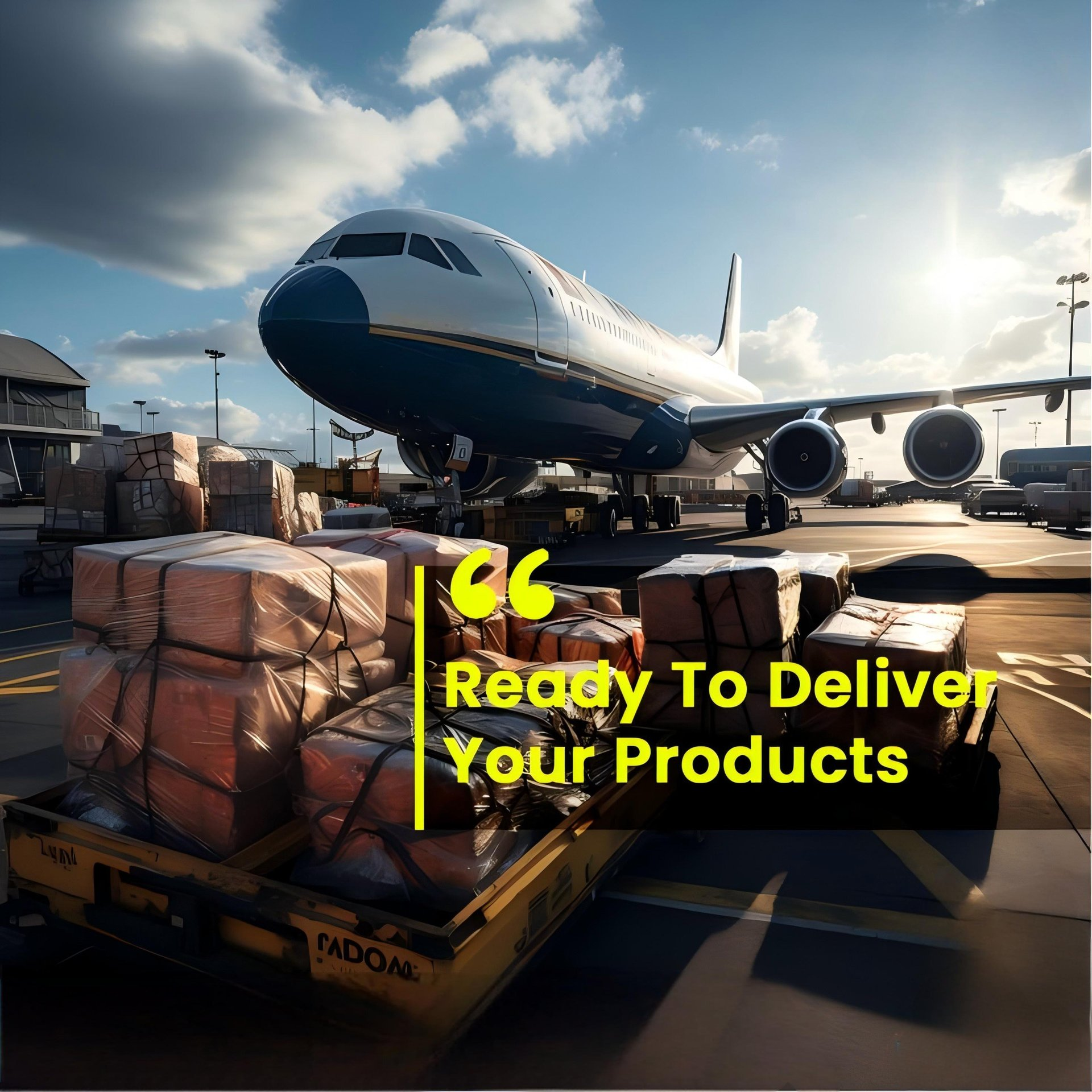
China National Day DDP Shipping to Singapore: A 2026 Strategic Logistics Guide
Navigating China National Day DDP shipping to Singapore during the peak October period requires precise coordination to avoid severe port congestion and sudden customs delays. Many importers struggle with the complexities of Importer of Record (IOR) status and unpredictable destination tax assessments that can erode profit margins if not managed proactively. Partnering with China World Cargo ensures your cargo moves through Singapore customs with full transparency on landed costs. This guide provides an operational roadmap for securing landed-duty-paid status while maintaining strict compliance with Singaporean import regulations during the 2026 holiday season.
Key Takeaways
Standard LCL consolidation typically requires a minimum of 1 CBM to optimize cost-per-unit for door-to-door DDP services.
Singapore GST is calculated at 9% on the CIF value, which must be fully prepaid under DDP terms to ensure seamless final-mile release.
Air freight chargeable weight is calculated at 1:167 ratio; ensure your packing list accurately reflects dimensions to avoid post-shipment surcharges.
The China National Day holiday window often results in a 3-5 day reduction in factory output, requiring booking lead times of at least 14 days for surface freight.
What Should Buyers Know First About DDP Shipping on This Lane?

The primary advantage of choosing DDP (Delivered Duty Paid) for the China-to-Singapore route is the consolidation of all logistics and fiscal responsibilities under the seller or forwarder. For many businesses, this eliminates the administrative burden of navigating Singapore Customs procedures, particularly for small-to-medium enterprises that lack a local entity to act as the Importer of Record. However, the term assumes the seller has full authority and capability to settle all duties and taxes at the destination, which requires a high level of coordination.
During the National Day period, buyers must anticipate potential bottlenecks at origin ports in China as factories pause operations and regional transport slows down. Forward-thinking companies address these risks by confirming vessel or flight space at least two weeks before the holiday begins to avoid the inevitable rush that follows the reopening. Failing to synchronize your production schedule with these seasonal transit windows can result in significant dwell times at the port of origin or increased costs for expedited transit solutions.
To ensure a smooth experience, verify that your freight forwarder provides a transparent breakdown of the landed cost rather than a lump-sum estimate that hides potential service fees. A reliable partner will assist in auditing your commercial invoices for HS code accuracy, which is the most critical factor in determining the correct duty and tax impact upon arrival in Singapore. By prioritizing these details, you move from a reactive shipping posture to a proactive supply chain strategy that protects your margins.
Field note: Ensure your commercial invoice is generated in USD or SGD per your contract.
Common mistake: Neglecting to provide an accurate packing list during the initial booking phase.
Risk alert: Customs valuation errors can lead to immediate audit and penalties.
Who Bears Duty, Tax, and IOR Liabilities Under DDP Terms?
Under DDP terms, the seller is legally and financially responsible for all costs and risks associated with moving the goods to the destination door, including duties, taxes, and customs formalities. In the context of shipping to Singapore, this means the seller or their designated freight forwarder must act as the party responsible for the Singapore Goods and Services Tax (GST) and any relevant import duties. This requirement ensures that the buyer receives the goods at their destination without the need to engage directly with Singapore Customs.
The Importer of Record (IOR) role is pivotal in this arrangement, as this party is officially recognized by the customs authority for all compliance and liability matters. If the seller does not have a formal business registration in Singapore, they must partner with a logistics provider capable of acting as a nominee IOR to facilitate the entry of goods. This transfer of liability is a major benefit for buyers, as it removes the risk of customs holds or documentation disputes that can occur when the buyer is expected to navigate local regulations themselves.
However, buyers must be aware that the seller’s liability does not absolve them from providing accurate information regarding the product’s nature, value, and intended use. Misrepresentation of cargo details can lead to severe fines or even the seizure of goods by Singaporean authorities, regardless of the DDP contract. Therefore, the buyer remains responsible for providing comprehensive documentation, while the seller manages the execution of the import process, ensuring a collaborative approach to compliance and delivery efficiency.
| Cost Component | Typical Assessment Base | Who Usually Pays | Planning Note |
|---|---|---|---|
| CIF / customs value | Goods value + freight + insurance (as declared) | Importer of record | Wrong valuation drives duty and VAT/GST miscalc |
| Import duty / tariff | % of customs value by HS chapter | Importer / DDP seller (by Incoterms) | Confirm HS binding before award |
| VAT / GST / sales tax | Duty-paid value (or local statutory base) | Importer / fiscal representative | Registration and reclaim rules vary by market |
| Customs broker / clearance fee | Per entry or per shipment band | Importer / nominating party | Separates from freight; exams add extras |
| Exam / storage / disbursement | Event-driven (exam, demurrage, advance) | Importer / broker client account | Often outside base ocean/truck quote |
Field note: Always verify if your provider has a licensed IOR service in Singapore.
Common mistake: Assuming DDP covers insurance automatically without a specific policy mention.
Risk alert: Nominee IOR services often incur a separate service fee.
DDP vs DAP vs FOB: Which Trade Term Cuts Your True Landed Cost?
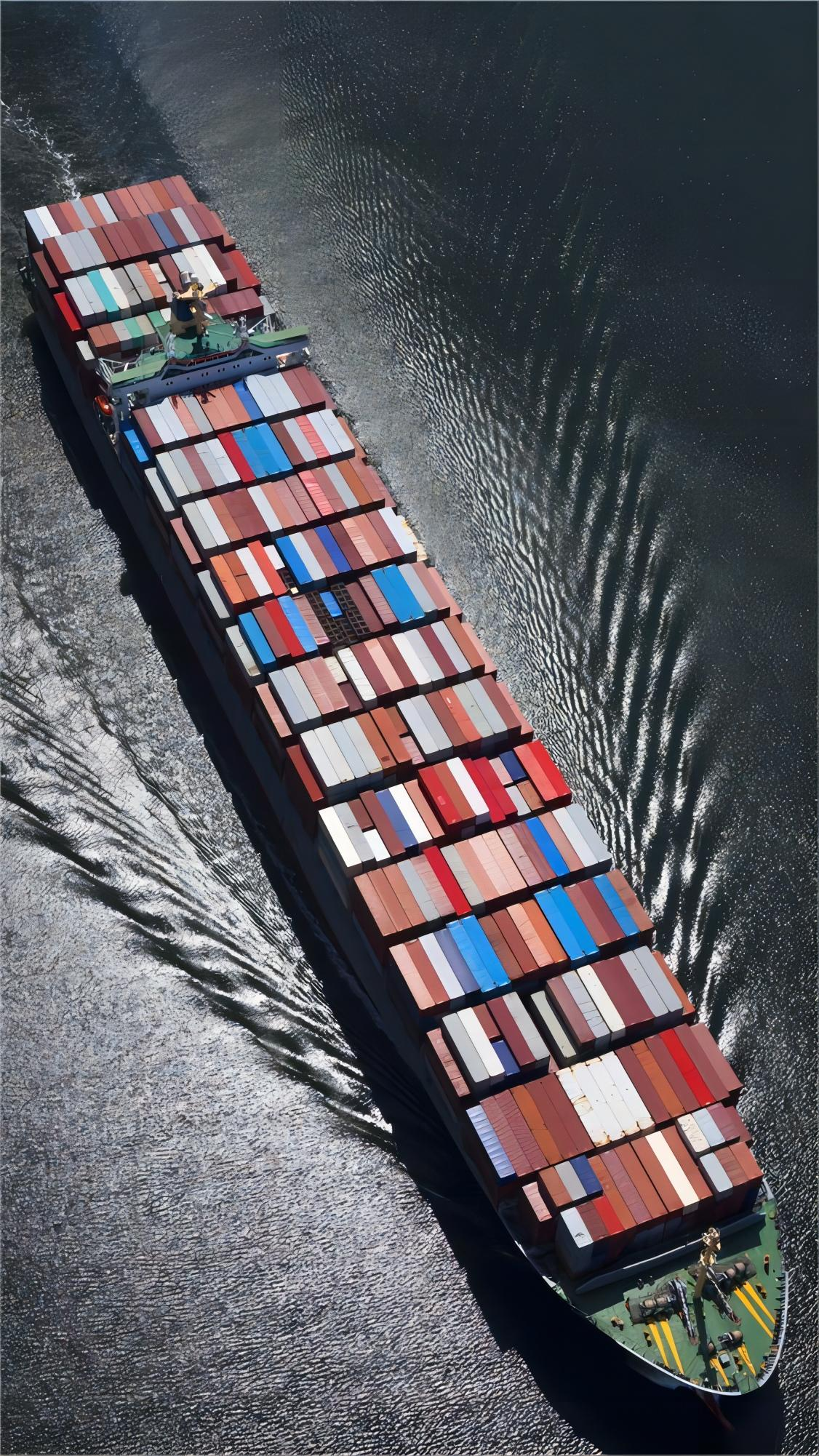
Choosing between DDP, DAP (Delivered at Place), and FOB (Free on Board) requires a careful analysis of your internal capabilities and risk tolerance. While DDP offers the highest level of convenience for the buyer, it is often factored into the total product price to compensate the seller for the added risk of duty and tax settlement. In contrast, DAP leaves the duty and tax payment to the buyer, which provides greater visibility into these specific costs but necessitates a more active role in the customs clearance process.
FOB, while common in traditional shipping, places the responsibility of international freight on the buyer, providing the most control but also the most potential for operational complexity. For many importers, DDP is the preferred choice for high-value or highly regulated goods where the seller’s expertise in customs compliance is an asset that far outweighs the slightly higher service premium. Understanding these trade terms is essential for accurate landed-cost modeling, as each option shifts the financial burden and administrative workload differently.
To decide which term best suits your business, compare the cost of outsourcing customs management to your forwarder versus handling it in-house. A comprehensive freight service will often provide side-by-side cost comparisons for these terms to help you optimize your logistics spend. Remember that the lowest freight rate is not always the most economical choice when you factor in the time, labor, and potential risk of errors associated with managing complex customs filings and cross-border logistics on your own.
Field note: Consult your accounting department regarding the tax deductibility of prepaid duties.
Common mistake: Confusing DDP with DAP and failing to budget for destination taxes.
Risk alert: DDP pricing may include hidden margins on duty payments.
What Transit Timelines and Dwell Windows Apply to DDP Cargo?
Transit timelines for DDP shipments to Singapore are inherently tied to the chosen mode of transport, with air freight typically offering a 3-to-7-day window and ocean freight ranging from 20 to 35 days depending on the Shenzhen/Ningbo. The National Day period injects volatility into these estimates, as port congestion and carrier capacity constraints often lead to unexpected delays. It is essential to build a ‘buffer week’ into your supply chain planning during this season to account for these systemic fluctuations.
Dwell windows at the port of arrival are influenced by the speed of customs release and the availability of last-mile carriers. DDP shipments require an extra layer of pre-clearance processing, meaning that document accuracy is the single most important factor in keeping dwell times to a minimum. Once the goods are cleared by Singapore Customs, the final-mile delivery usually occurs within 24 to 48 hours, provided that the warehouse or facility is prepared to receive the cargo and that all accessorial requirements are met.
To monitor these milestones, utilize advanced tracking tools that provide visibility into each stage of the journey, from export customs in China to the final doorstep delivery in Singapore. Proactive communication with your logistics provider regarding specific delivery window requirements can help prevent costly redelivery attempts or storage fees. By managing the flow of data alongside the flow of goods, you can ensure that your cargo remains on track despite the seasonal challenges associated with the holiday period.
| Leg / Milestone | Typical Duration | Critical Trigger | Operational Risk |
|---|---|---|---|
| Origin Export Clearance | 1-2 Days | Document Filing | Customs Hold |
| Ocean Transit | 20-30 Days | Vessel Departure | Space Shortage |
| Singapore Customs | 1-3 Days | Tax Payment | Valuation Audit |
| Final Mile Delivery | 1-2 Days | Consignee Availability | Access Issues |
Field note: Request a tracking portal link from your account manager.
Common mistake: Ignoring the impact of peak season vessel blank sailings.
Risk alert: Port congestion can extend transit by 10+ days.
How Are All-Inclusive DDP Rates and Duty Surcharges Built?
All-inclusive DDP rates are constructed by aggregating the cost of international freight, destination handling charges, duty payments, and the administrative fee for IOR services. Because these rates are designed to be transparent, reputable forwarders will provide an itemized quote that clearly distinguishes between the freight portion and the non-freight portion of the total landed cost. This structure allows you to see the exact impact of Singaporean taxes on your product’s final pricing, which is vital for maintaining margins.
Duty surcharges are often the most variable component of a DDP invoice, as they depend entirely on the declared value and the specific HS classification of your goods. In Singapore, GST is the primary fiscal burden, and it is calculated on the CIF (Cost, Insurance, and Freight) value of the shipment. Professional forwarders use sophisticated software to calculate these duties accurately, reducing the risk of a post-shipment adjustment that could lead to an unexpected bill for the buyer.
To protect yourself from hidden surcharges, ensure that your contract clearly defines what is included in the ‘all-inclusive’ quote and what might be considered an extra. For example, special handling requirements, heavy-lift fees, or residential delivery surcharges may not be part of a standard commercial shipment quote. By clarifying these definitions up front and providing detailed cargo specs, you eliminate the risk of surprise invoices and foster a long-term, predictable relationship with your logistics partner.
Field note: Always ask for a line-item audit if the duty amount seems unusually high.
Common mistake: Failing to account for the 9% GST in the initial landed cost calculation.
Risk alert: Incorrect HS codes lead to duty overpayment or customs audits.
What Documents and Filings Are Mandatory Under DDP?
The documentation required for DDP shipping to Singapore is rigorous and must be perfectly aligned to ensure customs clearance without delays. The most critical document is the Commercial Invoice, which must contain accurate descriptions, unit values, and the correct HS codes as recognized by Singaporean authorities. In addition, a detailed Packing List is mandatory to facilitate the inspection process, especially for consolidated shipments where individual items must be clearly identified to expedite the clearance of the entire container.
Transport documents, such as the Master Bill of Lading or Air Waybill, must reflect the DDP incoterm clearly to indicate that all charges have been prepaid. This documentation serves as the legal evidence of the contract and is often used by customs officials to verify that the importer’s obligations have been met. Any discrepancy between the invoice, the packing list, and the transport document can lead to a ‘stop-file’ at the port, which is a significant source of operational friction and potential financial penalty.
For specific categories of goods, additional permits or certificates of origin may be required by Singapore regulatory bodies. Your logistics provider should perform a compliance check on your documentation before the cargo departs from China to ensure that all necessary information is present and accurate. This pre-shipment audit is a standard service provided by experienced freight forwarders and is an essential step in preventing errors that could lead to costly re-filings or, in extreme cases, the return of cargo to the origin.
| Document / Filing | Submission Window | Responsible Party | Clearance Impact |
|---|---|---|---|
| Customs Import Declaration | Prior to cargo discharge | Licensed Broker / Consignee | Terminal demurrage |
| Commercial Invoice & Packing List | Before vessel departure | Shipper / Exporter | Documentation hold |
| Master / House Bill of Lading | Post-departure confirmation | Freight Forwarder | Release freeze |
| Certificate of Origin (if req) | Prior to import duty assessment | Chamber of Commerce | Loss of tariff relief |
Field note: Keep digital copies of all signed documents for at least three years.
Common mistake: Using generic descriptions like ‘parts’ instead of specific item names.
Risk alert: Inaccurate documentation triggers mandatory physical inspection fees.
What Is the Step-by-Step DDP Workflow from Supplier to Door?
The DDP workflow begins with the consolidation of your cargo at the origin, where warehouse and distribution solutions ensure that your goods are properly palletized and labeled for international transit. Once the cargo is ready, the export customs declaration is filed, and the freight is loaded onto the vessel or aircraft. Throughout this initial phase, constant communication with your supplier is necessary to ensure that the commercial invoice and packing list are finalized and error-free.
Upon arrival in Singapore, the process shifts to the destination customs clearance, where the IOR (either yourself or your forwarder) performs the necessary entries and pays the required duties and taxes. This is the most critical phase for DDP shipments, as it is where the ‘duty-paid’ status is officially secured. Once release is granted, the cargo is transferred to a bonded facility if necessary, or prepared for the final drayage leg to your designated address in Singapore.
The final step involves the reconciliation of duty receipts and the delivery of the goods to your door, effectively closing the shipment file. Throughout this entire sequence, it is vital to maintain a clear line of communication with your logistics provider to address any unforeseen issues as they arise. By following this structured approach, you can ensure that your DDP shipments are executed with maximum efficiency, allowing you to focus on your core business operations while your freight is managed by professionals.
Field note: Request a status update at each of the six major workflow milestones.
Common mistake: Assuming the process is automatic without checking in on clearance status.
Risk alert: Failure to provide timely tax funds can delay release.
Decision Framework
By volume: Under 2 CBM often fits DDP air/express; 2–15 CBM favors DDP LCL with seller-side clearance; 15+ CBM may warrant DDP FCL when duty-paid door delivery is required.
By speed: Urgent door delivery under 7 days may require DDP air; standard replenishment runs on 25–40 day DDP ocean with tax/duty prepaid before last-mile.
By cargo profile: High-duty HS chapters and regulated goods need IOR-ready commercial invoices; standard carton cargo still requires accurate declared value for duty calculation.
Real-World Corridor Case Studies
A manufacturer required urgent delivery of 12 pallets of precision components. We utilized an air freight DDP service to bypass the National Day port congestion. The shipment faced a classification challenge at Singapore Customs due to the high complexity of the parts, but our team resolved the issue within 24 hours by providing the necessary technical specifications and updated HS codes, ensuring the goods reached the factory floor without further delay.
A retail chain needed to replenish stock before the holiday rush. We consolidated their cargo into a 20GP container under DDP terms. The shipment arrived during a period of high port volume, but because all duties and taxes had been pre-cleared, the cargo was released immediately upon vessel discharge. This proactive DDP strategy allowed the client to avoid a 10-day storage penalty that affected other non-DDP shipments in the same terminal.
DDP Execution Plan: Duty-Paid Door Delivery in 2026
Reliable National Day DDP to Singapore hinges on IOR clarity, declared-value accuracy, and prepaid duty settlement on National Day DDP to Singapore. By ensuring that your documentation is precise and your logistics partner is fully transparent, you can navigate the complexities of international trade with confidence.
Treat customs liability and last-mile delivery as one locked workflow—not separate afterthoughts. Whether you are shipping small high-value parcels or large-scale retail inventory, the DDP model remains the most effective way to guarantee a seamless door-to-door experience in the Singaporean market.
Process and Checkpoints
Origin Consolidation & Cargo Intake
Collect multi-supplier lots, verify packing lists, and stage cargo for export under DDP scope.
Export Customs Declaration
File China export declaration with commercial invoice, packing list, and HS codes aligned to declared value.
Mainhaul Transit (Air/Ocean)
Move freight on booked air or ocean service with DDP liabilities retained by seller/forwarder.
Destination Duty-Paid Clearance
Act as or appoint IOR, pay duties/taxes, and secure customs release before last-mile dispatch.
Bonded Hand-off & Tax Settlement
Reconcile duty receipts, release holds, and confirm tax settlement against the commercial invoice.
Final-Mile Door Delivery
Deliver duty-paid cargo to the consignee door and close the DDP shipment file.
Confirm the right route for your shipment
Need an all-inclusive DDP quote? Share commercial invoice value, HS codes, gross weight, CBM, and destination zip for a duty-paid door proposal. Request a Free Freight Quote to begin your journey.
Request a route reviewFrequently Asked Questions
What is the Importer of Record (IOR) role under DDP door delivery?
The IOR is legally responsible for entry filings, duties, and compliance; without one, cargo can be seized.
Which fees are often excluded from headline DDP quotes?
Customs exams, liftgate/residential delivery, and storage during tax review frequently sit outside base DDP.
How does HS code misclassification change the all-in DDP duty line?
Wrong HS chapters can raise duty rates materially and trigger amendments, exams, or bond issues.
When should buyers request a continuous bond instead of single-entry bonds?
High-frequency or high-value importers usually need a continuous bond to avoid per-shipment shortfalls.
What happens if destination customs holds a DDP shipment for exam?
Exam fees plus yard or rail-terminal storage accrue until release—even when freight and duties were prepaid under DDP.
How can shippers control demurrage, detention, or terminal storage after a customs hold?
Pre-lodge entry data, keep HS/value packs audit-ready, and escalate broker responses inside free time before last-mile trucks are dispatched.
Rates and surcharges fluctuate; request an itemized quote.
Informational only; not binding legal/tax/customs advice.
Benchmarks reflect standard 2026 practice for this corridor.