
China Container Shipping Rates Factory Pickup: 2026 Expert Guide
China container shipping rates factory pickup are a critical concern for modern importers looking to streamline their global supply chain operations. Navigating the complexities of international logistics requires a clear understanding of how local haulage and ocean freight interact. By partnering with China World Cargo, businesses can effectively manage these variables to ensure timely delivery and cost-efficiency. Consequently, this guide provides a comprehensive analysis of current market rates and pickup strategies for the 2026 shipping season.
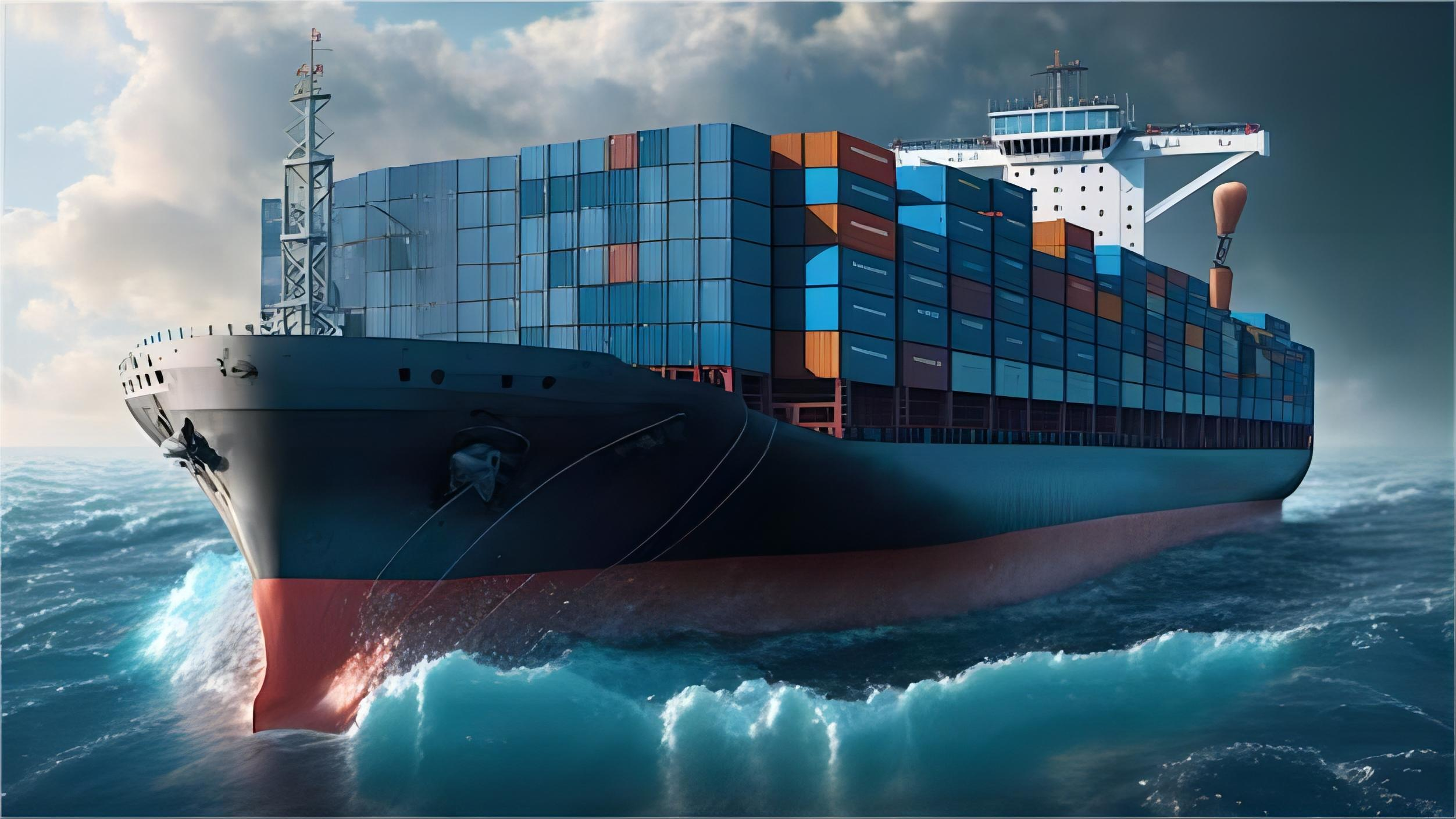
Understanding China Container Shipping Rates Factory Pickup
Factory pickup, often associated with Ex Works (EXW) terms, involves the buyer taking responsibility for the cargo from the manufacturer door. This approach allows for greater control over the logistics chain but introduces additional variables into the pricing structure. Specifically, you must account for inland trucking, loading fees, and export documentation at the origin.
Moreover, the distance between the factory and the nearest port of loading significantly impacts the total cost. Most major manufacturing hubs are located in provinces like Guangdong, Zhejiang, and Jiangsu, which offer proximity to world-class ports. Therefore, choosing the right pickup strategy can lead to substantial savings on your overall landed cost.
How Does Factory Pickup Compare to Other Shipping Options?
Analyzing different shipping terms is essential for optimizing your budget and transit times. While factory pickup offers maximum control, other methods like Free on Board (FOB) shift some responsibility to the supplier. Consequently, importers must weigh the benefits of managing their own haulage against the convenience of supplier-managed delivery to the port.
Furthermore, hybrid solutions have become increasingly popular in 2026 as businesses seek to mitigate port congestion. For example, some importers combine factory pickup with sea freight to maintain visibility throughout the journey. This strategy ensures that local delays in China do not derail the entire international transit schedule.
| Shipping Method | Cost Range | Transit Time | Best For | Limitations |
|---|---|---|---|---|
| Sea Freight (FCL) | $1,500 – $6,000 | 14 – 45 Days | Large Volume | Slower speed |
| Air Freight | $5 – $12 per kg | 3 – 7 Days | High Value | Very expensive |
| Rail Freight | $2,000 – $4,500 | 18 – 25 Days | Central Europe | Limited routes |
| Sea-Air Hybrid | $3,000 – $5,500 | 12 – 20 Days | Urgent Cargo | Complex booking |
Factors Influencing Your 2026 Shipping Costs
Market volatility continues to play a significant role in determining China container shipping rates factory pickup. For instance, fuel surcharges and seasonal demand spikes can cause prices to fluctuate by 20 percent or more within a single month. Additionally, the availability of empty containers at specific inland depots affects the cost of local haulage.
Labor costs in the Chinese logistics sector have also trended upward throughout 2025 and 2026. As a result, the price for specialized equipment like refrigerated containers or open-top units has seen a moderate increase. To summarize, staying informed about these micro-economic factors is vital for accurate budgeting and financial planning.
The Role of Customs Brokerage in Factory Pickup
Managing the export clearance process is a mandatory step when you opt for factory pickup services. Since the supplier is not responsible for the export license under EXW terms, the buyer must engage a professional customs brokerage to handle the paperwork. This ensures that all Harmonized System (HS) codes are correctly applied to avoid delays.
Indeed, improper documentation is one of the leading causes of cargo detention at Chinese ports. Professional brokers help navigate the complexities of VAT rebates and export permits required by the Chinese government. Consequently, integrating these services into your pickup plan minimizes the risk of unforeseen penalties and storage fees.
Strategic Benefits of Door to Door Solutions
Many importers find that a door to door service model simplifies the entire factory pickup experience. By consolidating all charges into a single quote, you eliminate the need to manage multiple vendors across different time zones. Furthermore, this model provides a single point of accountability for the entire shipment journey.
In addition, door-to-door providers often have better leverage with local trucking fleets in China. This translates to more reliable pickup windows and faster transit to the container yard. Ultimately, this comprehensive approach reduces the administrative burden on your team while maintaining high levels of supply chain visibility.
Realistic Case Studies for 2026
To illustrate the practical application of these strategies, we have compiled several real-world examples from the current market. These cases reflect actual scenarios encountered by global importers during the 2026 shipping season. Each example highlights the importance of choosing the right container size and route to maximize efficiency.
Case Study 1: Electronics from Ningbo to Hamburg. Route: Ningbo, China to Hamburg, Germany. Cargo: Consumer Electronics, 28 CBM, 12,000 kg. Container: 20GP. Shipping Details: – Carrier: Major carrier. – Port of Loading: Ningbo. – Port of Discharge: Hamburg. – Route Type: Direct. Cost Breakdown: – Ocean Freight: $2,250. – Origin Charges: $450. – Destination Charges: $600. – Customs and Duties: $1,200. – Total Landed Cost: $4,500. Timeline: – Booking to Loading: 4 days. – Sea Transit: 32 days. – Customs Clearance: 2 days. – Total Door-to-Door: 38 days. Key Insight: Early booking allowed for a fixed rate despite mid-month increases.
Case Study 2: Furniture from Shenzhen to Los Angeles. Route: Shenzhen, China to Los Angeles, USA. Cargo: Flat-pack Furniture, 65 CBM, 18,000 kg. Container: 40HQ. Shipping Details: – Carrier: COSCO. – Port of Loading: Yantian. – Port of Discharge: Los Angeles. – Route Type: Direct. Cost Breakdown: – Ocean Freight: $3,400. – Origin Charges: $550. – Destination Charges: $850. – Customs and Duties: $2,100. – Total Landed Cost: $6,900. Timeline: – Booking to Loading: 5 days. – Sea Transit: 16 days. – Customs Clearance: 3 days. – Total Door-to-Door: 24 days. Key Insight: Using a 40HQ instead of two 20GP containers saved approximately 15 percent on freight costs.
Case Study 3: Industrial Parts from Shanghai to Sydney. Route: Shanghai, China to Sydney, Australia. Cargo: Machinery Spare Parts, 8 CBM, 2,500 kg. Container: LCL. Shipping Details: – Carrier: Major carrier. – Port of Loading: Shanghai. – Port of Discharge: Sydney. – Route Type: Direct. Cost Breakdown: – Ocean Freight: $640. – Origin Charges: $320. – Destination Charges: $480. – Customs and Duties: $950. – Total Landed Cost: $2,390. Timeline: – Booking to Loading: 3 days. – Sea Transit: 15 days. – Customs Clearance: 2 days. – Total Door-to-Door: 20 days. Key Insight: LCL was the most economical choice for this volume compared to a full container.
Regional Price Trends and Market Intelligence
Shipping to Europe remains one of the most complex routes due to ongoing geopolitical considerations and canal transit fees. As of early 2026, rates have stabilized but remain sensitive to any shifts in carrier capacity. Meanwhile, the transpacific route to North America has seen increased competition, leading to more aggressive pricing for FCL shipments.
According to industry benchmarks, rates typically increase by 15 to 25 percent during the August to October peak season. Consequently, businesses should plan their factory pickups well in advance of these windows to secure better pricing. Market data suggests that mid-week pickups often carry lower haulage fees than weekend operations due to driver availability.
| Route | 20GP Range | 40HQ Range | Avg Transit |
|---|---|---|---|
| China to UK | $2,100 – $2,900 | $3,600 – $4,600 | 35 Days |
| China to USA East | $2,600 – $3,600 | $4,600 – $6,100 | 32 Days |
| China to Australia | $850 – $1,300 | $1,500 – $2,100 | 16 Days |
| China to SE Asia | $400 – $700 | $700 – $1,100 | 7 Days |
Which Option Should You Choose? Decision Framework
Choosing the right logistics strategy depends on your specific business priorities and cargo characteristics. If budget is your primary concern, sea freight via LCL or FCL remains the most viable option for large shipments. On the other hand, if speed is the priority, air freight or express services should be considered despite the higher costs.
For shipments destined for fulfillment centers, such as Amazon FBA, strict delivery windows must be met. In these cases, a door-to-door service with factory pickup is often the most reliable method to ensure compliance with warehouse requirements. Note: Freight rates are subject to change based on fuel costs, carrier capacity, and seasonal demand. Contact us for a current quote tailored to your specific shipment.
Mastering Your Factory Pickup Strategy
Successfully navigating China container shipping rates factory pickup requires a blend of market knowledge and strategic planning. By understanding the costs involved in inland haulage and ocean freight, you can make informed decisions that protect your profit margins. Remember that consistency in your shipping volume and early bookings are your best tools for securing favorable rates in the 2026 market.
Whether you are moving full containers or smaller LCL shipments, the right logistics partner makes all the difference. Stay proactive by monitoring market trends and adjusting your pickup schedules to avoid peak season congestion. Ultimately, a well-executed factory pickup strategy will enhance your competitive edge in the global marketplace.

Need a tailored shipping solution?
Managing China container shipping rates factory pickup doesn’t have to be a complex challenge for your business. Contact China World Cargo today to receive a personalized quote and discover how our expert logistics team can optimize your 2026 supply chain. Visit our website or send an inquiry to start your next shipment with confidence.