

China Container Shipping Rates 2026: Complete Cost Guide and Market Forecast
Navigating the complexities of international trade requires up-to-date knowledge of China World Cargo logistics solutions. As global markets evolve, understanding china container shipping rates 2026 is essential for maintaining a competitive supply chain. This guide provides a detailed analysis of costs, transit times, and strategic alternatives for modern importers.
What Factors Influence China Container Shipping Rates 2026?
Several dynamic factors determine the final price of moving goods across the ocean. Market forces in 2026 continue to be shaped by fuel price fluctuations and carrier capacity management. Indeed, the transition to greener fuels has introduced new surcharges that shippers must account for in their budgets.
Global demand for consumer goods remains the primary driver of pricing trends. Consequently, when demand spikes during peak seasons, available space on vessels decreases, leading to higher costs. Importers should monitor these shifts closely to optimize their procurement cycles.
Geopolitical stability also plays a critical role in maritime logistics. Nevertheless, the industry has developed more resilient routing strategies following the disruptions of previous years. Strategic planning now involves diversifying port options to avoid local congestion and labor issues.
Port infrastructure improvements across China have streamlined the loading process significantly. Moreover, automated terminals in Shanghai and Ningbo have reduced the time vessels spend at berth. These efficiencies help mitigate some of the inflationary pressures on base freight rates.
Current Market Trends for Global Logistics in 2026
Technological integration is the defining trend of the logistics sector this year. Many carriers now offer real-time tracking and AI-driven predictive analytics for transit times. Therefore, businesses can manage their inventory with much higher precision than in the past decade.
Environmental regulations are forcing a shift toward low-emission shipping vessels. Although these technologies require significant initial investment, they promise long-term stability in fuel surcharges. Shippers who prioritize sustainable logistics may also benefit from tax incentives in certain jurisdictions.
Digital freight platforms have democratized access to competitive pricing for small and medium enterprises. In addition, these tools allow for instant booking and documentation management. This transparency helps stabilize the market by preventing extreme price gouging during busy periods.
Consolidation among major shipping lines continues to influence market power and pricing. Furthermore, the formation of new alliances has led to more frequent sailings on major trade lanes. Importers must evaluate which alliance offers the best reliability for their specific destination.
How Does Sea Freight Compare to Other Shipping Options?
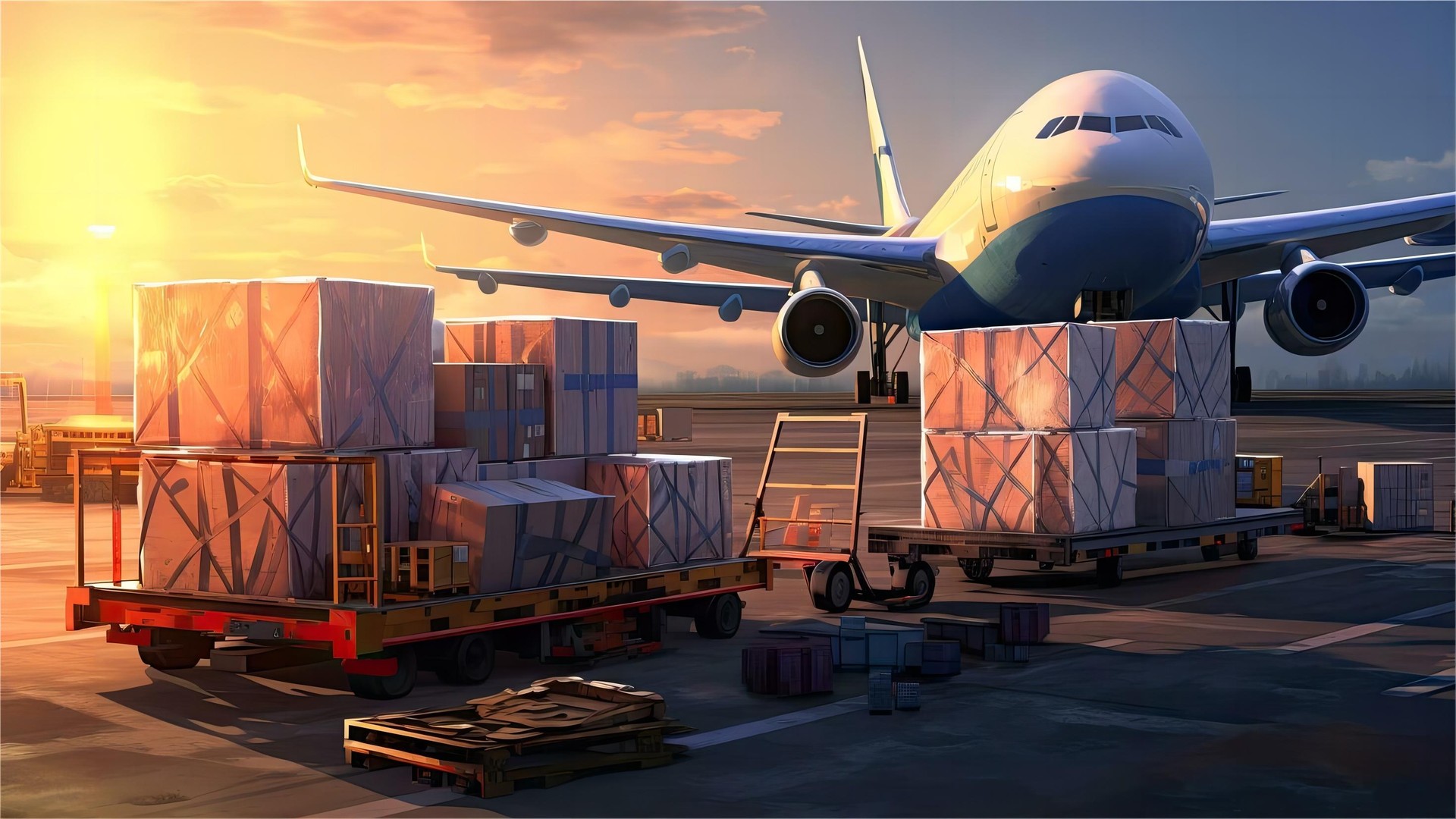
While sea freight remains the most cost-effective method for bulk cargo, it is not always the best choice. Businesses must weigh the lower cost against the longer transit times required for ocean travel. For instance, high-value electronics often justify the higher expense of air freight due to speed.
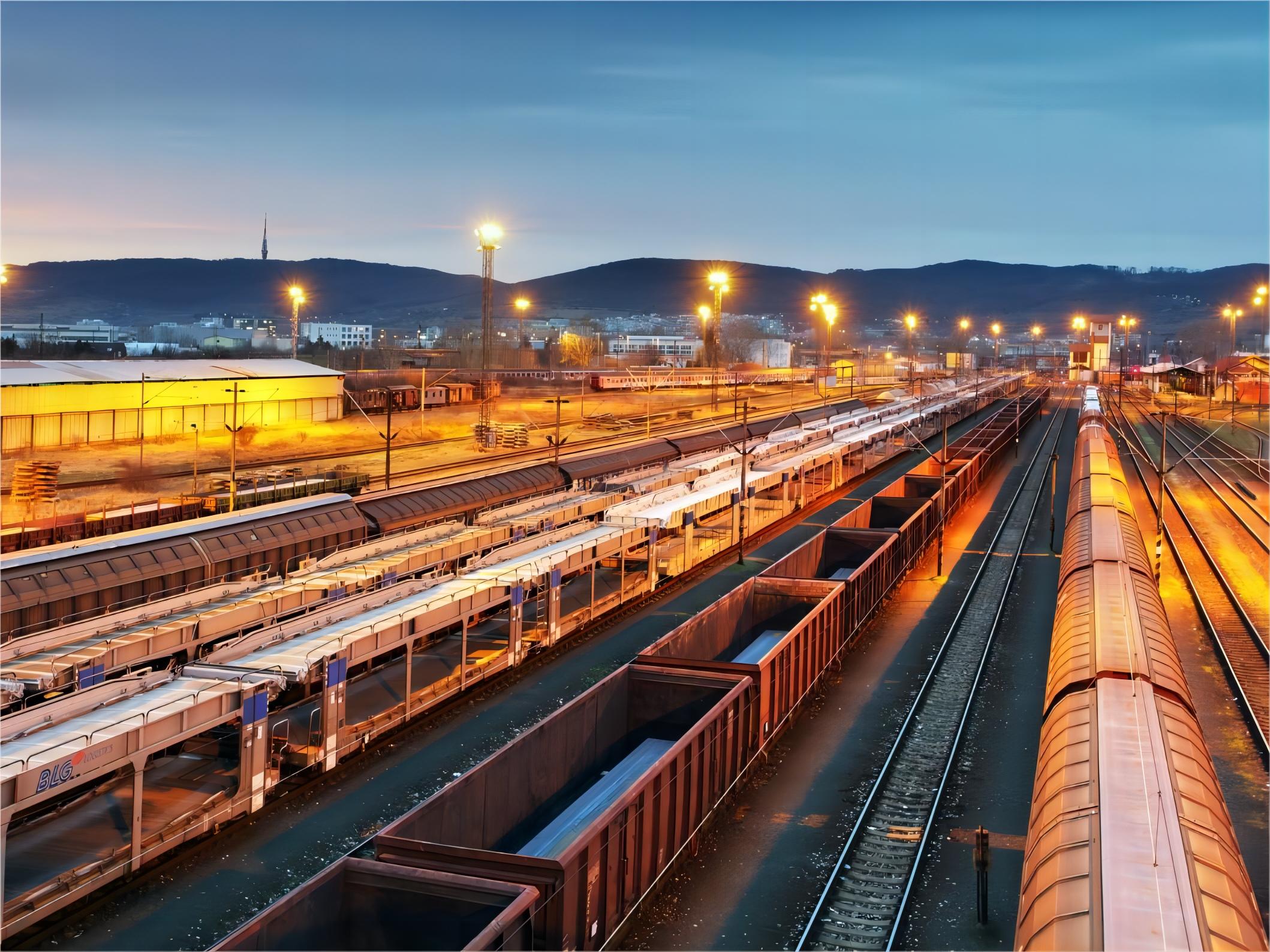
Rail freight has emerged as a viable middle ground for shipments to Central Asia and Eastern Europe. However, it lacks the massive capacity of container ships and is subject to different land-based geopolitical risks. Choosing the right method depends entirely on your budget, timeline, and cargo volume.
Hybrid solutions like sea-air combinations are gaining popularity for their balance of cost and speed. Specifically, goods are shipped by sea to a hub like Dubai and then flown to their final destination. This approach can save up to 40 percent compared to pure air freight while being twice as fast as sea freight.
| Shipping Method | Cost Range | Transit Time | Best For | Limitations |
|---|---|---|---|---|
| Sea Freight | $1,500 – $6,000 | 14 – 45 Days | Bulk Cargo | Slow Speed |
| Air Freight | $5,000 – $25,000 | 3 – 7 Days | High Value | High Cost |
| Rail Freight | $2,500 – $4,500 | 18 – 25 Days | Mid-range | Limited Routes |
| Express Service | $8,000 – $30,000 | 2 – 5 Days | Samples/Docs | Volume Limits |
Understanding FCL vs LCL Pricing Models
Full Container Load (FCL) shipping offers the lowest cost per unit for large shipments. When you book a 20GP or 40HQ container, you pay for the entire space regardless of how much you fill. Consequently, this is the preferred method for businesses moving more than 15 cubic meters of goods.
Less than Container Load (LCL) allows multiple shippers to share space within a single container. Although the rate per cubic meter is higher, it is far more economical for smaller volumes. Meanwhile, LCL involves more handling, which can slightly increase the risk of damage or delays during consolidation.
Importers must calculate the break-even point between these two methods carefully. Usually, once a shipment exceeds 13 to 15 cubic meters, switching to a 20-foot FCL container becomes more cost-effective. Furthermore, FCL provides better security as the container is sealed from the point of origin to the destination.
China to North America: Transit Times and Costs
Shipping to the West Coast of the United States remains the fastest route for trans-Pacific trade. Typical transit times from Shenzhen to Los Angeles hover around 14 to 18 days in 2026. On the other hand, shipping to the East Coast via the Panama Canal can take 30 to 35 days.
Freight rates for North American routes are sensitive to seasonal peaks like the Golden Week and the Lunar New Year. During these times, prices can increase by 20 percent or more due to limited vessel space. Therefore, booking at least four weeks in advance is highly recommended for all trans-Pacific shipments.
Customs procedures in the United States and Canada require strict adherence to documentation standards. Indeed, errors in the Bill of Lading or Commercial Invoice can lead to expensive storage fees at the port. Professional freight forwarders can help navigate these regulatory hurdles to ensure smooth delivery.
Shipping from China to Europe: 2026 Price Forecast
Importers looking to move goods to Europe face unique challenges regarding route stability. As of early 2026, rates have stabilized following the resolution of previous maritime disruptions. However, environmental surcharges are slightly higher for European ports due to strict carbon emission regulations.
Transit times to major hubs like Rotterdam, Hamburg, and Felixstowe typically range from 28 to 38 days. Moreover, the use of larger vessels on these routes helps keep the cost per container relatively competitive. Shippers should consider the total landed cost, including inland transport from the port to the final warehouse.
Direct sailings are available from all major Chinese ports, including Shanghai, Ningbo, and Qingdao. In contrast, transshipment via Singapore or Colombo might offer lower rates but adds 5 to 7 days to the schedule. Choosing between these options depends on the urgency of your inventory needs.
| Route | 20GP Rate | 40GP Rate | 40HQ Rate | Transit |
|---|---|---|---|---|
| China to USA West | $1,500-2,200 | $2,500-3,500 | $2,800-3,800 | 14-18 Days |
| China to Europe | $1,800-2,500 | $2,800-3,800 | $3,000-4,200 | 28-35 Days |
| China to UK | $2,000-2,800 | $3,200-4,200 | $3,500-4,500 | 30-38 Days |
| China to Australia | $800-1,200 | $1,200-1,800 | $1,400-2,000 | 12-18 Days |
Can You Save Money on Customs Brokerage and Duties?
Efficient customs brokerage is a vital component of a cost-effective shipping strategy. By accurately classifying goods under the correct HS codes, importers can avoid overpaying on duties. Furthermore, knowledgeable brokers can identify trade agreements that might lower or eliminate tariffs entirely.
Compliance with local regulations prevents costly delays and potential fines from customs authorities. Consequently, investing in professional brokerage services often pays for itself through the avoidance of penalties. Importers should maintain a clear audit trail of all documentation for at least five years.
Digital customs filing systems have significantly accelerated the clearance process in 2026. Indeed, many shipments are now cleared before the vessel even arrives at the port of discharge. This speed reduces the risk of demurrage and detention charges, which can accumulate quickly if goods are held up.
Why Choose Door to Door Logistics for Your Cargo?
Selecting a door to door service simplifies the entire supply chain by providing a single point of contact. This comprehensive solution covers everything from factory pickup in China to final delivery at your warehouse. As a result, businesses can focus on sales and marketing rather than managing multiple logistics providers.
Consolidated invoicing under a door to door model makes financial planning much easier for small businesses. Instead of receiving separate bills for ocean freight, trucking, and customs, you receive one transparent quote. Moreover, this approach reduces the likelihood of communication gaps between different service providers.
Reliability is the primary benefit of end-to-end logistics management. Since one company handles the entire journey, they can quickly pivot if issues arise at any stage. This level of accountability is essential for maintaining high customer satisfaction levels in a competitive market.
Real-World Case Studies: 2026 Shipping Success Stories
Case Study 1: Electronics from Shenzhen to Los Angeles. Route: Shenzhen to Los Angeles. Cargo: Consumer Electronics, 25 CBM, 5000 kg. Container: 40GP. Shipping Details: Direct service via major carrier. Port of Loading: Shenzhen. Port of Discharge: Los Angeles. Cost Breakdown: Ocean Freight $3,200, Origin Charges $400, Destination Charges $600, Customs $200. Total Landed Cost: $4,400. Timeline: Total Door-to-Door 22 days. Key Insight: Early booking during Q3 saved the client 15 percent compared to peak rates.
Case Study 2: Furniture from Ningbo to Hamburg. Route: Ningbo to Hamburg. Cargo: Home Furniture, 68 CBM, 8000 kg. Container: 40HQ. Shipping Details: Transshipment via Singapore. Port of Loading: Ningbo. Port of Discharge: Hamburg. Cost Breakdown: Ocean Freight $4,100, Origin Charges $450, Destination Charges $700, Customs $300. Total Landed Cost: $5,550. Timeline: Total Door-to-Door 42 days. Key Insight: Utilizing a 40HQ container maximized volume efficiency, reducing the cost per unit significantly.
Case Study 3: Industrial Parts from Shanghai to Sydney. Route: Shanghai to Melbourne. Cargo: Machine Parts, 12 CBM, 2000 kg. Container: LCL. Shipping Details: Direct service. Port of Loading: Shanghai. Port of Discharge: Melbourne. Cost Breakdown: Ocean Freight $1,450, Origin Charges $300, Destination Charges $500, Customs $200. Total Landed Cost: $2,450. Timeline: Total Door-to-Door 25 days. Key Insight: LCL was the most economical choice for this volume, avoiding the higher cost of a full container.
Which Option Should You Choose for Your Business?
Choosing the right shipping strategy requires a clear understanding of your business priorities. If budget is the main concern, sea freight remains the undisputed leader for large volumes. However, if speed is critical to meet market demand, air freight or express services are necessary despite the higher costs.
Volume thresholds should dictate your choice between FCL and LCL methods. Specifically, once your shipment fills more than half of a 20-foot container, FCL usually offers better value and security. For smaller, frequent shipments, LCL provides the flexibility needed to maintain consistent inventory levels.
Hybrid solutions and rail freight offer alternatives that can bridge the gap between cost and speed. Importers should analyze their supply chain data to see where these methods might provide a competitive advantage. Ultimately, a balanced approach using multiple modes of transport often yields the most resilient results.
| Priority | Recommended Method | Key Benefit | Trade-off |
|---|---|---|---|
| Lowest Cost | Sea Freight (FCL) | Economy of Scale | Longest Transit |
| Max Speed | Air Freight | Rapid Delivery | Highest Expense |
| Flexibility | Sea Freight (LCL) | Pay for Space Used | Higher Risk |
| Reliability | Door to Door | Simplified Process | Less Control |
Final Thoughts on China Container Shipping Rates 2026
To summarize, china container shipping rates 2026 are influenced by a complex interplay of fuel costs, environmental regulations, and global demand patterns. Importers who stay informed about these trends can make better strategic decisions to protect their profit margins. Furthermore, leveraging technology and professional logistics services is essential for navigating the modern shipping landscape.
Successful logistics management in 2026 requires a proactive approach to planning and a willingness to explore alternative shipping methods. Whether you choose sea, air, or rail, understanding the total landed cost is the key to sustainable growth. Stay ahead of the competition by partnering with experts who can provide accurate, real-time market intelligence.
Ready to streamline your logistics?
For a personalized analysis of china container shipping rates 2026 and to secure the most competitive pricing for your cargo, contact our expert team today. Visit our website to request a comprehensive quote tailored to your specific logistics needs. Let us help you optimize your supply chain for the modern global market. Visit: https://chinaworldcargo.com/contact/
Request Quote