
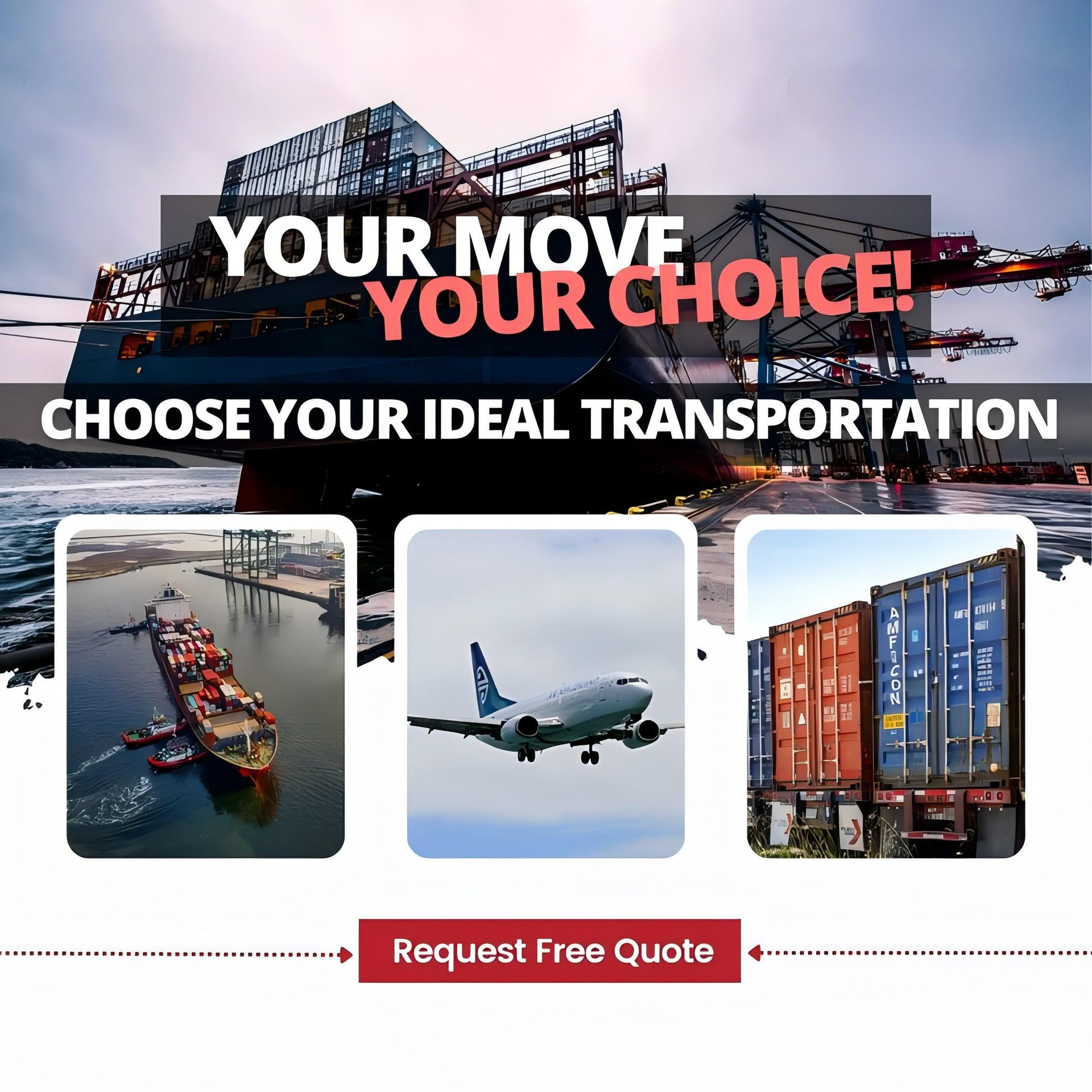
China to Europe Freight Service for Importers: 2026 Shipping Guide
Navigating the complexities of international logistics requires a reliable partner to ensure your goods arrive safely and on time. As we move through 2026, finding an efficient China to Europe freight service for importers has become the cornerstone of successful retail and manufacturing operations. Many businesses face challenges with fluctuating fuel surcharges and changing customs regulations across different borders. However, selecting the right logistics strategy can significantly reduce your landed costs and improve delivery reliability. This guide provides a comprehensive overview of modern shipping solutions tailored for the European market.
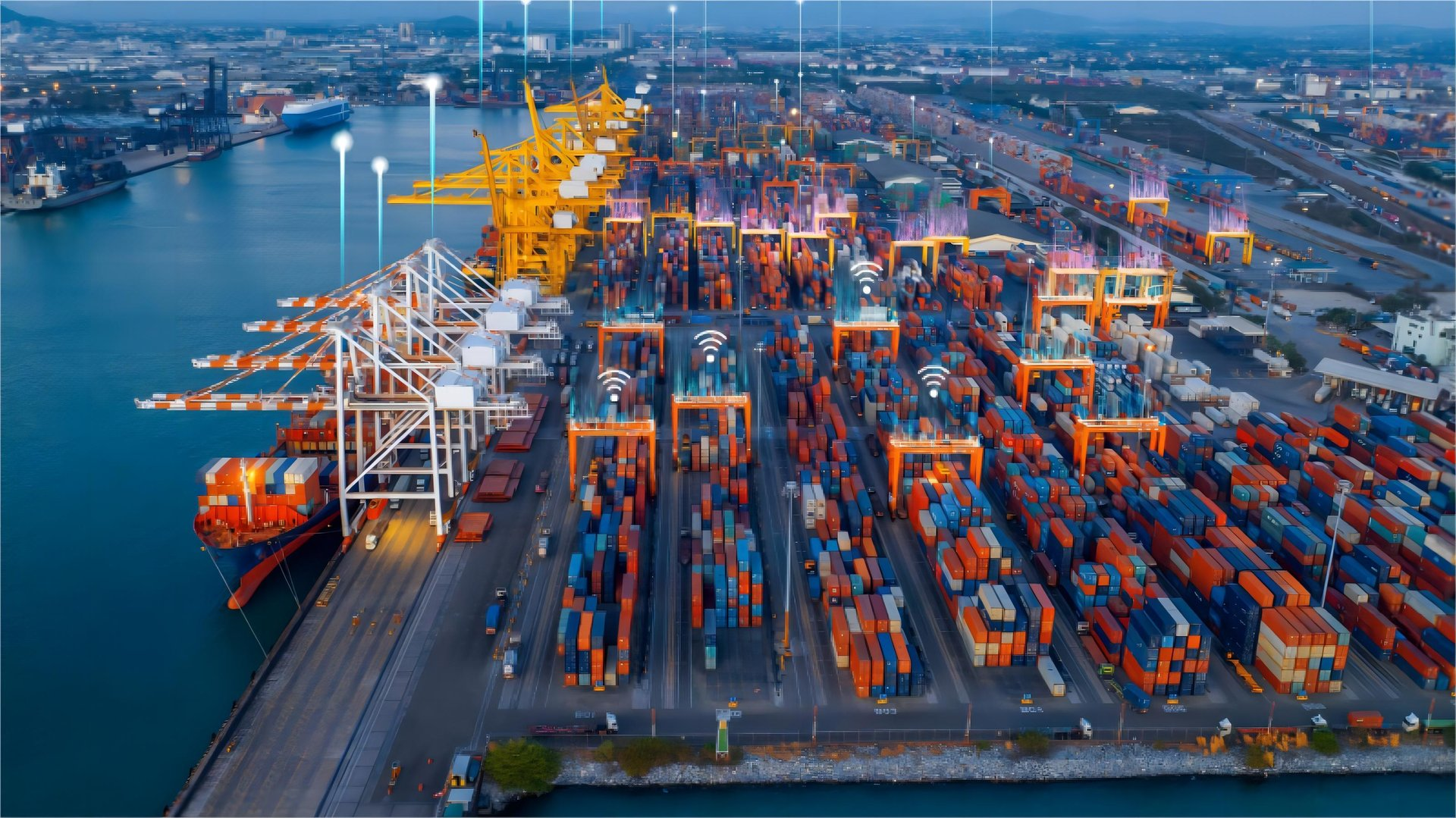
What Defines a Quality China to Europe Freight Service for Importers?
Importers must evaluate several factors when choosing a logistics provider to handle their valuable cargo. Reliability remains the most critical metric, especially given the historical volatility of global trade routes. Therefore, a professional service should offer real-time tracking and transparent communication throughout the journey.
Moreover, the ability to handle various cargo types, from electronics to oversized machinery, distinguishes top-tier providers. You should look for companies that demonstrate expertise in both origin and destination requirements. Consequently, this ensures that your supply chain remains resilient against local port strikes or seasonal congestion.
Additionally, cost-effectiveness does not always mean choosing the lowest price. Instead, it involves finding a balance between transit speed and budgetary constraints. A high-quality service provides multiple options, allowing you to pivot between modes as your inventory needs change.
Evaluating Sea Freight for Large Volume Shipments
Ocean transport continues to be the primary method for moving massive quantities of goods across the globe. For most businesses, sea freight offers the most economical solution for non-urgent inventory. Typically, this method is ideal for commodities where the shipping cost per unit must remain as low as possible.
Importers can choose between Full Container Load (FCL) and Less than Container Load (LCL) depending on their volume. While FCL provides more security and faster handling, LCL allows smaller businesses to share container space and reduce overhead. Indeed, the flexibility of ocean shipping makes it a staple for long-term planning.
However, transit times for sea routes are the longest among all available modes. You should expect a duration of 30 to 45 days depending on the specific European port of discharge. Planning your production schedules well in advance is essential to avoid stockouts during peak seasons.
| Shipping Mode | Avg. Cost (2026) | Transit Time | Best For |
|---|---|---|---|
| Sea Freight (FCL) | $3,000 – $4,500 | 30-40 Days | Bulk Goods |
| Rail Freight | $4,500 – $6,500 | 18-22 Days | Mid-value Cargo |
| Air Freight | $5.50 – $9.00/kg | 5-8 Days | Urgent Items |
| Express | $9.00 – $14.00/kg | 3-5 Days | Small Samples |

Rail Freight: The Middle Ground for Modern Logistics
The expansion of the Silk Road initiatives has made rail freight an increasingly popular choice for European importers. This method fills the gap between the slow speed of sea transport and the high cost of air transport. For instance, rail shipments from central China can reach Germany or Poland in just under three weeks.
Moreover, rail transport is generally more environmentally friendly than air or sea options. Many corporations now prioritize sustainable logistics to meet their ESG goals and consumer expectations. Consequently, rail freight provides a competitive advantage for brands focusing on green supply chains.
Nevertheless, rail capacity can be limited during peak periods such as the weeks leading up to the Lunar New Year. Importers should secure their bookings at least 14 days in advance to ensure space on the train. This proactive approach helps maintain a steady flow of goods into the European market.
When Should You Utilize Air Freight Services?
Speed is the primary driver for choosing air freight in your international trade operations. When you have high-value electronics, fashion items, or emergency spare parts, the cost of a delay often outweighs the shipping expense. Therefore, air transport serves as a vital tool for maintaining high service levels.
Furthermore, the security levels at air cargo terminals are significantly higher than at sea ports. This reduces the risk of theft or damage for sensitive equipment and luxury goods. Accordingly, many premium brands exclusively use air transport to ensure their products arrive in pristine condition.
In contrast, the carbon footprint and price per kilogram are much higher than other methods. Importers must calculate their margins carefully to ensure that air shipping remains a viable long-term strategy. For many, it is used as a supplementary method to fill inventory gaps during unexpected demand spikes.
Navigating Customs Brokerage and European Compliance
The complexity of European import regulations requires specialized knowledge to avoid costly delays at the border. Utilizing a professional customs brokerage service ensures that all documentation is accurate and compliant. Specifically, having the correct HS codes and VAT declarations is essential for smooth entry into the EU.
Additionally, different European countries may have specific local requirements even within the broader Union. A seasoned broker understands these nuances and can advise on the best ports of entry to minimize inspections. For example, entering through Rotterdam or Hamburg often provides efficient access to the rest of the continent.
Consequently, failing to manage customs properly can lead to storage fees and even cargo seizure. Importers should verify that their freight forwarder has a robust network of licensed brokers at all major European gateways. This expertise transforms a potential bottleneck into a streamlined part of the delivery process.
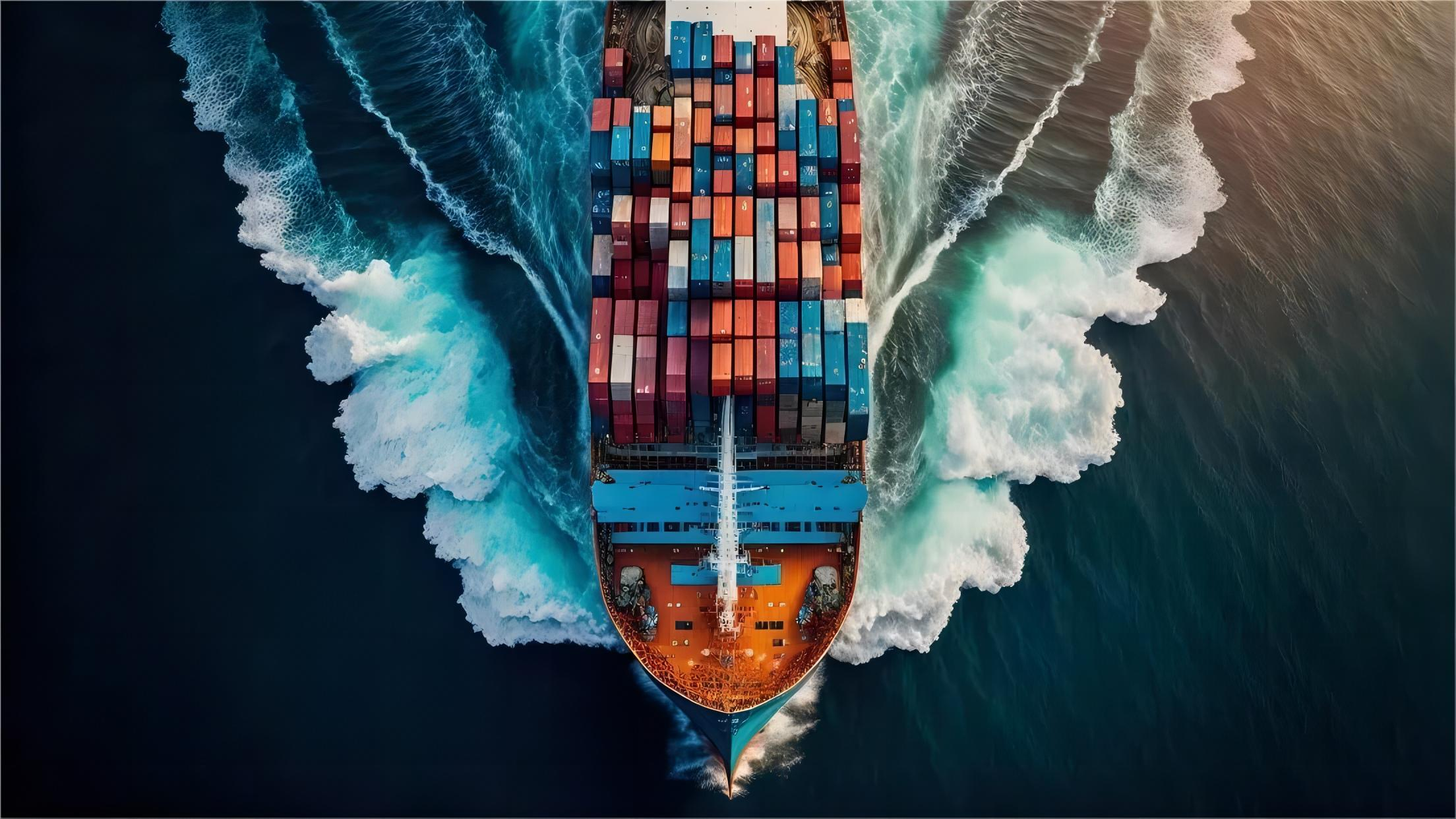
The Benefits of Door-to-Door Logistics Solutions
Many modern businesses prefer a seamless experience where the logistics provider manages every step of the journey. A door to door service eliminates the need for the importer to coordinate with multiple local trucking companies. Instead, one single point of contact handles the pickup in China and the final delivery in Europe.
Moreover, this integrated approach often results in better overall rates due to the provider’s bulk purchasing power. It also simplifies the tracking process, as you only need to monitor one system for the entire transit. Indeed, this convenience allows business owners to focus on sales and marketing rather than logistics minutiae.
However, you must ensure that your provider has a strong last-mile delivery network in your specific European region. Whether you are shipping to a remote warehouse or a city-center retail store, the final leg is often the most critical. Reliable local partners ensure that the goods are handled with care until they reach their final destination.
How Does Sea Freight Compare to Other Shipping Options?
Choosing the right method depends entirely on your specific business needs and the nature of your products. While sea freight is the budget leader, its long transit time can tie up your capital for over a month. On the other hand, air freight releases that capital quickly but at a significant premium.
Hybrid solutions like sea-air or rail-sea combinations have emerged as effective alternative strategies in 2026. These methods allow importers to optimize both speed and cost by switching modes at strategic hubs like Dubai or Singapore. For instance, you might ship by sea to a hub and then fly the goods the rest of the way to save 10 days.
According to industry benchmarks, the decision often comes down to the value-to-weight ratio of the cargo. Low-value, heavy items almost always belong on a ship. Conversely, high-value, lightweight items are better suited for air or express services to maximize inventory turnover.
| Strategy | Cost Level | Speed | Reliability |
|---|---|---|---|
| Direct Sea | Low | Slow | Moderate |
| Direct Rail | Medium | Moderate | High |
| Sea-Air Hybrid | Medium-High | Fast | High |
| Direct Air | High | Very Fast | Very High |
Which Option Should You Choose?
If your priority is the absolute lowest cost, sea freight remains the undisputed winner for large volumes. However, if you are launching a new product and need it in stores within two weeks, air freight is your only viable path. Meanwhile, rail freight offers a sustainable and relatively fast option for consistent weekly shipments.
Volume thresholds also play a role in your decision framework. For shipments under 100kg, express couriers are often more efficient than traditional freight. Once you exceed 500kg, the price break for air freight becomes more attractive, and above 2 CBM, sea or rail usually offer the best value.
Cargo type considerations are equally important. Perishable goods or sensitive chemical components may require the temperature-controlled environments found in specialized air or sea containers. Always consult with your logistics partner to determine the specific technical requirements for your items.
Realistic Case Studies: 2026 Shipping Scenarios
Case Study 1: Electronics Components to Germany. Route: Shenzhen to Hamburg. Cargo: 15 CBM of sensors, 3,200 kg. Method: Rail Freight. Total Landed Cost: $7,200. Transit Time: 21 days. Key Insight: Rail provided the necessary speed to meet a production deadline without the extreme cost of air freight.
Case Study 2: Fast Fashion Inventory to France. Route: Shanghai to Paris. Cargo: 500 kg of apparel. Method: Air Freight. Total Landed Cost: $4,800. Transit Time: 6 days. Key Insight: Using air freight allowed the brand to capitalize on a viral trend before the market shifted.
Case Study 3: Furniture Wholesale to Poland. Route: Ningbo to Gdansk. Cargo: 40HQ Container. Method: Sea Freight. Total Landed Cost: $4,100. Transit Time: 38 days. Key Insight: Advanced booking during the Q1 slack season saved the importer 15% compared to peak Q3 rates.
Final Thoughts on Importing to Europe
Selecting the most efficient China to Europe freight service for importers is a strategic decision that impacts your entire bottom line. By understanding the trade-offs between sea, rail, and air freight, you can build a more resilient and flexible supply chain. Remember to account for customs compliance and last-mile delivery to ensure a truly seamless experience.
As market conditions continue to evolve in 2026, staying informed about logistics trends and pricing is essential. Partnering with an experienced freight forwarder will help you navigate these changes and maintain a competitive edge in the European market. Note: Freight rates are subject to change based on fuel costs, carrier capacity, and seasonal demand. Contact us for a current quote tailored to your specific shipment.

Ready to streamline your logistics?
Are you ready to optimize your supply chain with a reliable China to Europe freight service for importers? Our team at China World Cargo provides tailored logistics solutions to meet your specific business needs in 2026. Contact us today to receive a personalized quote and discover how we can streamline your international shipping process. Visit our website to learn more about our comprehensive service offerings and start saving on your freight costs.
Request Quote