
China Railway Freight Service International Shipping: Complete 2026 Guide
Optimizing your supply chain requires a delicate balance between speed and expenditure. Many businesses now turn to China World Cargo to navigate the complexities of modern logistics. Specifically, China railway freight service international shipping has emerged as the premier middle-ground solution for global trade in 2026.

What is China Railway Freight Service International Shipping?
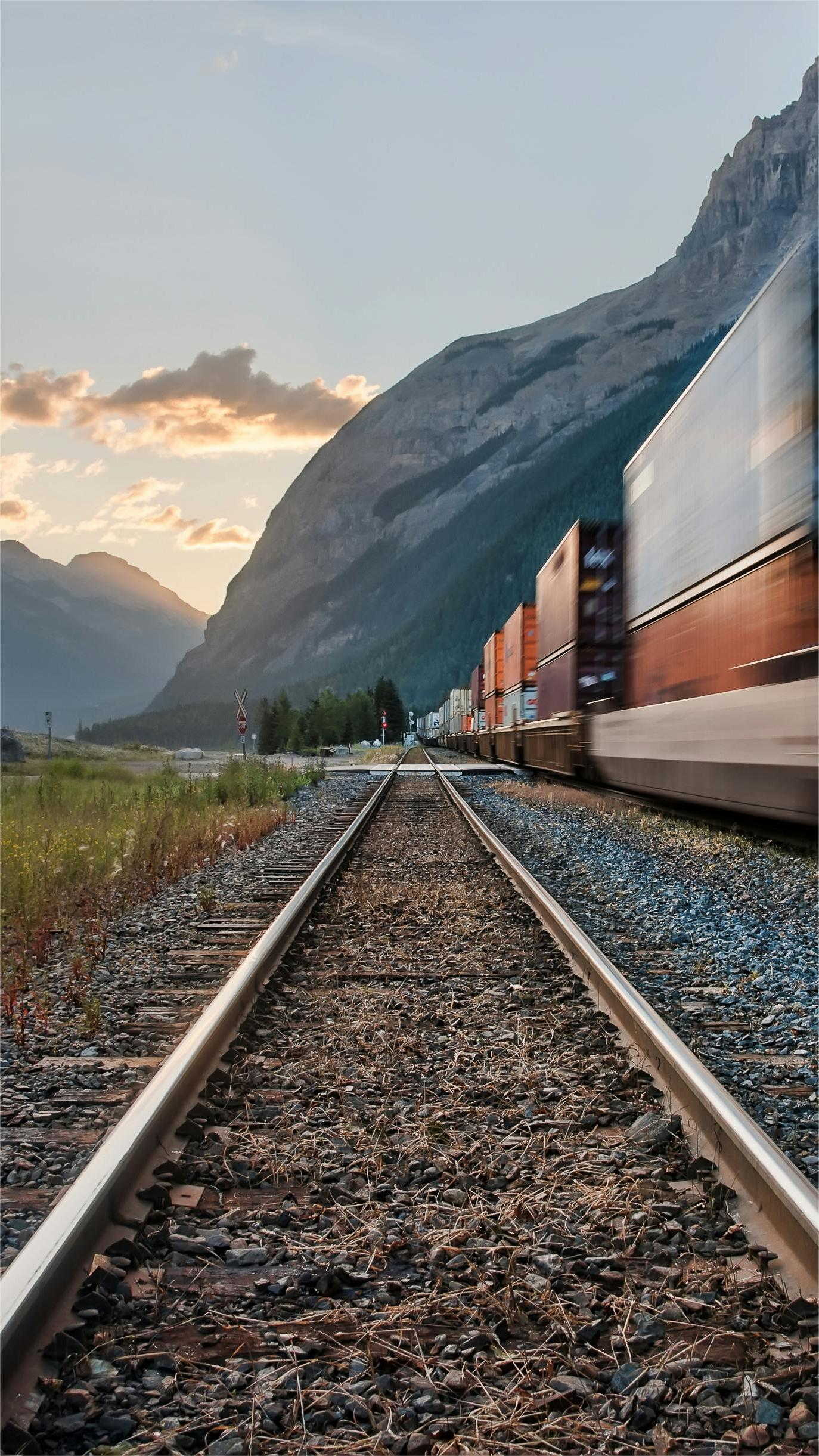
China railway freight service international shipping refers to the transport of goods via the extensive Trans-Eurasian rail network. This network connects major Chinese industrial hubs like Xi’an, Chengdu, and Zhengzhou directly to European and Central Asian destinations. Furthermore, this method utilizes the Silk Road Economic Belt to facilitate faster land-based trade.
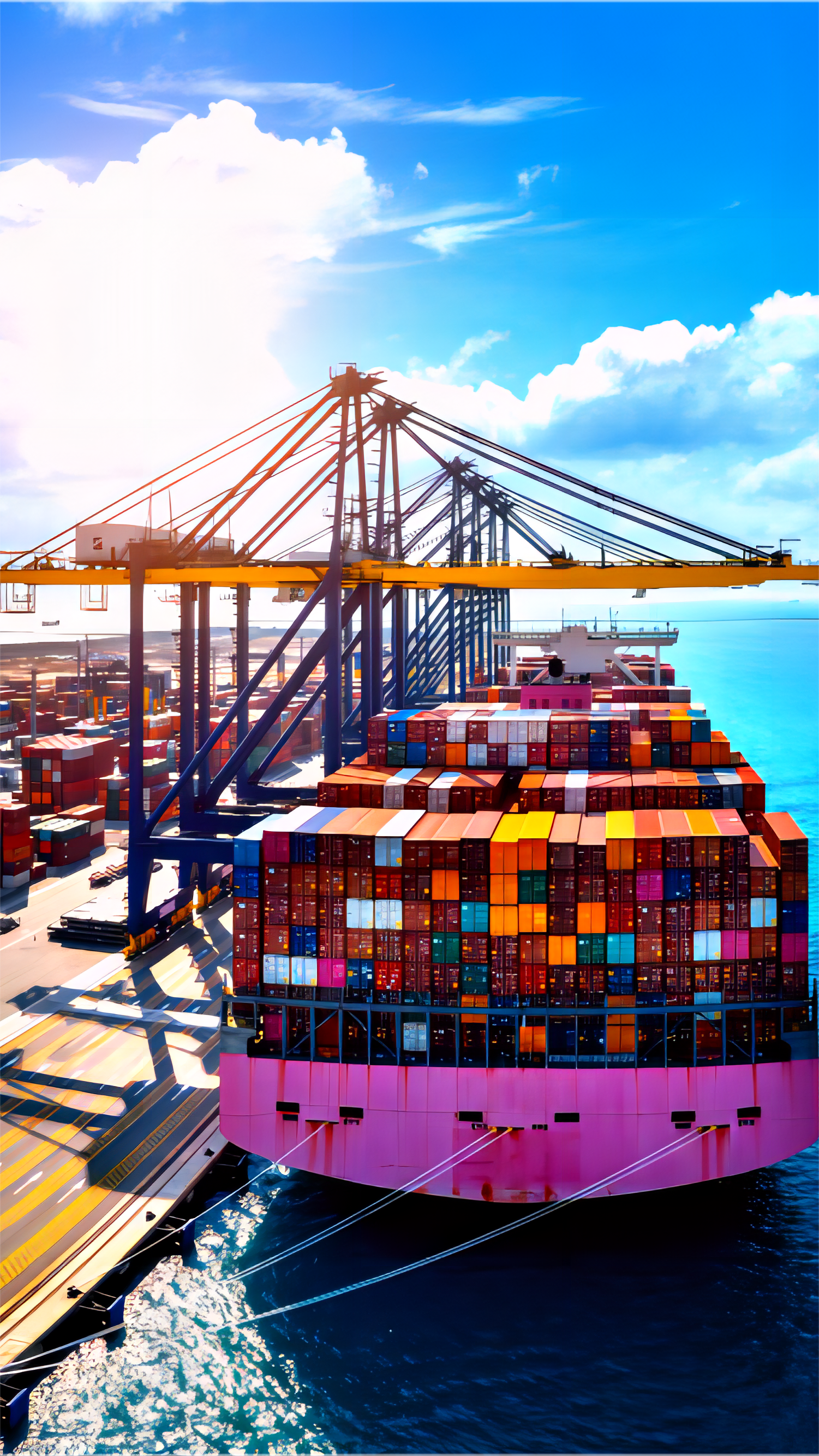
Logistics managers often prefer this mode because it bypasses the congestion found at major seaports. Consequently, the reliability of schedules has improved significantly as of early 2026. Indeed, the integration of smart tracking technology allows for real-time monitoring across multiple borders.
Moreover, the environmental impact of rail is considerably lower than air transport. Businesses focusing on sustainability goals find that rail freight offers a greener alternative without sacrificing too much speed. This balance is critical for modern ESG reporting requirements.
How Does Rail Compare to Other Shipping Options?
Choosing the right transport mode depends heavily on your specific budget and timeline constraints. While sea freight remains the most economical choice for massive volumes, it often suffers from longer transit times. In contrast, air freight provides unmatched speed but at a much higher price point.
Rail serves as a strategic bridge between these two extremes. For instance, a shipment from Shanghai to Hamburg might take 35 days by sea but only 15 to 18 days by rail. Therefore, rail is ideal for high-value electronics or seasonal apparel that cannot wait for a ship but does not justify air costs.
Additionally, market data from Q1 2026 suggests that rail rates have stabilized following the infrastructure upgrades of 2025. This stability allows for better financial planning and predictable landed costs for importers.
| Shipping Method | Cost Range | Transit Time | Best For | Limitations |
|---|---|---|---|---|
| Rail Freight | Moderate ($3,000 – $4,500) | 15 – 20 Days | High-value goods | Landlocked routes |
| Sea Freight | Low ($1,800 – $2,800) | 30 – 45 Days | Bulk commodities | Port congestion |
| Air Freight | High ($15,000+) | 3 – 7 Days | Urgent samples | Weight limits |
Key Benefits of Using China Railway Freight Service International Shipping
Reliability is perhaps the most significant advantage of the current rail infrastructure. Unlike ocean vessels, trains are less susceptible to extreme weather conditions that cause maritime delays. As a result, delivery schedules are often met with a 95 percent accuracy rate in 2026.
Security is another major factor for international shippers. Modern block trains are sealed at the point of origin and remain intact until they reach the destination terminal. Consequently, the risk of cargo theft or damage during transshipment is greatly reduced compared to traditional sea routes.
Furthermore, the geographical reach of rail has expanded. New terminals in Central and Eastern Europe provide direct access to markets that were previously difficult to reach efficiently. This expansion supports more diverse supply chain strategies for global enterprises.
Understanding the Costs of Rail Freight in 2026
Pricing for China railway freight service international shipping is influenced by several variables including fuel surcharges and seasonal demand. Typically, rates are calculated per container (FCL) or per cubic meter (LCL). In early 2026, the market has seen a shift toward more transparent all-in pricing models.
During peak seasons, such as the months leading up to the year-end holidays, prices may increase by 15 to 20 percent. Nevertheless, rail remains more cost-effective than air for shipments exceeding 500 kilograms. It is always advisable to secure bookings at least three weeks in advance to lock in the best rates.
Note: Freight rates are subject to change based on fuel costs, carrier capacity, and seasonal demand. Contact us for a current quote tailored to your specific shipment.
| Route | 20GP Container | 40HQ Container | Transit Time |
|---|---|---|---|
| China to Germany | $2,200 – $2,900 | $3,800 – $4,600 | 16 – 19 Days |
| China to Poland | $2,000 – $2,700 | $3,500 – $4,300 | 14 – 17 Days |
| China to France | $2,400 – $3,100 | $4,000 – $4,900 | 18 – 22 Days |
Which Option Should You Choose?
Selecting the right method requires a clear understanding of your priorities. If your primary goal is budget optimization and your lead times are flexible, sea freight is the logical choice. However, if you are facing a stock-out situation, the speed of rail can save your retail season.
Cargo type also plays a vital role in this decision. For instance, hazardous materials or oversized machinery may face stricter regulations on rail compared to sea. On the other hand, temperature-controlled goods often perform better in specialized reefer containers on trains due to shorter transit durations.
Volume thresholds are another consideration. For shipments between 1 and 15 cubic meters, LCL rail services provide a perfect balance of cost and efficiency. Once you exceed 15 cubic meters, a full 20-foot container often becomes more economical.
Real-World Case Studies in 2026
Examining actual shipping scenarios helps illustrate the practical application of these services. Below are two examples based on Q1 2026 market conditions and actual logistics performance data.
These cases highlight how different businesses utilize China railway freight service international shipping to solve specific logistics challenges. Each scenario includes detailed breakdowns of costs and timelines to provide a realistic benchmark for your own operations.
Case Study 1: Electronics Distribution to Germany
Route: Xi’an, China to Hamburg, Germany. Cargo: Consumer electronics, 25 CBM, 4,500 kg. Container: 1 x 40HQ (shared/LCL). Shipping Details: Major block train service via Alashankou. Port of Loading: Xi’an Inland Port. Port of Discharge: Hamburg Billwerder.
Cost Breakdown: Rail Freight: $4,200. Origin Charges: $450. Destination Charges: $600. Customs and Duties: $1,200. Total Landed Cost: $6,450. Timeline: Booking to Loading: 4 days. Rail Transit: 16 days. Customs Clearance: 2 days. Total Door-to-Door: 22 days.
Key Insight: Using rail allowed the client to restock inventory two weeks faster than sea freight, preventing a significant loss in sales during a product launch.
Case Study 2: Automotive Components to Poland
Route: Chengdu, China to Warsaw, Poland. Cargo: Car parts, 65 CBM, 12,000 kg. Container: 1 x 40HQ FCL. Shipping Details: Direct express rail service. Port of Loading: Chengdu International Railway Port. Port of Discharge: Warsaw Terminal.
Cost Breakdown: Rail Freight: $3,900. Origin Charges: $350. Destination Charges: $500. Customs and Duties: $2,100. Total Landed Cost: $6,850. Timeline: Booking to Loading: 3 days. Rail Transit: 14 days. Customs Clearance: 1 day. Total Door-to-Door: 18 days.
Key Insight: The direct route to Poland minimized handling risks, ensuring that sensitive mechanical components arrived in perfect condition.
Navigating Customs and Documentation
International shipping involves complex regulatory frameworks that vary by country. Consequently, having a reliable customs brokerage partner is essential for a smooth experience. You must ensure all commercial invoices, packing lists, and certificates of origin are meticulously prepared.
Specifically for rail, the SMGS consignment note is a critical document. This document governs the contract of carriage across different railway jurisdictions. Errors in this paperwork can lead to significant delays at border crossings like the China-Kazakhstan border.
Furthermore, 2026 has seen stricter enforcement of digital documentation. Most customs authorities now require electronic pre-filing of cargo data. Failure to comply with these digital standards can result in fines or the seizure of goods.

Comprehensive Door-to-Door Solutions
The final mile is often the most challenging part of any international shipment. Therefore, many businesses opt for door-to-door shipping to simplify the process. This service covers everything from the initial pickup at the factory in China to the final delivery at your warehouse.
By integrating drayage and rail transport, you reduce the number of touchpoints for your cargo. This integration naturally leads to fewer opportunities for damage and a more streamlined communication chain. You only have to deal with one logistics provider for the entire journey.
Moreover, door-to-door services often include insurance and temporary warehousing. These added features provide peace of mind, especially when dealing with high-value international shipments across multiple continents.
The Future of International Logistics
To summarize, China railway freight service international shipping offers a unique and powerful alternative to traditional sea and air transport. By providing a reliable, cost-effective, and faster middle-ground, it has become indispensable for modern trade.
As infrastructure continues to improve throughout 2026, the benefits of rail will only increase. Whether you are moving electronics, automotive parts, or consumer goods, the rail network provides the stability your business needs. Partnering with an experienced freight forwarder ensures you can leverage these advantages to their fullest potential.
Start Your Shipment
Streamline your global logistics today with our expert China railway freight service international shipping solutions. Contact the team at China World Cargo to receive a customized quote and optimize your 2026 supply chain strategy. Send Inquiry
Request Quote