
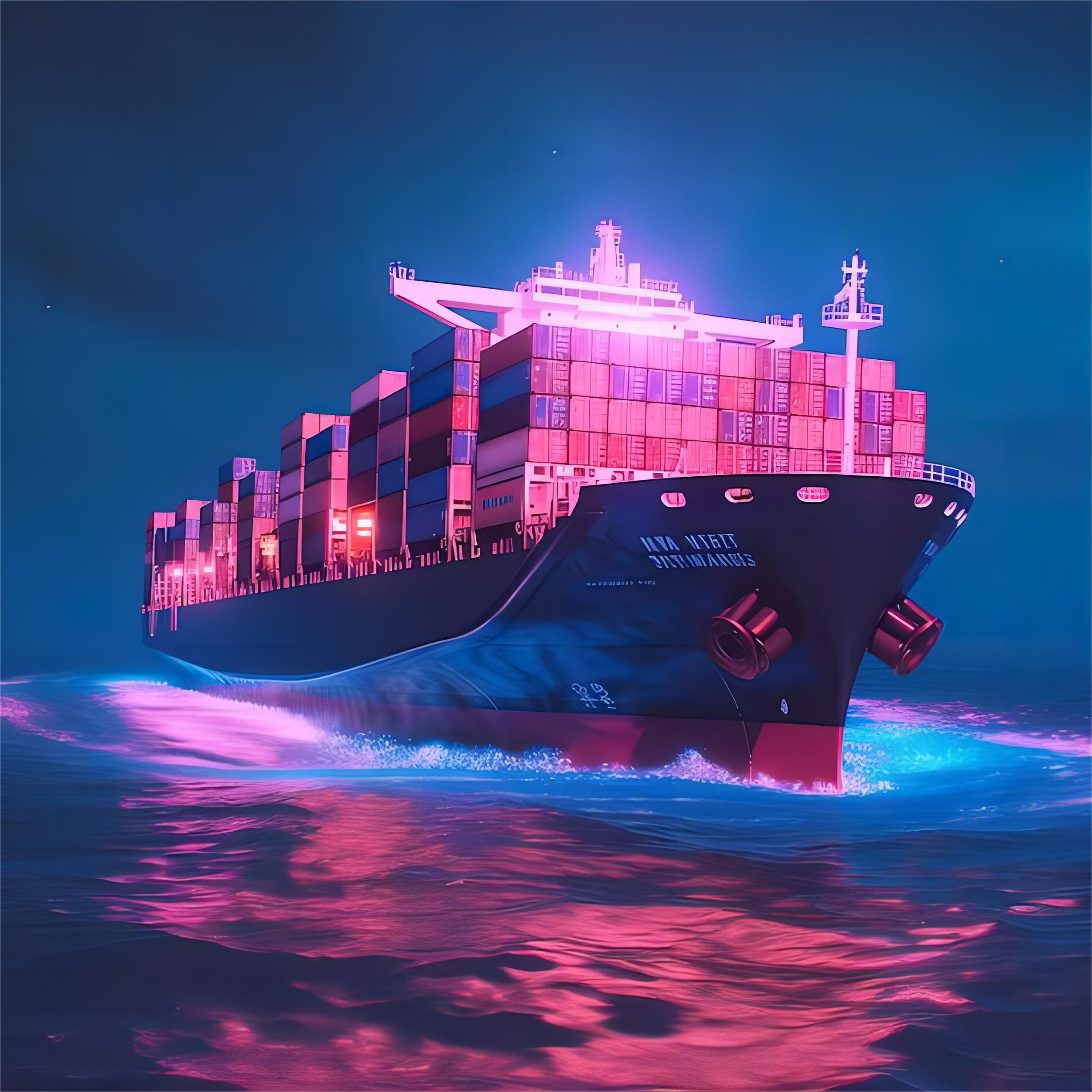
China Global Logistics Service for Importers: 2026 Strategic Guide
Navigating the complexities of international trade in 2026 requires more than just a shipping provider; it demands a comprehensive china global logistics service for importers that adapts to a rapidly changing market. As global trade volumes hit record highs, businesses must secure reliable partnerships to manage the intricacies of sourcing and transport from Asian manufacturing hubs. By choosing China World Cargo, you gain access to a network designed to streamline your operations and reduce overhead costs significantly. This guide explores how to leverage professional logistics to ensure your goods arrive safely and on schedule.
✦
Why You Need a Professional China Global Logistics Service for Importers
Modern supply chains face unprecedented challenges ranging from fluctuating fuel costs to evolving regulatory frameworks. Specifically, a dedicated china global logistics service for importers provides the necessary oversight to prevent costly delays at major exit points like Ningbo or Shanghai. Without expert guidance, many businesses struggle with incorrect documentation or inefficient routing that eats into profit margins.
Furthermore, the logistics landscape in 2026 has become increasingly digitized, requiring specialized knowledge to navigate automated customs systems. Professional freight forwarders act as an essential bridge between manufacturers and final destinations. Consequently, importers who invest in high-quality logistics services often report 20 percent higher efficiency in their delivery schedules compared to those managing shipments independently.

Moreover, risk mitigation remains a primary reason to seek professional assistance. From cargo insurance to real-time tracking, a global logistics partner ensures that every variable is accounted for during transit. Therefore, choosing a partner with deep local roots in China and a global reach is the most effective way to secure your inventory during its long journey across oceans and continents.
Additionally, the sheer scale of China’s export economy means that congestion is a constant threat. A seasoned provider understands the seasonal peaks and can secure space on vessels even when capacity is tight. Indeed, the value of a logistics service is most apparent during the peak shipping months of August through October when demand surges.
Primary Shipping Methods: Selecting the Right Mode for Your Business
Choosing the appropriate transport mode is a critical decision that impacts both your budget and your customer satisfaction levels. For many, sea freight remains the backbone of international trade due to its unmatched capacity for large volumes. It offers the lowest cost per unit, making it ideal for bulk commodities and heavy machinery that do not require immediate delivery.
On the other hand, when time is the most sensitive factor, air freight provides the speed necessary to keep high-value or perishable goods moving. While the costs are significantly higher, the reduction in transit time from weeks to days can be a game-changer for product launches. In 2026, air cargo remains a vital tool for the electronics and fashion industries where trends move faster than ocean vessels.
Meanwhile, hybrid solutions and emerging routes have gained popularity among savvy importers. For instance, the integration of multi-modal transport allows for a balance between cost and speed that traditional single-mode shipping cannot match. Shippers must evaluate their specific needs based on cargo weight, dimensions, and the urgency of the destination market requirements.
| Method | Cost Range | Transit Time | Best For |
|---|---|---|---|
| Sea Freight (FCL) | $3,000 – $5,500 | 25 – 40 Days | Large bulk shipments |
| Air Freight | $5.50 – $9.00/kg | 3 – 7 Days | High-value electronics |
| Rail Freight | $1,500 – $2,800 | 15 – 22 Days | Mid-range European cargo |
| Express Service | $8.00 – $15.00/kg | 2 – 4 Days | Small samples and documents |
How Does Sea Freight Compare to Other Shipping Options?
When analyzing a china global logistics service for importers, sea freight is often compared against air and rail for cost-effectiveness. While sea freight costs approximately $3,000 to $4,200 for a 40HQ container to Europe, air freight for the same volume would be prohibitively expensive. However, sea freight requires a longer lead time, which means importers must hold more inventory in transit.
In contrast, rail freight offers a middle ground for shipments heading to Europe or Central Asia. It is roughly 50 percent faster than sea freight but costs about 40 percent less than air transport. This makes it an attractive alternative for automotive parts and industrial equipment that need to arrive sooner than a ship allows but cannot justify air rates.
To summarize, the choice depends on your specific margin requirements and inventory turnover goals. For shipments under 15 CBM, Less than Container Load (LCL) options provide a way to utilize sea freight without paying for an entire container. This flexibility is essential for small to medium enterprises looking to scale their import volumes gradually over time.
| Shipping Method | Cost Level | Transit Speed | Limitations |
|---|---|---|---|
| Sea (FCL) | Lowest | Slow | Port congestion risks |
| Sea (LCL) | Low to Mid | Slowest | Handling delays at CFS |
| Rail Freight | Moderate | Medium | Geographic limitations |
| Air Freight | Highest | Fastest | Strict weight limits |
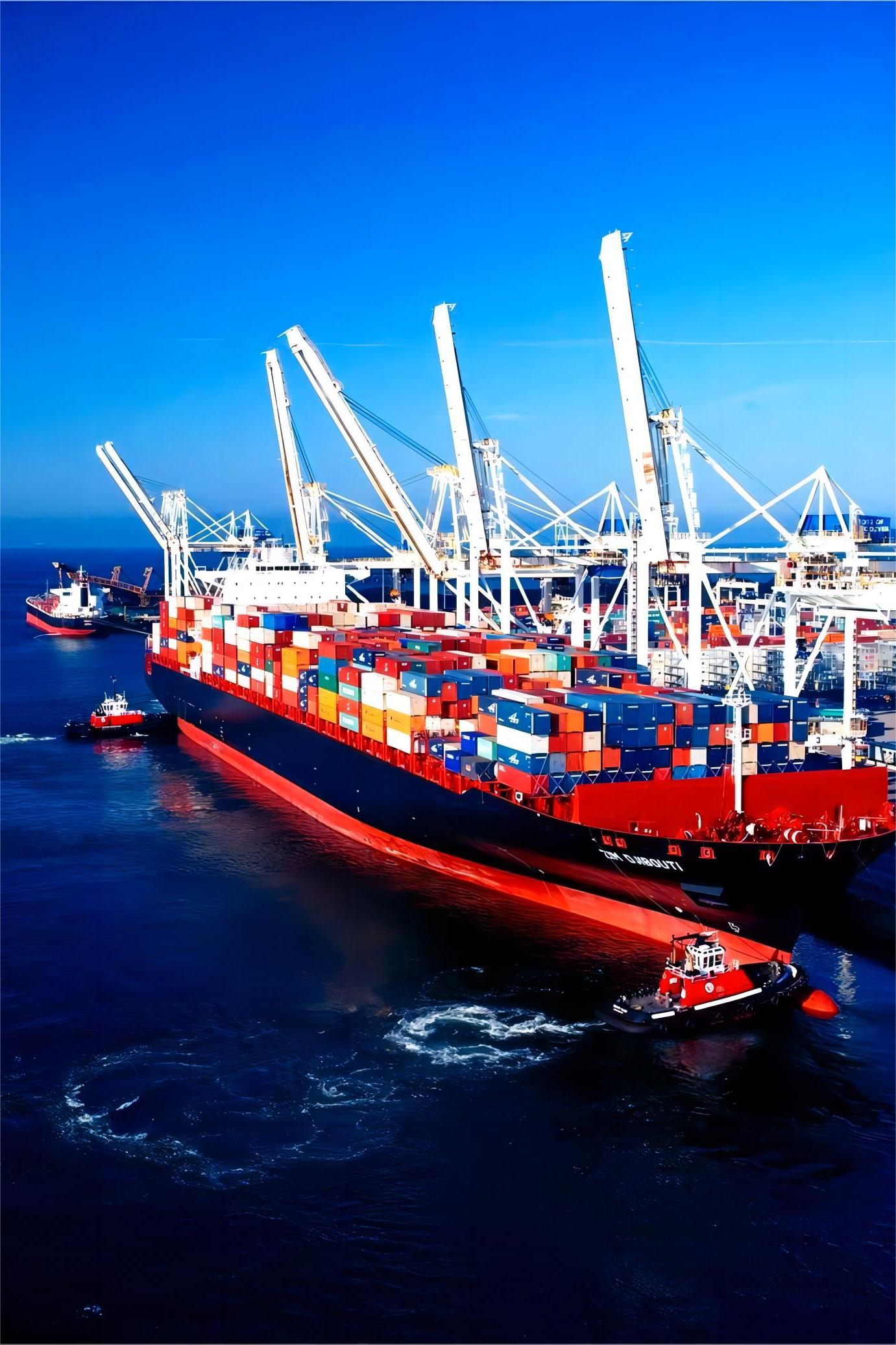
Strategic Advantages of Rail Freight and Express Services
In recent years, rail freight has emerged as a powerhouse for trans-Eurasian trade. It provides a reliable schedule that avoids the volatility of ocean weather and the high costs of jet fuel. Consequently, many importers are shifting their mid-priority goods to rail to optimize their logistics spend while maintaining reasonable timelines.
Similarly, for urgent documents or small inventory batches, an express service is indispensable. These services offer door-to-door convenience with integrated customs clearance, which simplifies the process for new importers. Although the price per kilogram is high, the reliability and speed are unmatched for critical business needs.
Furthermore, utilizing these faster modes can help businesses respond quickly to market demand shifts. For example, if a product goes viral, air or express shipping allows for rapid restocking. This agility is a core component of a modern china global logistics service for importers that prioritizes market responsiveness over simple cost reduction.
Optimizing Delivery with Door to Door and Amazon FBA Solutions
For e-commerce entrepreneurs, a door to door service removes the headache of managing multiple logistics providers. This comprehensive solution covers everything from factory pickup to final delivery at your warehouse or office. It ensures that there are no gaps in the chain of custody, which reduces the risk of loss or damage.
Specifically, businesses selling on major platforms often require specialized Amazon FBA shipping services. These services ensure that cargo meets Amazon’s strict labeling and palletization requirements before it reaches the fulfillment center. Failure to comply with these rules can result in rejected shipments and significant financial penalties.
Consequently, working with a provider that understands these specific requirements is vital for maintaining a healthy seller account. By outsourcing the logistical heavy lifting, importers can focus on marketing and product development. Indeed, the convenience of a single point of contact for the entire journey from China to a domestic warehouse cannot be overstated.
| Destination | 20GP Container | 40HQ Container | Est. Transit |
|---|---|---|---|
| China to USA West | $1,600 – $2,300 | $2,900 – $3,900 | 14-18 Days |
| China to Europe | $1,900 – $2,600 | $3,100 – $4,300 | 28-35 Days |
| China to Australia | $850 – $1,300 | $1,500 – $2,100 | 12-18 Days |
| China to UK | $2,100 – $2,900 | $3,600 – $4,600 | 30-38 Days |
Decision Framework: Which China Global Logistics Service for Importers Should You Choose?
Determining the best shipping strategy requires a clear understanding of your business priorities. If your primary concern is the bottom line, sea freight is the clear winner for large volumes. However, if you are launching a new product and need to test the market quickly, air freight or express shipping may be more appropriate despite the higher costs.
Consider the volume of your cargo as a major deciding factor. For shipments exceeding 15 CBM, a Full Container Load (FCL) usually offers better security and pricing. Conversely, for smaller shipments, LCL or air freight might be more economical. To illustrate, a small 2 CBM shipment of high-margin jewelry is better suited for air, while 20 CBM of furniture should always go by sea.
Moreover, you must account for the destination’s infrastructure. Some regions have better rail connectivity, while others rely heavily on major sea ports. Evaluating the total landed cost, including duties and local trucking, is essential for an accurate comparison. Always consult with your logistics partner to determine the most efficient route based on current 2026 port conditions and carrier availability.
Case Studies: Real-World Logistics Success in 2025-2026
Case Study 1: High-Volume Electronics Distribution Route: Shenzhen, China to Los Angeles, USA Cargo: Consumer electronics, 65 CBM, 11000 kg Container: 40HQ Shipping Details: – Carrier: Major Trans-Pacific Carrier – Port of Loading: Shenzhen (Yantian) – Port of Discharge: Los Angeles – Route Type: Direct Cost Breakdown: – Ocean Freight: $3,450 – Origin Charges: $420 – Destination Charges: $550 – Customs and Duties: $1,200 – Total Landed Cost: $5,620 Timeline: – Booking to Loading: 4 days – Sea Transit: 15 days – Customs Clearance: 2 days – Total Door-to-Door: 21 days Key Insight: Using a direct route to the West Coast saved 10 days compared to East Coast routing, despite higher local trucking costs.
Case Study 2: Fast-Fashion Retail Replenishment Route: Shanghai, China to Hamburg, Germany Cargo: Apparel and accessories, 12 CBM, 3200 kg Container: LCL (Less than Container Load) Shipping Details: – Carrier: Global Consolidation Service – Port of Loading: Shanghai – Port of Discharge: Hamburg – Route Type: Transshipment via Singapore Cost Breakdown: – Ocean Freight: $980 – Origin Charges: $210 – Destination Charges: $340 – Customs and Duties: $850 – Total Landed Cost: $2,380 Timeline: – Booking to Loading: 6 days – Sea Transit: 34 days – Customs Clearance: 3 days – Total Door-to-Door: 43 days Key Insight: LCL allowed the importer to maintain a steady flow of inventory without the high cost of air freight during a peak season.
Navigating Customs and Documentation in 2026
The customs clearance process is often the most daunting aspect of international shipping for many importers. In 2026, many countries have implemented stricter environmental and digital reporting standards that require precise documentation. A professional logistics service ensures that your Commercial Invoice, Packing List, and Bill of Lading are all perfectly aligned to avoid audits.
Furthermore, understanding Harmonized System (HS) codes is crucial for calculating accurate duty rates. Misclassification can lead to heavy fines or the seizure of goods by customs authorities. Consequently, experienced logistics providers offer tariff engineering advice to help you legally minimize your tax liabilities. This proactive approach is a hallmark of a high-tier china global logistics service for importers.
To illustrate, the transition to paperless customs in many European and North American ports has accelerated the clearance process. However, this also means that errors are flagged instantly by automated systems. Therefore, having a dedicated customs broker who stays updated on the latest 2026 trade agreements is more important than ever for maintaining a smooth supply chain.
Mastering Your Global Supply Chain
In conclusion, succeeding in the 2026 trade environment requires a strategic approach to shipping and a partner who understands the nuances of the market. A professional china global logistics service for importers provides the stability, cost-efficiency, and expertise needed to navigate global waters. By selecting the right shipping mode and staying informed on market trends, you can protect your margins and ensure timely delivery to your customers.
Note: Freight rates are subject to change based on fuel costs, carrier capacity, and seasonal demand. Contact us for a current quote tailored to your specific shipment.