
China to Australia Container Freight Premium Service: 2026 Shipping Guide
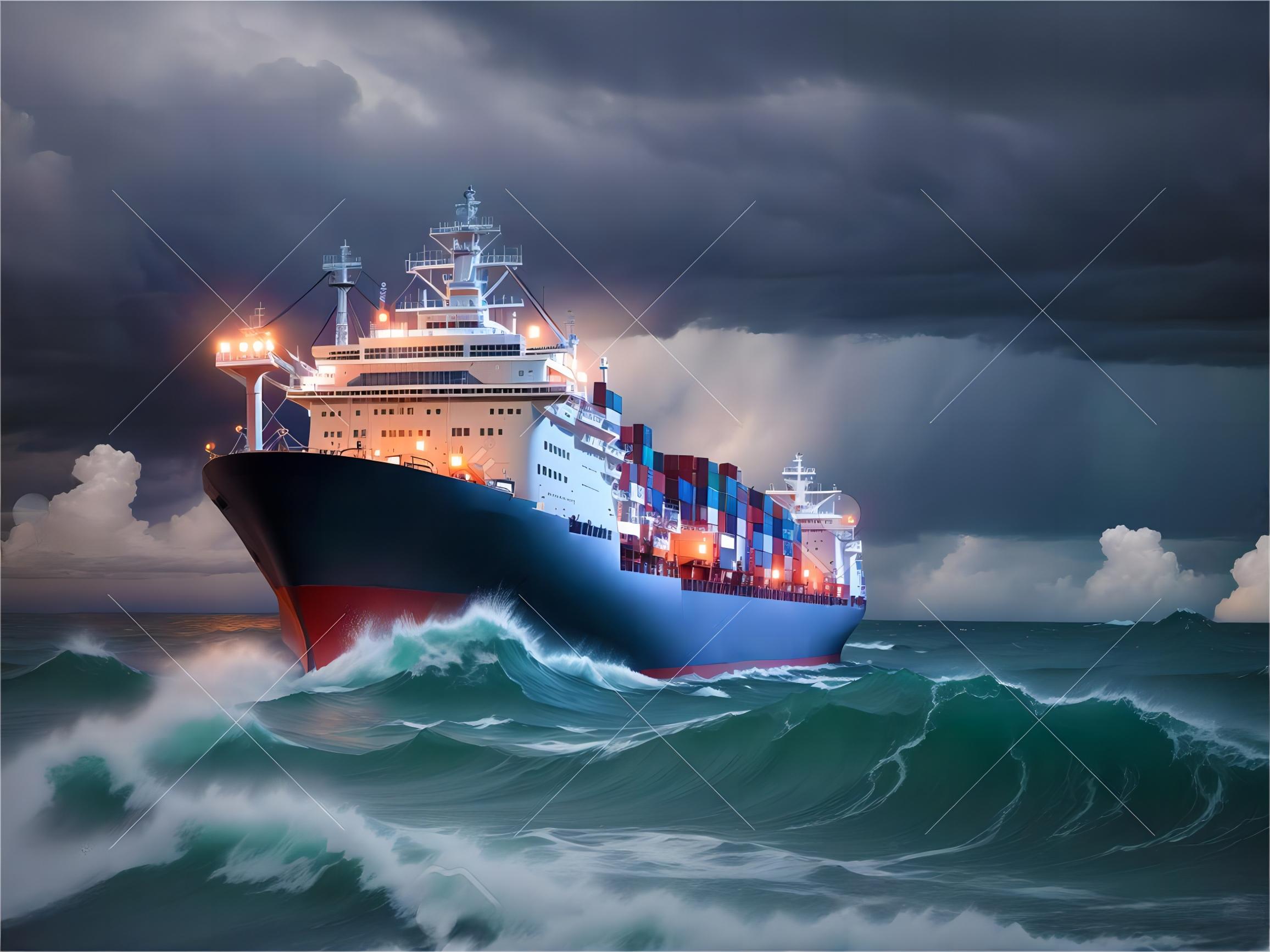
China to Australia container freight premium service has become the essential solution for importers who cannot afford delays in the competitive 2026 market. By partnering with a dedicated logistics provider like China World Cargo, businesses gain access to guaranteed space and accelerated transit times. This high-tier shipping option addresses the common pain points of port congestion and equipment shortages that often plague standard routes. Consequently, choosing a premium tier ensures your supply chain remains resilient and your inventory levels stay consistent throughout the year.
Why Choose a China to Australia Container Freight Premium Service in 2026?
Modern supply chains require more than just the lowest price to remain competitive in the global landscape. Specifically, a China to Australia container freight premium service offers a level of reliability that standard economy shipping simply cannot match. Furthermore, these services prioritize your cargo during the loading process, ensuring that your containers are the first on and the first off the vessel. This priority handling significantly reduces the risk of your goods being rolled to a later sailing during peak periods.
Moreover, the logistics environment in 2026 has seen a shift toward time-sensitive inventory management. As a result, many Australian retailers now rely on premium ocean services to bridge the gap between expensive air freight and slow standard sea transport. Additionally, premium services often include extended free time at the destination port, allowing for more flexible unloading schedules. Therefore, the investment in a premium service often pays for itself by preventing stockouts and reducing emergency logistics costs.
Transitioning to a high-priority model allows for better planning and more accurate delivery windows for your customers. Indeed, the predictability offered by these services is invaluable for seasonal product launches or high-demand electronics. Consequently, savvy importers are increasingly moving away from the volatility of the spot market in favor of structured premium agreements. This strategic shift ensures that their cargo moves even when global capacity is tight.
How Does Premium Ocean Freight Compare to Other Shipping Options?
Evaluating the various modes of transport is crucial for optimizing your landed cost and delivery speed. While sea freight remains the most common method, the premium tier occupies a unique middle ground. For instance, it offers transit times that are 20-30 percent faster than standard ocean freight while remaining significantly cheaper than air transport. On the other hand, standard shipping might save you money upfront but can lead to hidden costs through delays and port storage fees.
Furthermore, the choice between Full Container Load (FCL) and Less than Container Load (LCL) becomes even more critical when looking at premium options. Premium FCL services often utilize direct routes with no transshipment, which minimizes the risk of damage or loss. In contrast, standard LCL shipments might involve multiple handling points that can extend the timeline. Therefore, businesses must weigh the trade-offs between speed, cost, and cargo safety when selecting their shipping tier.
| Premium Ocean Freight | 1,600 – 2,200 | 12 – 15 Days | High-value retail goods |
| Standard Ocean Freight | 900 – 1,400 | 18 – 25 Days | Bulk commodities |
| Air Freight Service | 5,000 – 12,000 | 3 – 7 Days | Urgent medical/tech |
| LCL Shipping | 60 – 110 per CBM | 20 – 30 Days | Small business stock |
Alternative Strategies for Cost-Saving and Efficiency
Implementing a hybrid logistics strategy can often yield the best results for complex supply chains. For example, some companies choose to send 20 percent of their urgent stock via air freight while the remaining 80 percent moves via premium sea freight. This approach ensures that the market is tested with new products quickly while the bulk of the inventory arrives cost-effectively. Moreover, utilizing different ports of entry in Australia can help bypass localized congestion in major hubs like Sydney or Melbourne.
Another effective strategy involves the consolidation of multiple suppliers into a single premium container. By doing so, you can enjoy the benefits of FCL security and speed without needing to fill a whole container from one factory. Additionally, some importers are now exploring sea-air combinations via Singapore to further optimize their transit times. However, for most direct routes from China to Australia, a dedicated premium ocean service remains the most balanced option for both cost and speed.
Which Option Should You Choose?
Budget Priority: If your primary goal is the lowest possible cost and your timelines are flexible, standard LCL or FCL is the way to go. However, be prepared for potential delays of 5 to 10 days during peak seasons.
Speed Priority: When you need goods in Australia within two weeks but cannot afford air freight, the China to Australia container freight premium service is the ideal choice. It offers the best reliability-to-cost ratio.
Cargo Type: High-value, fragile, or time-sensitive electronics and fashion items should always be shipped via premium services to ensure minimal handling and faster customs clearance.
Current 2026 Freight Rates for Australia Shipping Routes
Navigating the pricing landscape in 2026 requires an understanding of current market trends and seasonal surcharges. Currently, rates for shipping from China to Australia have stabilized compared to the volatility seen in previous years. Nevertheless, prices can still fluctuate based on fuel costs and carrier capacity. Specifically, the premium service tier typically commands a 15 to 25 percent surcharge over standard rates in exchange for guaranteed equipment and space.
Moreover, it is important to consider the total landed cost rather than just the port-to-port freight rate. This includes origin charges, destination fees, and any customs duties applicable to your specific product category. Consequently, getting a comprehensive quote that includes all these factors is essential for accurate budgeting. Indeed, many premium services include some of these fees in a bundled package to simplify the billing process for the importer.
| 20GP (Standard) | 1,100 – 1,400 USD | 1,150 – 1,450 USD | 1,200 – 1,500 USD |
| 40GP (Standard) | 1,600 – 1,900 USD | 1,650 – 1,950 USD | 1,700 – 2,000 USD |
| 40HQ (High Cube) | 1,800 – 2,200 USD | 1,850 – 2,250 USD | 1,900 – 2,300 USD |
Managing the Door to Door Logistics Chain
Securing a reliable door to door service is the most effective way to manage a premium shipment. This comprehensive approach means that the logistics provider handles every step, from the factory floor in China to your warehouse in Australia. Furthermore, it eliminates the need for you to coordinate between multiple truckers, warehouse operators, and sea carriers. As a result, the communication flow is streamlined, and the risk of information silos is greatly reduced.
In addition, door-to-door premium services often include real-time tracking and dedicated account management. This level of visibility allows you to update your customers on delivery schedules with high confidence. Moreover, the provider takes responsibility for the entire journey, providing a single point of accountability if any issues arise. Therefore, for businesses without a dedicated internal logistics team, this all-in-one solution is often the most efficient way to operate.
Real Case Studies: Premium Shipping Success Stories
Case Study 1: High-End Furniture Launch. A boutique furniture retailer in Sydney needed to import a new collection from Shenzhen for a Q3 launch. They chose a 40HQ container via a premium service to ensure the goods arrived before the marketing campaign began. The route was Shenzhen to Sydney, direct via a major carrier. Total landed cost was approximately 3,400 USD, with a sea transit time of only 13 days. Key Insight: The priority unloading allowed them to start deliveries 4 days earlier than their competitors.
Case Study 2: Electronics Component Shortage. A manufacturer in Melbourne faced a production halt due to missing components from Ningbo. Instead of paying 15,000 USD for air freight, they opted for a premium LCL service of 5 CBM. The total cost was 850 USD, and the goods arrived in 16 days door-to-door. Key Insight: Using a premium sea option saved them over 14,000 USD while still meeting their revised production deadline.
Case Study 3: Seasonal Fashion Peak. During the busy August-October period, a fashion wholesaler used premium 20GP containers from Shanghai to Brisbane. Despite heavy port congestion, their containers were never rolled and arrived consistently within 15 days. Total freight cost was 1,550 USD per container. Key Insight: The guaranteed space allocation prevented the 2-week delays that standard shippers were experiencing at the time.

Essential Customs Documentation for Australian Imports
Navigating the legal requirements of the Australian Border Force is a critical component of any premium shipping strategy. Specifically, having your paperwork in order before the vessel arrives can save days of waiting at the terminal. Utilizing a professional customs brokerage service is highly recommended for complex shipments. Furthermore, accurate classification of your goods under the Harmonized System (HS) codes ensures you pay the correct amount of duty and avoid costly fines.
Moreover, Australia has strict biosecurity laws that require specific declarations for wood packaging and organic materials. Consequently, failing to provide a valid packing declaration can lead to expensive inspections and quarantine delays. Additionally, many premium freight services offer pre-clearance options where documents are filed while the ship is still at sea. Therefore, your cargo can often be cleared and ready for pickup within hours of the ship docking at the Australian port.
| Commercial Invoice | Valuation of goods | Customs / ABF | Must show currency |
| Packing List | Details of contents | Warehouse/Customs | Match the invoice |
| Bill of Lading | Title to the cargo | Carrier/Bank | Original or Telex |
| Packing Declaration | Biosecurity check | Department of Agriculture | Mandatory for all |
Mastering Your Logistics with Premium Solutions
Successfully managing imports in 2026 requires a proactive approach to shipping and logistics. By utilizing a China to Australia container freight premium service, you can mitigate the risks of delays and ensure your products reach the market on time. Furthermore, the combination of faster transit times and priority port handling provides a significant competitive advantage. Additionally, the cost-effectiveness of premium sea freight compared to air transport makes it a sustainable choice for long-term growth.
In summary, while standard shipping options still have their place for non-urgent bulk goods, the premium tier is the future for high-performance supply chains. Moreover, working with experienced partners allows you to navigate customs and biosecurity regulations with minimal friction. Consequently, the peace of mind offered by these services is well worth the initial investment. Therefore, prioritize your logistics strategy now to ensure your business thrives in the evolving Australian trade landscape.

Need a tailored shipping solution?
Optimize your 2026 supply chain with our China to Australia container freight premium service today. Contact the experts at China World Cargo to receive a tailored quote and experience the difference that priority handling and guaranteed space can make for your business. Send Inquiry to start your shipment now.