
FCL Shipping from China Company: Your Guide to Ocean Freight
Navigating the complexities of international trade requires a dependable partner to manage your containerized cargo. Selecting the right fcl shipping from china company ensures that your goods arrive safely and on schedule. Whether you are importing electronics or industrial machinery, understanding the logistics landscape is essential for maintaining a healthy supply chain. Consequently, this guide provides the insights needed to optimize your ocean freight strategy effectively.
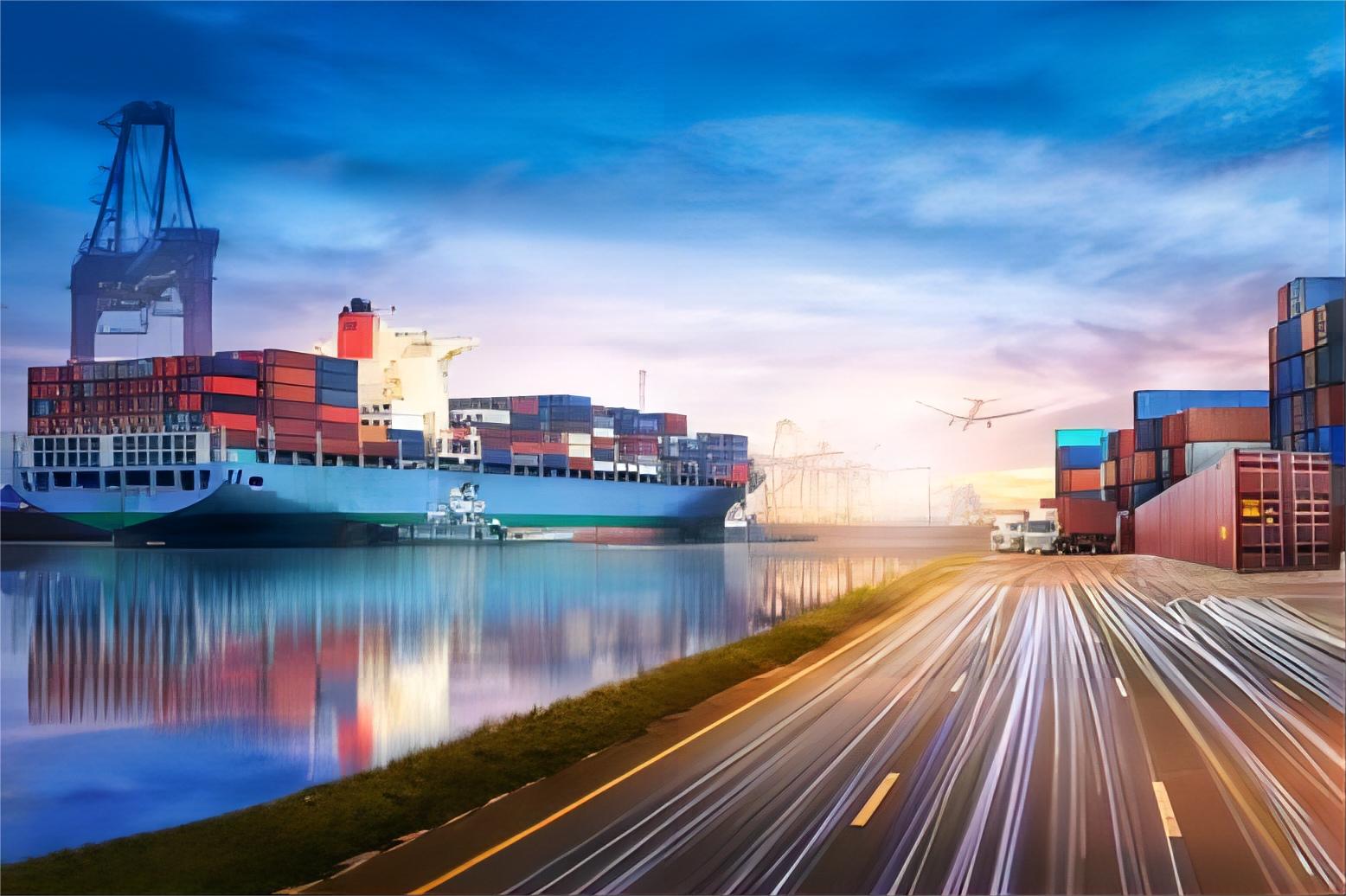
What are the Benefits of Using an FCL Shipping from China Company?
Choosing a Full Container Load (FCL) service offers significant advantages for businesses moving large volumes of goods. Specifically, FCL provides exclusive use of a 20ft or 40ft container, which reduces the risk of damage from other shippers cargo. Furthermore, your shipments often experience faster transit times because the container does not need to be consolidated or deconsolidated at various hubs.
Security remains a top priority for most importers when handling high-value merchandise. Since the container is sealed at the origin and only opened at the destination, the likelihood of theft or tampering decreases substantially. Moreover, using sea freight for FCL shipments is typically more cost-effective per unit than smaller alternatives.
Reliability in scheduling allows businesses to plan their inventory cycles with greater precision. Most major carriers offer frequent departures from primary Chinese ports like Shanghai, Ningbo, and Shenzhen. Consequently, you can maintain a steady flow of products to meet consumer demand throughout the year.
How to Select the Best FCL Shipping from China Company?
Identifying a trustworthy logistics partner involves evaluating their experience and global network. You should look for a provider that demonstrates a deep understanding of Chinese export regulations and destination customs requirements. Additionally, transparency in pricing and communication is vital for avoiding unexpected surcharges during the shipping process.
Reputable companies often provide comprehensive tracking tools to keep you informed about your cargo status. This visibility allows you to manage customer expectations and prepare your warehouse for incoming inventory. Therefore, always inquire about the digital capabilities and customer support levels of any potential shipping partner.
Network strength at both the origin and destination ports ensures smoother transitions between different stages of transit. A company with established relationships with major steamship lines can often secure better space allocations during peak seasons. As a result, your business benefits from more consistent shipping schedules and competitive rates.
How Does FCL Compare to Other Shipping Options?
While FCL is ideal for large shipments, other methods may be more suitable depending on your specific volume and urgency. For example, Less than Container Load (LCL) is a viable choice for smaller batches that do not fill an entire container. However, FCL remains the most economical solution once your volume exceeds approximately 15 cubic meters.
Air freight offers the fastest transit times but comes at a significantly higher cost compared to ocean transport. Meanwhile, rail freight provides a middle ground for shipments moving from China to Europe, balancing speed and expense. Shippers must evaluate their budget and delivery deadlines before committing to a specific logistics strategy.
Hybrid solutions, such as sea-air services, can sometimes offer a balance between cost-efficiency and speed. These options involve moving goods by sea to a hub and then completing the journey via air. Nevertheless, for the majority of bulk industrial and consumer goods, FCL remains the industry standard.
| FCL (Ocean) | Moderate | 20-40 Days | Bulk Goods |
| LCL (Ocean) | Low-Mid | 25-45 Days | Small Batches |
| Air Freight | High | 3-7 Days | Urgent Items |
| Rail Freight | Medium | 15-22 Days | China to Europe |

Understanding FCL Shipping Costs from China
Freight rates for full containers are influenced by several factors, including fuel costs and seasonal demand. During peak periods, such as the months leading up to the holiday season, prices typically rise due to limited carrier capacity. Additionally, the specific route and destination port play a major role in determining the final ocean freight quote.
Local charges at both the loading and discharge ports must also be factored into your total landed cost. These often include terminal handling charges (THC), documentation fees, and port security surcharges. To ensure a smooth process, many businesses utilize professional customs brokerage services to navigate complex tariff structures.
Comprehensive logistics providers often offer door to door solutions that simplify the entire pricing model. By bundling trucking, ocean freight, and customs clearance, you can achieve better cost predictability. Consequently, this approach reduces the administrative burden on your internal team while potentially lowering overall expenses.
| China to USA West | $1,500 – $2,200 | $2,800 – $3,800 | 14-18 Days |
| China to Europe | $1,800 – $2,500 | $3,000 – $4,200 | 28-35 Days |
| China to Australia | $800 – $1,200 | $1,400 – $2,000 | 12-18 Days |
| China to UK | $2,000 – $2,800 | $3,500 – $4,500 | 30-38 Days |
Key Steps in the FCL Shipping Process
The process begins with securing a booking through your chosen FCL shipping from China company. Once the booking is confirmed, an empty container is dispatched to the factory or warehouse for loading. After the goods are secured, the container is transported to the port of loading for export customs clearance.
Proper documentation is essential during this stage to avoid delays at the terminal. Shippers must provide accurate packing lists, commercial invoices, and certificates of origin. Furthermore, the bill of lading serves as the primary contract of carriage and title to the goods throughout the journey.
Upon arrival at the destination port, the container undergoes import customs clearance before being released for final delivery. Efficient coordination between the carrier and the local trucking company is necessary to avoid demurrage or detention fees. Ultimately, a well-managed process ensures that your cargo reaches its final destination without unnecessary complications.
Real-World FCL Shipping Success Stories
Case Study 1: Electronics Distribution to North America. A leading retailer needed to move 15 containers of consumer electronics from Shenzhen to Los Angeles. By partnering with a specialist in shipping from china to north america, they secured space during the Q3 peak season. The shipment arrived in 16 days with a total landed cost of $3,450 per 40HQ, including all port fees.
Case Study 2: Industrial Machinery to Europe. A manufacturing firm required the transport of heavy equipment from Shanghai to Hamburg. They utilized a 20GP container to ensure the cargo remained undisturbed during the 32-day transit. Through expert coordination in shipping from china to europe, the client avoided customs delays and kept their production line on schedule.
Market data suggests that freight rates have stabilized in early 2024 following previous global disruptions. However, shippers should remain vigilant as geopolitical events can still impact transit times and carrier availability. Note: Freight rates are subject to change based on fuel costs, carrier capacity, and seasonal demand. Contact us for a current quote tailored to your specific shipment.
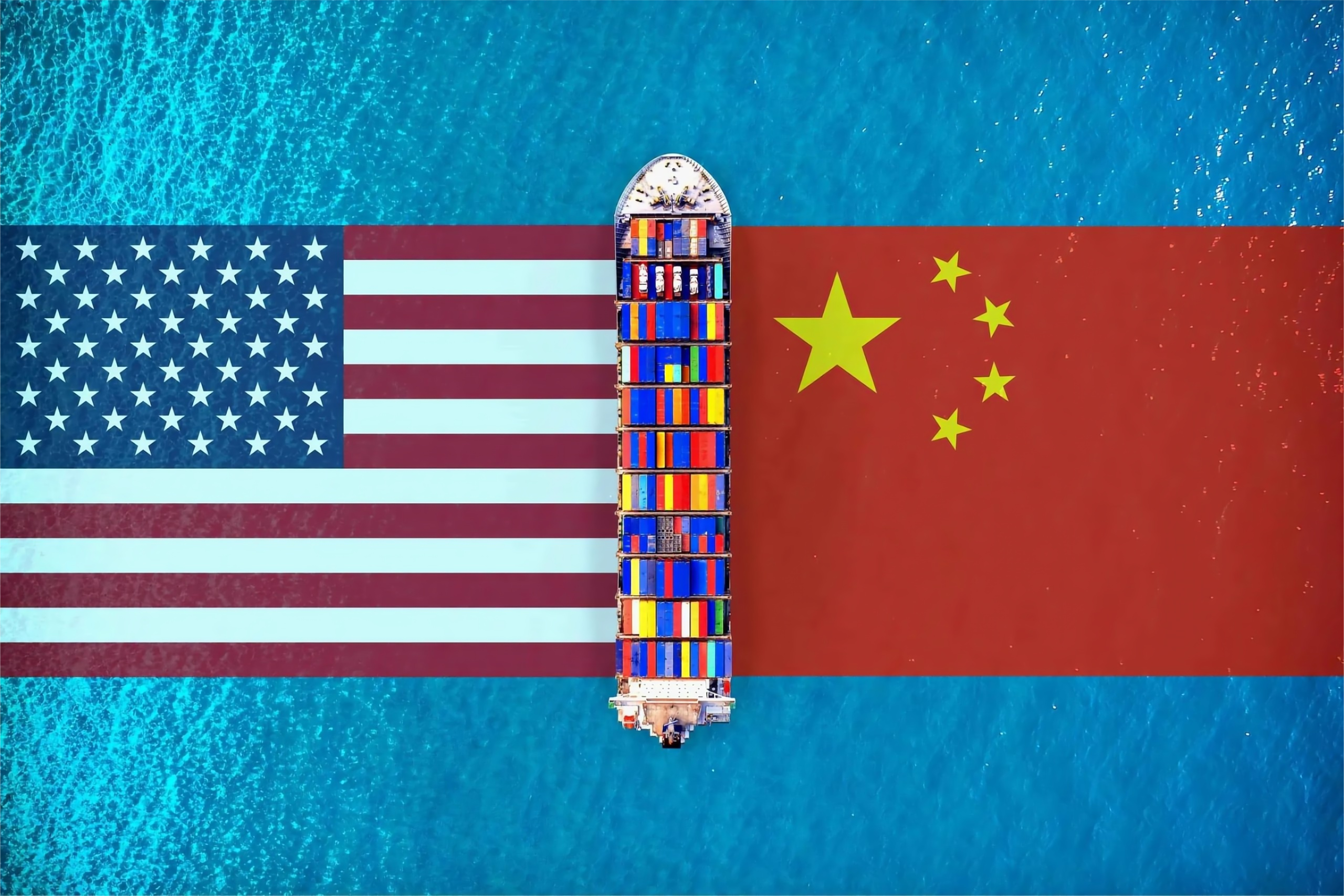
Which Shipping Option Should You Choose?
Determining the right method depends largely on your budget priorities and speed requirements. If your primary goal is cost reduction for high-volume cargo, FCL is almost always the superior choice. On the other hand, air freight is the only viable option if you need to restock inventory within a matter of days.
Volume thresholds also play a critical role in the decision-making process. For shipments between 1 and 14 cubic meters, LCL might save you money, but it increases the handling risks. Once you reach the 15 cubic meter mark, the cost of a full 20ft container often becomes comparable to LCL rates while providing better security.
Cargo type considerations may also dictate your choice of container or shipping method. Perishable items or hazardous materials require specialized handling and specific container types, such as reefers. Therefore, consulting with an experienced logistics provider is the best way to determine the most efficient route for your specific products.
Final Thoughts on FCL Logistics
Mastering the nuances of international ocean freight is essential for any business importing from Asia. By choosing a dedicated fcl shipping from china company, you gain access to competitive rates and secure transport for your valuable cargo. Efficiency in the supply chain directly translates to better profit margins and improved customer satisfaction.
Always remember to factor in transit times and potential seasonal fluctuations when planning your shipments. Maintaining clear communication with your logistics provider ensures that you can adapt to any changes in the global market. Ultimately, a strategic approach to FCL shipping will provide a solid foundation for your international trade operations.
Need a tailored shipping solution?
Partner with a professional fcl shipping from china company today to streamline your global logistics. Our expert team provides transparent pricing and reliable schedules to help your business grow. Visit China World Cargo to request your custom freight quote and experience seamless ocean shipping solutions. Send Inquiry: https://chinaworldcargo.com/contact-us/