
China to UK Freight Forwarder FBA: The Complete Shipping Guide
Sourcing products from Asia requires a strategic approach to logistics, especially when dealing with the strict requirements of Amazon fulfillment centers. Finding a reliable China World Cargo partner ensures that your inventory moves seamlessly from the factory floor to the United Kingdom. This comprehensive guide explores how a China to UK freight forwarder FBA can optimize your supply chain, reduce costs, and navigate complex customs regulations. Whether you are a new seller or an established brand, understanding these logistics trends is essential for maintaining a competitive edge in the e-commerce marketplace.
✦
Why Do You Need a China to UK Freight Forwarder FBA Specialist?
Navigating the logistics landscape between China and the United Kingdom involves more than just moving boxes. Amazon has incredibly strict requirements regarding how shipments are received, labeled, and palletized. Consequently, missing a single detail can lead to rejected shipments or costly storage fees at the port. A specialized China to UK freight forwarder FBA understands these nuances and acts as a bridge between your supplier and the fulfillment center.
Furthermore, these specialists handle the complex documentation required for international trade. This includes the Bill of Lading, Commercial Invoice, and Packing List, all of which must be perfectly aligned to avoid delays. Additionally, they provide insights into the best shipping routes to minimize transit times. By leveraging their expertise, you can focus on growing your business while they manage the heavy lifting of the supply chain.
Moreover, the regulatory environment in the UK has changed significantly in recent years. Specifically, post-Brexit VAT and customs rules require precise handling to ensure compliance. A dedicated forwarder ensures that your EORI number and VAT registrations are correctly applied to every shipment. Therefore, partnering with an expert is not just a convenience but a strategic necessity for modern e-commerce entrepreneurs.
How Does Sea Freight Compare to Other Shipping Options?
When evaluating your logistics strategy, choosing the right transport mode is the most critical decision for your profit margins. Sea freight remains the most popular choice for bulk inventory due to its cost-effectiveness. However, it requires significant lead time, making it less suitable for urgent restocks. In contrast, air freight offers speed but at a premium price point that can erode margins on low-value items.
Additionally, rail freight has emerged as a viable middle ground for the China-UK route. It offers faster transit times than the ocean while remaining significantly cheaper than air transport. Nevertheless, each method has its own set of limitations and advantages depending on the volume and nature of your goods. Below is a detailed comparison to help you determine the best fit for your current inventory needs.
| Shipping Method | Cost Range | Transit Time | Best For | Limitations |
|---|---|---|---|---|
| Sea Freight | $2,000 – $4,500 per container | 30 – 45 Days | Bulk goods, heavy items | Longest transit time |
| Air Freight | $4.50 – $9.00 per kg | 5 – 8 Days | High-value, urgent stock | Very expensive for volume |
| Rail Freight | $1.50 – $3.00 per kg | 18 – 25 Days | Mid-range volume | Subject to land border delays |
| Express Service | $7.00 – $12.00 per kg | 3 – 5 Days | Samples, small parcels | Highest cost per unit |

What Are the Primary Shipping Methods for China to UK FBA?
Ocean Freight: FCL and LCL Solutions
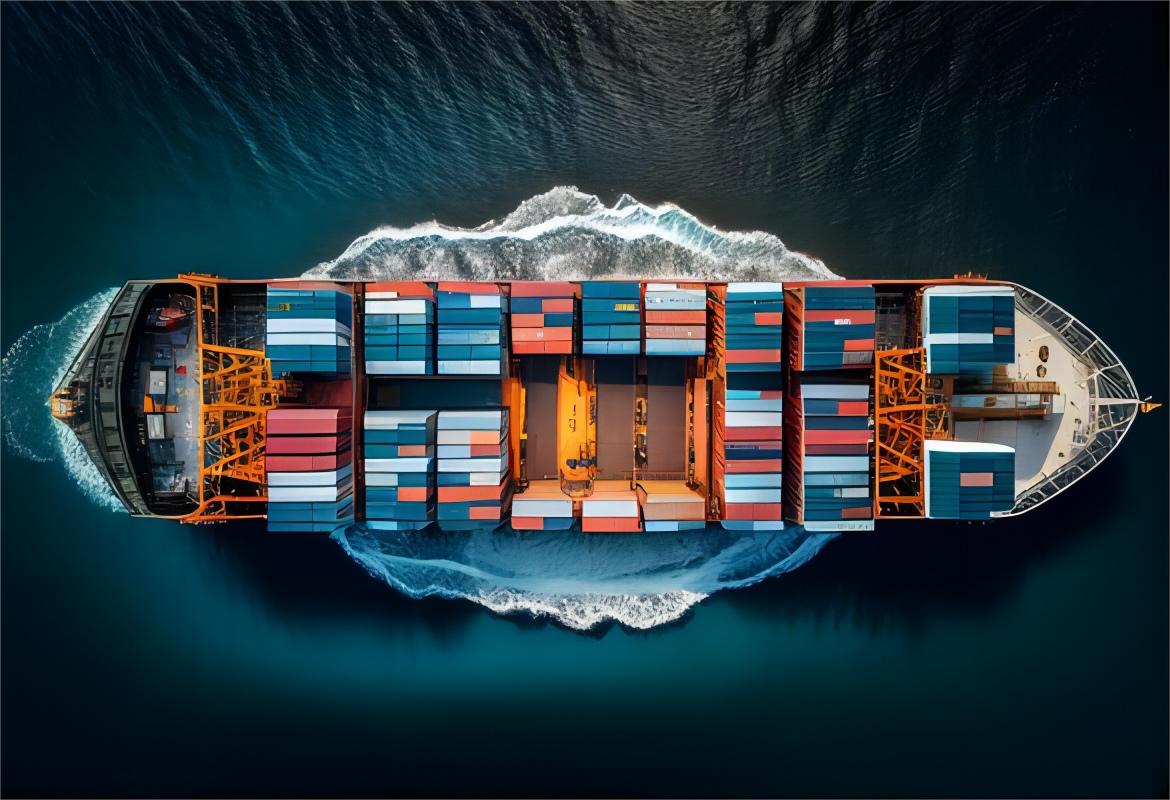
For most Amazon sellers, sea freight is the backbone of their supply chain. You can choose between Full Container Load (FCL) and Less than Container Load (LCL). FCL is ideal if you have enough stock to fill a 20ft or 40ft container, as it offers the lowest cost per unit. Conversely, LCL allows you to share container space with other shippers, which is perfect for smaller batches.
Typically, sea freight from China to the UK takes between 30 and 38 days. Major ports such as Felixstowe, Southampton, and London Gateway serve as the primary entry points. Moreover, using sea freight allows for the transport of hazardous materials or oversized items that air carriers might reject. It is the most sustainable and economical way to move large volumes of consumer goods.
Air Freight: Speed and Reliability
If you are launching a new product or facing a stockout, air freight is the fastest solution available. While the costs are higher, the speed allows you to respond to market trends almost instantly. Most air shipments arrive at major UK airports like Heathrow or East Midlands within a week. Furthermore, air transport offers higher security and a lower risk of damage for fragile items.
However, you must be mindful of chargeable weight, which accounts for both the actual weight and the volume of the boxes. Consequently, lightweight but bulky items can become very expensive to ship by air. We recommend using air freight for high-margin products or as a supplementary method to fill gaps in your sea freight schedule. This hybrid approach ensures you never lose your Amazon Best Seller Rank due to lack of inventory.
How to Handle Customs and VAT for UK Amazon FBA?
Importing goods into the UK requires a thorough understanding of the HM Revenue and Customs (HMRC) regulations. Every importer must have an Economic Operator Registration and Identification (EORI) number to clear goods. Additionally, you must determine the correct HS Code for your products to calculate the applicable duty rates. Using an expert customs brokerage service can prevent your shipment from being held at the border.
VAT is another critical component of the landed cost. Under the current rules, most sellers must account for 20% VAT on the value of the imported goods plus the shipping costs. Fortunately, Postponed VAT Accounting (PVA) allows business owners to account for the VAT on their return rather than paying it upfront at the port. This significantly improves cash flow for growing businesses. Therefore, ensure your forwarder is familiar with PVA to maximize your financial efficiency.
| Document Type | Purpose | Required By | Key Information |
|---|---|---|---|
| Commercial Invoice | Valuation of goods | Customs | Unit price, total value |
| Packing List | Inventory details | Warehouse/Customs | Weight, dimensions, SKU |
| Bill of Lading | Title of goods | Carrier/Bank | Consignee, port of loading |
| Certificate of Origin | Proof of manufacture | Customs | Country of production |
What Are the Amazon FBA Preparation Requirements?
Amazon has a strict set of rules known as the FBA Prep requirements. If your shipment does not comply, Amazon may charge you for unplanned services or even return the goods to the sender at your expense. Specifically, each unit must have a scannable FNSKU label that is unique to your product. Furthermore, the outer cartons must have FBA shipment labels that identify the contents and the destination warehouse.
Many sellers choose to use a Amazon FBA prep service provided by their freight forwarder. This service includes inspecting the goods for damage, applying the necessary labels, and palletizing the boxes according to Amazon standards. Pallets must be standard UK/Euro size and wrapped in clear plastic to ensure stability during transit. Consequently, outsourcing this task to a professional ensures that your inventory is ready for immediate sale upon arrival.

Case Studies: Real-World Shipping Scenarios
To better understand the logistics process, let us examine some recent shipments handled for UK-based Amazon sellers. These examples reflect market conditions in late 2023 and early 2024. Please note that rates fluctuate based on fuel surcharges and carrier capacity. Contacting a professional for a current quote is always the best practice.
Case Study 1: Electronics from Shenzhen to London
Route: Shenzhen, China to London Heathrow, UK. Cargo: 500kg of high-end wireless headphones. Method: Air Freight. Total Landed Cost: $4,200. Transit Time: 6 days. Key Insight: The seller chose air freight to capitalize on a seasonal sales spike. Despite higher costs, the rapid inventory turnover resulted in a 30% increase in quarterly revenue.
Case Study 2: Home Decor from Ningbo to Felixstowe
Route: Ningbo, China to Felixstowe, UK. Cargo: 12 CBM of ceramic vases. Method: Sea Freight LCL. Total Landed Cost: $2,150. Transit Time: 35 days. Key Insight: LCL was chosen because the volume did not justify a full container. The forwarder managed the consolidation and deconsolidation, ensuring the fragile items remained intact throughout the long journey.
Case Study 3: Textiles from Shanghai to Southampton
Route: Shanghai, China to Southampton, UK. Cargo: Full 20GP container of organic cotton apparel. Method: Sea Freight FCL. Total Landed Cost: $3,400. Transit Time: 32 days. Key Insight: By opting for FCL, the seller reduced the cost per unit to its lowest possible level. Direct routing to Southampton minimized inland haulage costs to their Midlands-based FBA warehouse.
Which Option Should You Choose? A Decision Framework
Choosing the right China to UK freight forwarder FBA strategy depends on your specific business goals. If your primary concern is maintaining the lowest possible price point, sea freight is the clear winner. However, if you are testing a new product with a limited shelf life, the speed of air freight justifies the expense. We recommend a balanced approach for most established sellers.
For instance, you might ship 80% of your inventory via sea freight to ensure long-term profitability. Meanwhile, the remaining 20% can be sent via air or express to handle unexpected demand surges. This hybrid model provides a safety net for your supply chain. Additionally, consider the volume thresholds; once you exceed 15 CBM, moving from LCL to a 20ft FCL container often results in significant savings.
How Can You Reduce Your Shipping Costs?
Reducing overhead is essential for maximizing your Amazon profits. One effective strategy is to consolidate shipments from multiple suppliers into a single container. This reduces the fixed costs associated with documentation and customs clearance. Furthermore, optimizing your packaging can lead to massive savings. By reducing the size of your product boxes, you can fit more units into a single carton, lowering the cost per item.
Another tip is to book your shipments at least two weeks in advance. Last-minute bookings often come with premium rates, especially during the peak season from August to October. Moreover, choosing a door to door service can often be cheaper than managing each leg of the journey separately. A comprehensive service provider can negotiate better rates with local truckers and carriers than an individual seller could on their own.
Final Thoughts on Choosing a China to UK Freight Forwarder FBA
Successfully selling on Amazon UK requires more than just a great product; it requires a robust and flexible logistics network. By selecting a specialized China to UK freight forwarder FBA, you gain access to expert knowledge in customs, compliance, and efficient transport. Whether you utilize sea, air, or rail freight, the key is to plan ahead and understand the costs involved.
In summary, the right logistics partner will help you navigate the complexities of international trade while protecting your profit margins. As market conditions continue to evolve, staying informed about shipping trends and regulatory changes is vital. Start optimizing your shipping strategy today to ensure your business thrives in the competitive UK marketplace.