
China to Europe Shipping Singapore: 2025 Logistics Strategy Guide
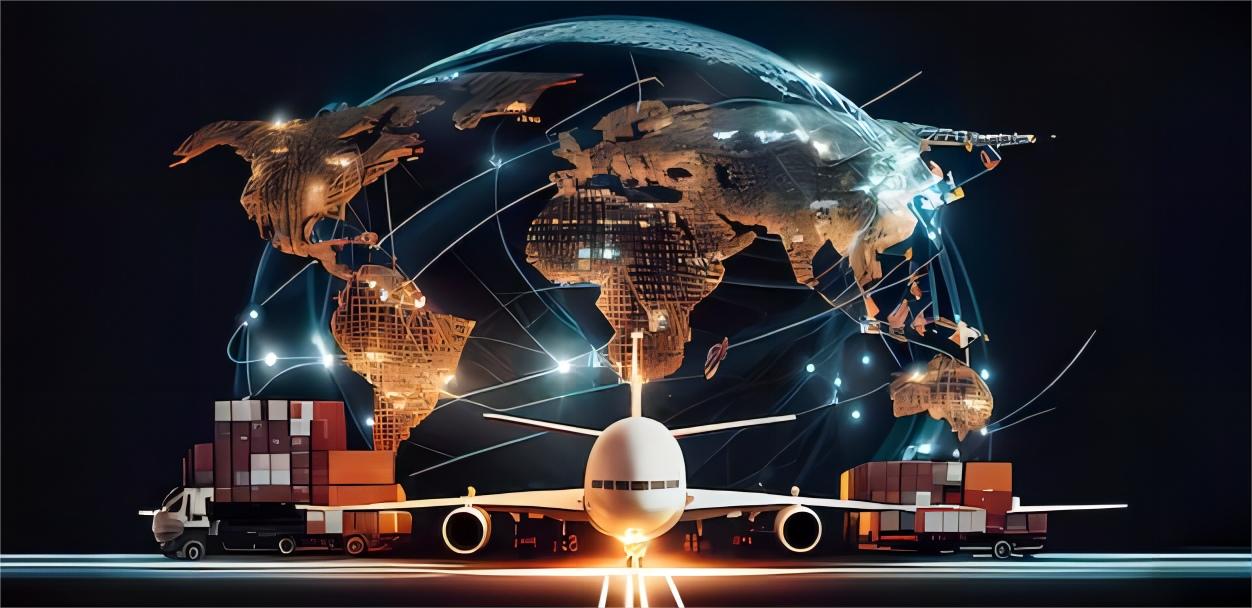
Navigating international trade requires a sophisticated understanding of global logistics hubs and transit corridors. Businesses seeking reliable China World Cargo solutions often discover that china to europe shipping singapore transshipment provides a critical strategic advantage in the current market. This comprehensive guide explores how leveraging Singapore as a maritime and air hub can optimize your supply chain while mitigating common transit risks.
Why Choose China to Europe Shipping Singapore Transshipment?
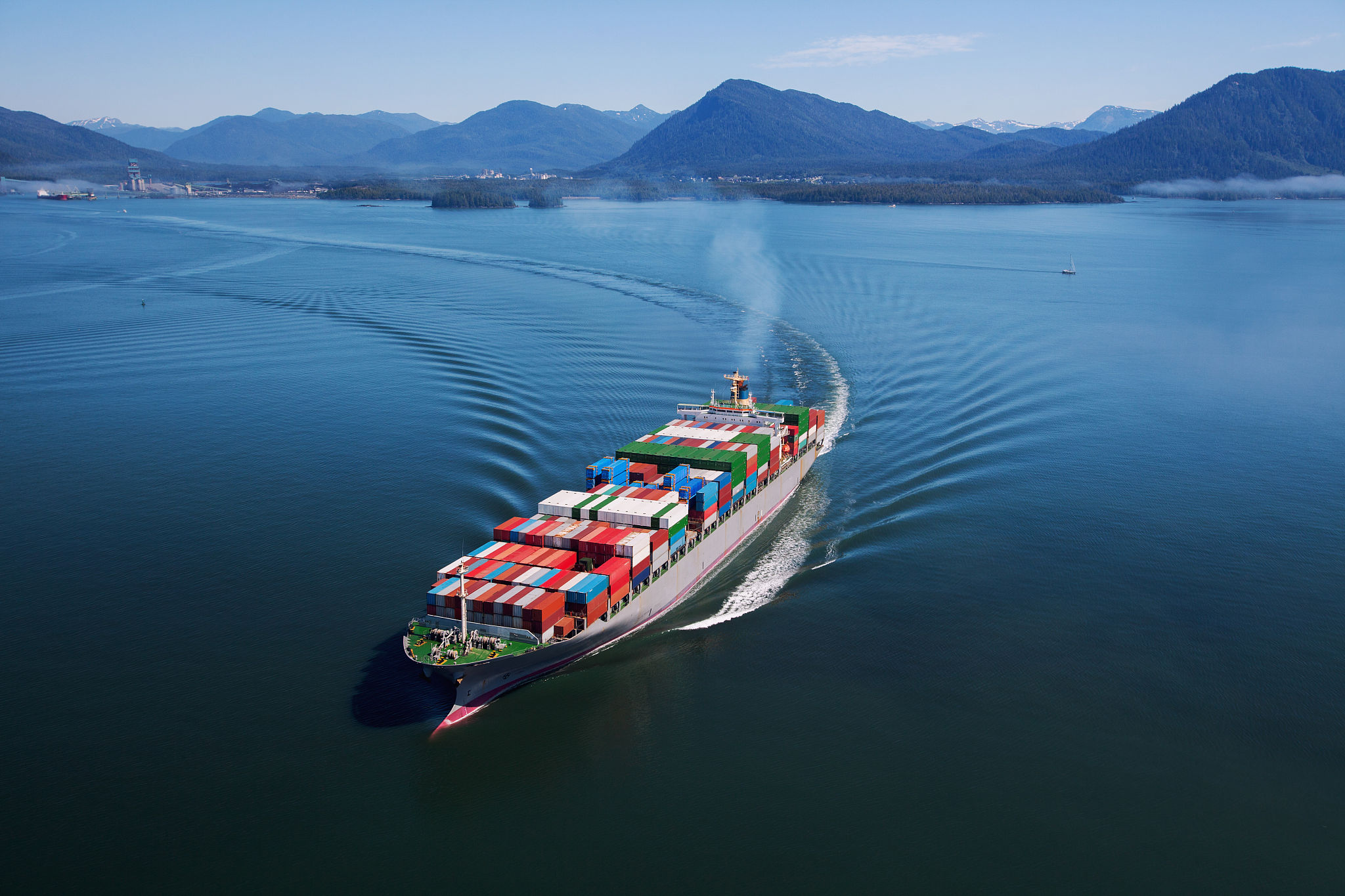
Singapore serves as one of the most efficient maritime gateways in the world, offering unparalleled connectivity between Asian manufacturing hubs and European markets. Consequently, many shippers utilize this route to avoid congestion in direct Chinese ports during peak export seasons.
Moreover, the city-state provides world-class infrastructure that ensures minimal cargo handling delays. Therefore, choosing a route that incorporates Singapore can often lead to more predictable delivery schedules despite the additional stop.
Additionally, the strategic location of Singapore allows for flexible multi-modal transitions. Indeed, businesses can easily switch from sea to air freight if urgent deadlines arise during the transit process.
Nevertheless, understanding the specific dynamics of Europe trade lanes is essential for any logistics manager. Meanwhile, the integration of Singapore into your route offers a buffer against regional disruptions in the South China Sea.
How Does Transshipment via Singapore Compare to Other Shipping Options?
Evaluating the efficiency of china to europe shipping singapore requires a direct comparison with traditional direct sea routes and overland rail options. While direct routes are often faster on paper, they frequently suffer from equipment shortages at major Chinese ports.
On the other hand, Singapore maintains high container availability and consistent vessel berthing windows. As a result, the total landed time may be more reliable when transshipping through this hub.
Furthermore, for shipments originating in Southern China, the proximity to Singapore makes it a natural consolidation point. To summarize, the choice depends on your specific priorities regarding cost, speed, and reliability.
| Shipping Method | Cost Range | Transit Time | Best For | Limitations |
|---|---|---|---|---|
| Direct Sea Freight | $3,000 – $4,500 | 28-35 Days | Bulk cargo | Port congestion |
| Singapore Transshipment | $3,200 – $4,800 | 32-40 Days | Reliability | Extra handling |
| Rail Freight | $6,000 – $8,500 | 18-22 Days | Mid-value goods | Landlocked routes |
| Air Freight | $15,000 – $25,000 | 5-8 Days | Urgent/High value | Highest cost |

Primary Shipping Methods for China to Europe Cargo
Selecting the right mode of transport is the most critical decision in your logistics planning. For most high-volume shipments, sea freight remains the most economical choice for reaching European destinations.
However, when time is of the essence, air freight provides a rapid solution that bypasses maritime bottlenecks entirely. Additionally, for those seeking a middle ground, rail freight offers a competitive balance of speed and cost.
Furthermore, businesses must consider the nature of their goods before committing to a specific method. For instance, perishable items or high-tech electronics often justify the higher expense of air or express services.
Navigating Customs and Documentation Requirements
Successful china to europe shipping singapore depends heavily on accurate documentation and regulatory compliance. Consequently, engaging a professional customs brokerage service can prevent costly delays at both the transshipment hub and the final destination.
Indeed, each European Union country may have specific VAT and duty requirements that differ slightly from its neighbors. Therefore, you must ensure all commercial invoices and packing lists are meticulously prepared.
Moreover, the transshipment process in Singapore requires specific manifest filings to maintain the tax-exempt status of the goods while in port. Accordingly, working with an experienced partner ensures these administrative hurdles are cleared smoothly.
| Document Type | Responsibility | Importance | Typical Lead Time |
|---|---|---|---|
| Bill of Lading | Carrier | Critical | 2-3 Days |
| Commercial Invoice | Shipper | Mandatory | 1 Day |
| Packing List | Shipper | High | 1 Day |
| Certificate of Origin | Shipper/Chamber | Varies | 3-5 Days |
Shipping Costs and Transit Times in 2025
Current market data suggests that freight rates have stabilized following the volatility of previous years. Nevertheless, seasonal demand during the third quarter typically leads to a 15-20% increase in ocean freight pricing.
Specifically, for the china to europe shipping singapore route, shippers should budget for transshipment fees which generally range from $150 to $300 per container. In contrast, these fees are often offset by lower base ocean freight rates available in the Singapore-Europe lane.
Additionally, fuel surcharges remain a variable factor that can influence total landed costs. Without a doubt, requesting a real-time quote is the only way to ensure budget accuracy for upcoming shipments.

Which Option Should You Choose? Decision Framework
Choosing between direct routes and transshipment via Singapore depends on several key variables. If your priority is the lowest possible cost, direct LCL or FCL shipments from major Chinese ports are usually preferable.
However, if you prioritize supply chain resilience and want to avoid the risk of ‘rolled’ cargo at congested Chinese terminals, Singapore transshipment is the superior choice. Furthermore, consider the cargo volume; shipments under 15 CBM often benefit more from the consolidation services available in Singapore.
Meanwhile, for high-value cargo requiring maximum security, the advanced tracking and handling systems in Singapore provide significant peace of mind. Consequently, the decision should align with your broader business objectives and risk tolerance.
Real-World Case Studies for China to Europe Routes
Examining actual shipping scenarios provides valuable insights into the practicalities of international logistics. These cases illustrate the diversity of solutions available for modern importers.
Based on Q4 2024 market rates, the following examples highlight how different strategies impact the final outcome. In addition, these studies reflect typical challenges such as seasonal congestion and documentation requirements.
Case Study 1: Electronics from Shenzhen to Hamburg
Box Case Study 1: High-Tech Consolidation
Route: Shenzhen, China to Hamburg, Germany via Singapore
Cargo: Consumer Electronics, 12 CBM, 4,500 kg
Container: LCL (Less than Container Load)
Shipping Details:
– Carrier: Major Global Carrier
– Port of Loading: Shenzhen (Yantian)
– Port of Discharge: Hamburg
– Route Type: Transshipment via Singapore
Cost Breakdown:
– Ocean Freight: $1,450
– Origin Charges: $320
– Destination Charges: $450
– Customs & Duties: $2,100 (estimated)
– Total Landed Cost: $4,320
Timeline:
– Booking to Loading: 4 days
– Sea Transit: 34 days
– Customs Clearance: 2 days
– Total Door-to-Door: 40 days
Key Insight: Using Singapore for consolidation allowed the shipper to avoid a 10-day delay at the Yantian terminal during a peak electronics release cycle.
Case Study 2: Industrial Machinery from Ningbo to Rotterdam
Box Case Study 2: Full Container Load Efficiency
Route: Ningbo, China to Rotterdam, Netherlands
Cargo: Industrial Lathes, 40HQ Container, 18,000 kg
Container: 40HQ
Shipping Details:
– Carrier: COSCO
– Port of Loading: Ningbo-Zhoushan
– Port of Discharge: Rotterdam
– Route Type: Direct Sea Freight
Cost Breakdown:
– Ocean Freight: $3,850
– Origin Charges: $550
– Destination Charges: $680
– Customs & Duties: $1,200 (estimated)
– Total Landed Cost: $6,280
Timeline:
– Booking to Loading: 6 days
– Sea Transit: 31 days
– Customs Clearance: 3 days
– Total Door-to-Door: 40 days
Key Insight: Direct shipping was more cost-effective for a full container, though it required a longer booking lead time due to equipment shortages in Ningbo.
Alternative Strategies for Cost-Saving
Implementing alternative strategies can significantly reduce your logistics spend without sacrificing service quality. For instance, consider sea-air hybrid solutions where cargo moves by sea to Singapore and then by air to Europe.
Additionally, optimizing your packaging to increase CBM efficiency can lower your per-unit shipping cost. Moreover, utilizing bonded warehousing in Singapore allows you to defer duties and manage inventory more flexibly.
Furthermore, negotiating long-term contracts with freight forwarders can protect you from sudden spot market price spikes. To summarize, a proactive approach to logistics management often yields the best financial results.
Mastering Your China to Europe Logistics
In conclusion, navigating the route for china to europe shipping singapore requires a balance of strategic planning and market awareness. By understanding the various shipping methods, from sea and rail to transshipment hubs, you can build a more resilient supply chain.
Indeed, the choice of a reliable partner and the correct transport mode will ultimately determine your success in the competitive European market. We encourage you to use the data and frameworks provided in this guide to make informed logistics decisions.

Ready to streamline your logistics?
Ready to optimize your supply chain with expert china to europe shipping singapore solutions? Contact our logistics specialists today to receive a customized freight quote tailored to your specific business needs.
Request Quote