
FCL Shipping China for Amazon Sellers: The Ultimate 2025 Guide
Scaling an e-commerce business requires a robust and reliable supply chain to maintain stock levels. China World Cargo provides specialized logistics solutions that help entrepreneurs navigate the complexities of international trade. Utilizing fcl shipping china for amazon sellers is often the most cost-effective method for moving high volumes of inventory across the ocean. This comprehensive guide will explore how to optimize your shipping strategy, reduce landed costs, and ensure your products reach Amazon fulfillment centers without delay.
What is FCL Shipping and Why Does it Matter for Amazon Sellers?
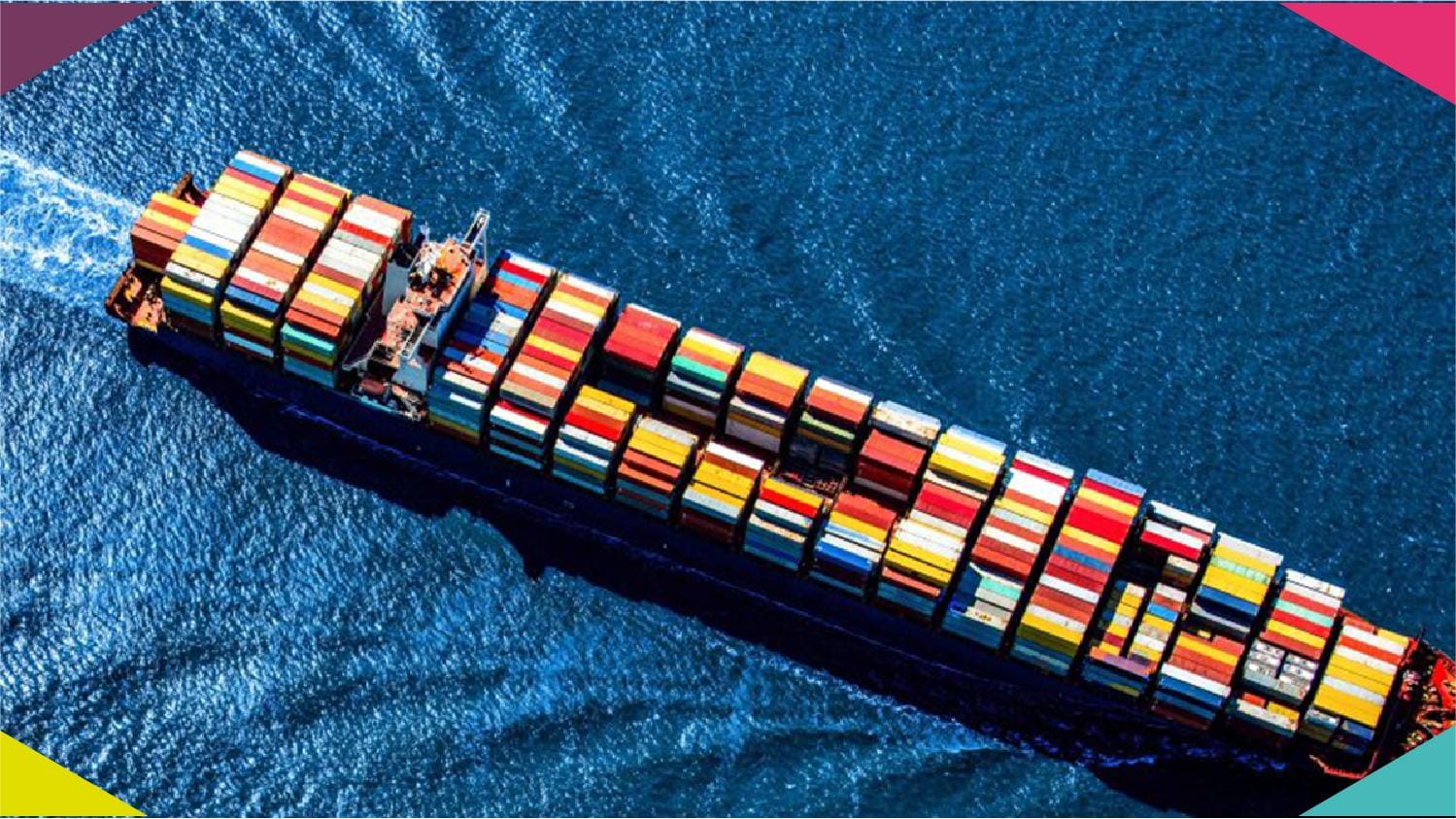
Full Container Load (FCL) refers to a shipping mode where a single importer occupies the entire space of a sea container. Moreover, this method differs from Less than Container Load (LCL), where multiple shippers share space within one unit. Consequently, fcl shipping china for amazon sellers offers greater security because the container remains sealed from the point of origin to the destination.
Choosing FCL is particularly beneficial when your inventory volume exceeds 15 to 20 cubic meters. Furthermore, it simplifies the logistics process by reducing the number of touchpoints your goods encounter. Therefore, sellers often experience fewer damages and faster transit times when they control the entire container environment.
Indeed, managing FBA inventory management becomes more predictable when you utilize dedicated containers. Additionally, the per-unit shipping cost typically drops significantly as you scale your order volume. As a result, professional sellers prioritize FCL to maintain healthy profit margins in a competitive marketplace.
How Does FCL Shipping Compare to Other Shipping Options?
Analyzing different transportation modes is essential for making informed supply chain decisions. While air freight offers unmatched speed, the costs are often prohibitive for heavy or bulky items. On the other hand, sea freight provides a balance of capacity and affordability that suits most e-commerce business models.
For instance, FCL is generally faster than LCL because it avoids the time-consuming consolidation and deconsolidation processes at the port. Specifically, your cargo moves directly from the factory to the port and then to the final warehouse. In contrast, LCL shipments may sit in a warehouse for several days waiting for other goods to fill the container.
Meanwhile, rail freight serves as a middle ground for shipments to Europe, offering faster transit than sea but lower costs than air. However, for sellers targeting North America or Australia, sea freight remains the primary ocean-going option. Below is a detailed comparison of the most common methods used by Amazon sellers today.
| Shipping Method | Cost Range | Transit Time | Best For |
|---|---|---|---|
| FCL Sea Freight | $2,500 – $5,500 | 18 – 40 Days | Bulk inventory and high volume |
| LCL Sea Freight | $50 – $150 per CBM | 25 – 45 Days | Small batches under 15 CBM |
| Air Freight | $5 – $10 per KG | 5 – 9 Days | Urgent restocks or light items |
| Rail Freight | $1,800 – $3,200 | 15 – 22 Days | Europe-bound heavy shipments |
The Benefits of Choosing FCL Shipping China for Amazon Sellers
Security remains a top priority for businesses shipping high-value electronics or fragile home goods. Because the container is sealed at the factory, the risk of theft or tampering is greatly minimized. Additionally, using Amazon FBA logistics services alongside FCL ensures that your bulk shipments are handled according to Amazon’s strict receiving guidelines.
Furthermore, FCL shipping provides more flexibility regarding delivery schedules and port selection. Sellers can choose specific carriers that offer direct routes to the ports closest to their assigned FBA warehouses. Consequently, this strategic planning reduces the final mile delivery costs and speeds up the check-in process at the fulfillment center.
Moreover, the simplified documentation process for FCL often leads to fewer customs delays. Since the entire container belongs to one consignee, there is no risk of your goods being held up due to another shipper’s paperwork errors. Therefore, FCL is the preferred choice for established brands that require a high level of supply chain reliability.
Calculating Costs: Understanding Freight Rates and Surcharges
Understanding sea freight costs 2025 is vital for accurate product pricing and budgeting. FCL rates are generally quoted per container rather than per weight or volume, making the cost predictable. However, sellers must account for various surcharges such as Bunker Adjustment Factor (BAF) and Peak Season Surcharges (PSS).
Specifically, ocean freight rates fluctuate based on global demand, fuel prices, and port congestion levels. For example, shipping a 40HQ container from Shanghai to New York might cost significantly more during the Q4 peak season than in February. In addition, local charges at both the origin and destination ports can add several hundred dollars to the total invoice.
Note: Freight rates are subject to change based on fuel costs, carrier capacity, and seasonal demand. Contact us for a current quote tailored to your specific shipment. Market data suggests that rates have stabilized in early 2025, but geopolitical factors still influence weekly pricing trends.
| Route (China to) | 20GP Container | 40HQ Container | Transit Time |
|---|---|---|---|
| USA West Coast | $1,800 – $2,600 | 2,900 – $3,900 | 14 – 20 Days |
| USA East Coast | $2,800 – $3,800 | $4,200 – $5,800 | 30 – 38 Days |
| Europe (Main Ports) | $2,100 – $2,900 | $3,400 – $4,600 | 28 – 35 Days |
| Australia | $900 – $1,400 | $1,600 – $2,200 | 12 – 20 Days |
Key Transit Times from Major Chinese Ports to Global Hubs
Choosing the right port of loading can significantly impact your overall ocean freight transit times. Major hubs like Ningbo, Shanghai, and Shenzhen offer the most frequent sailings and competitive rates to global destinations. Additionally, these ports have advanced infrastructure to handle massive 40HQ container capacity efficiently.
For instance, shipping from Ningbo to Long Beach is typically the fastest route for US-bound inventory. Consequently, many Amazon sellers focus their manufacturing in the Zhejiang province to take advantage of these quick transit lanes. On the other hand, shipments to the UK or Germany must navigate the Suez Canal, which naturally extends the journey.
Furthermore, sellers should account for the time required for trucking from the factory to the port and the subsequent customs clearance. Indeed, a direct sailing might take 15 days, but the total door-to-door timeline could be 25 days. Therefore, always build a buffer into your delivery schedule to avoid out-of-stock scenarios on Amazon.
Essential Documentation for Seamless Customs Brokerage
Navigating international trade laws requires precise documentation to avoid costly storage fees at the port. Utilizing a professional customs brokerage service is often the best way to ensure compliance with local regulations. Essential documents include the Commercial Invoice, Packing List, and the Bill of Lading.
Moreover, Amazon sellers must ensure their products meet specific safety standards and have the correct Harmonized System (HS) codes. Incorrect classification can lead to heavy fines or even the seizure of your inventory by customs authorities. Consequently, verifying your import duties from China before the ship leaves the port is a critical step in the process.
Additionally, some products may require specialized certificates, such as an FDA release for food-contact items or a CPSC certificate for toys. To summarize, being proactive with your paperwork prevents bottlenecks and ensures a smooth transition from the sea to the warehouse. Indeed, a well-prepared seller is a successful seller in the e-commerce landscape.
Case Studies: Real-World FCL Success Stories
Reviewing real-world examples helps sellers understand the practical application of bulk shipping for e-commerce. These scenarios reflect typical market conditions and highlight the importance of choosing the right freight forwarder China. Below are two detailed case studies based on recent shipments managed for Amazon sellers.
+———————————————————+ | Case Study 1: Electronics from Shenzhen | | Route: Shenzhen, China to Los Angeles, USA | | Cargo: Consumer Electronics, 65 CBM, 18000 kg | | Container: 40HQ | | | | Shipping Details: | | – Carrier: COSCO | | – Port of Loading: Shenzhen | | – Port of Discharge: Los Angeles | | – Route Type: Direct | | | | Cost Breakdown: | | – Ocean Freight: $3,450 | | – Origin Charges: $450 | | – Destination Charges: $600 | | – Customs & Duties: $4,200 | | – Total Landed Cost: $8,700 | | | | Timeline: | | – Booking to Loading: 4 days | | – Sea Transit: 16 days | | – Customs Clearance: 3 days | | – Total Door-to-Door: 23 days | | | | Key Insight: Direct routing saved 5 days of transit. | +———————————————————+
+———————————————————+ | Case Study 2: Home Decor to Hamburg | | Route: Ningbo, China to Hamburg, Germany | | Cargo: Wooden Furniture, 28 CBM, 12000 kg | | Container: 20GP | | | | Shipping Details: | | – Carrier: Maersk | | – Port of Loading: Ningbo | | – Port of Discharge: Hamburg | | – Route Type: Direct | | | | Cost Breakdown: | | – Ocean Freight: $2,200 | | – Origin Charges: $380 | | – Destination Charges: $520 | | – Customs & Duties: $1,850 | | – Total Landed Cost: $4,950 | | | | Timeline: | | – Booking to Loading: 5 days | | – Sea Transit: 32 days | | – Customs Clearance: 4 days | | – Total Door-to-Door: 41 days | | | | Key Insight: FCL was 15% cheaper than LCL for this size.| +———————————————————+
Which Option Should You Choose? Decision Framework
Determining the best shipping strategy depends on your current inventory needs and financial constraints. If your primary goal is budget priority, then FCL is almost always the winner for large volumes. However, if speed priority is your main concern, you might consider a hybrid sea-air solution to bridge the gap during stockouts.
Specifically, once your shipment reaches 15 CBM, you should start comparing LCL and 20GP container rates. Often, the cost of a full 20GP container is nearly identical to 15 CBM of LCL space, but with the added benefits of FCL. Furthermore, cargo type considerations play a role; fragile items should always travel via FCL to minimize handling.
In addition, consider the geographical location of your FBA warehouses. For West Coast USA warehouses, sea freight is highly efficient, whereas East Coast destinations might benefit from a land-bridge service via rail from the West Coast. Consequently, evaluating these trade-offs will lead to a more resilient supply chain optimization strategy.
Optimizing Your Supply Chain with Door to Door Services
Managing multiple logistics providers can be overwhelming for busy e-commerce entrepreneurs. Utilizing door to door logistics allows you to focus on marketing and sales while experts handle the freight. This service covers everything from factory pickup in China to final delivery at the Amazon warehouse.
Moreover, integrated Amazon FBA prep services can be included in this process. This ensures that your products are correctly labeled and palletized before they arrive at Amazon, preventing costly rejection fees. Therefore, a comprehensive end-to-end solution provides peace of mind and operational efficiency.
Indeed, the synergy between a reliable freight forwarder and your manufacturing partners is the foundation of a successful brand. By consolidating your shipping needs into a single FCL strategy, you reduce administrative overhead and improve your bottom line. As a result, your business becomes more scalable and better equipped to handle seasonal demand spikes.
Mastering Bulk Shipping for E-commerce Success
To summarize, fcl shipping china for amazon sellers is a cornerstone of a profitable and efficient e-commerce business. By choosing full container loads, you gain better control over your inventory, reduce per-unit costs, and enhance the security of your goods. Throughout this guide, we have highlighted the importance of understanding transit times, documentation, and the strategic benefits of FCL over other methods.
Indeed, the logistics landscape is constantly evolving, making it essential to partner with experienced professionals. By leveraging the insights and data provided, you can make informed decisions that support your long-term growth. Start optimizing your shipping strategy today to ensure your products are always ready for your customers.
Ready to streamline your logistics?
Ready to streamline your logistics and reduce your landed costs? Contact our team today to get a customized quote for fcl shipping china for amazon sellers and discover how we can optimize your FBA supply chain. Visit our website to start your inquiry.
Request Quote