
China to Australia Shipping for Amazon Sellers Singapore: A Comprehensive Logistics Guide
Navigating the complexities of international logistics requires a reliable partner like China World Cargo to ensure business growth. Singapore-based entrepreneurs often source products from Chinese factories to supply the growing Australian e-commerce market. Consequently, understanding the nuances of china to australia shipping for amazon sellers singapore is essential for maintaining healthy profit margins and ensuring timely inventory replenishment.

Understanding the Logistics Landscape for Singapore Sellers
Managing a business from Singapore while moving goods between China and Australia presents unique coordination challenges. However, the rise of digital freight forwarding has made it significantly easier to track shipments across these three major hubs. Singaporean sellers must focus on landed cost calculations to remain competitive in the Australian marketplace.
Furthermore, selecting the right incoterms, such as FOB or EXW, determines your level of control over the supply chain. Most successful sellers choose to work with specialized forwarders who handle the entire process from the factory gate to the Amazon fulfillment center. This approach reduces the risk of communication breakdowns and ensures compliance with Australian import regulations.
How Does Sea Freight Compare to Other Shipping Options?
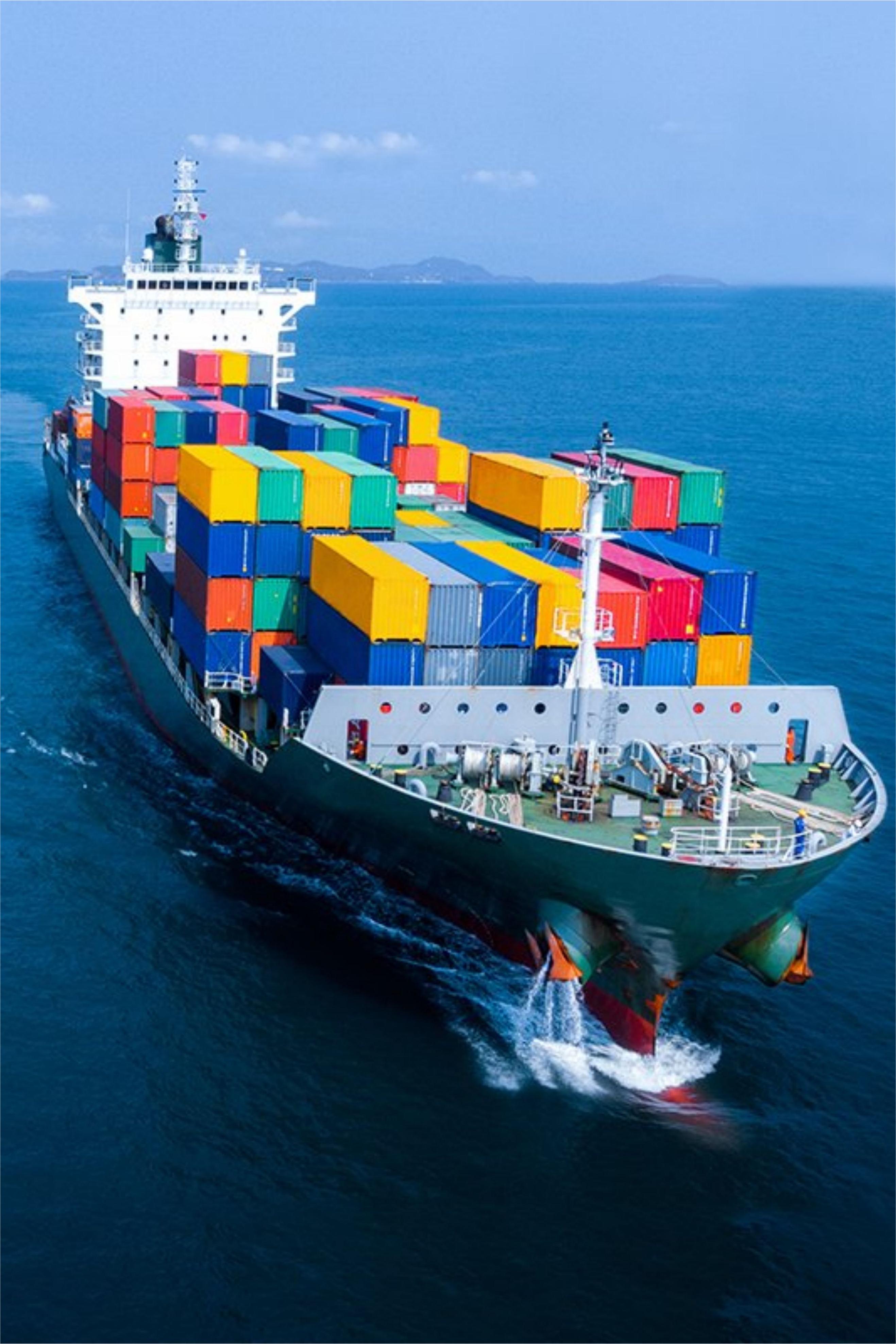
Choosing sea freight is often the most economical choice for bulky or heavy items. While it takes longer than air transport, the cost per cubic meter is substantially lower for high-volume shipments. For instance, shipping a full container can be up to 80 percent cheaper than equivalent air cargo.
Nevertheless, sea freight requires careful planning to account for longer transit times and potential port congestion. Sellers should maintain a buffer in their inventory levels to prevent stockouts during peak seasons. The following table provides an objective comparison of the primary shipping methods available for this route.
| Shipping Method | Cost Range | Transit Time | Best For |
|---|---|---|---|
| Sea Freight (LCL) | $150 – $300 per CBM | 18 – 25 Days | Shipments 1-15 CBM |
| Sea Freight (FCL) | $800 – $1,800 per Container | 12 – 18 Days | High volume bulk goods |
| Air Freight | $4.50 – $8.00 per KG | 5 – 8 Days | High value or urgent items |
| Express Service | $7.00 – $12.00 per KG | 3 – 5 Days | Small samples or urgent restocks |

Choosing Between Air Freight and Sea Freight for FBA
Utilizing air freight is a strategic move when launching new products or responding to sudden spikes in demand. Speed is the primary advantage here, allowing sellers to turn over capital much faster than ocean-bound inventory. Additionally, air transport offers higher security for sensitive electronics or high-fashion items.
On the other hand, sea freight remains the backbone of the global supply chain for a reason. Specifically, it allows for the transport of hazardous materials and oversized goods that are restricted on aircraft. Most seasoned Amazon sellers use a hybrid strategy, sending a small portion via air to stay in stock while the bulk of the order travels by sea.
Essential Documentation for Australian Customs Clearance
Professional customs brokerage services are vital for navigating the strict biosecurity laws in Australia. The Australian Border Force requires precise documentation, including commercial invoices, packing lists, and packing declarations. Any errors in these documents can lead to expensive delays or even the seizure of goods.
Moreover, Singaporean sellers must be aware of the Goods and Services Tax (GST) requirements for imports. Australia applies a 10 percent GST on most imported goods, and understanding how to claim these credits is crucial for your bottom line. Indeed, having a clear paper trail for every shipment ensures a smooth entry into the Australian market.
Which Shipping Option Should You Choose?
Determining the best shipping method depends on your specific budget, timeline, and cargo volume. If your priority is minimizing costs and your volume exceeds 15 CBM, a 20GP container is likely the most efficient route. Conversely, if you are shipping lightweight items under 100kg, air express may offer better value when factoring in local handling fees.
Market data suggests that for shipments between 2 and 10 CBM, Less than Container Load (LCL) shipping provides the best balance of cost and speed. However, if your goods are time-sensitive, the higher cost of air freight is often justified by the prevention of lost sales. Always consider the total landed cost rather than just the freight rate alone.
Real Case Studies: Success Stories for Amazon Sellers
Case Study 1: Electronics restock from Shenzhen to Sydney. A Singapore seller moved 5 CBM of smart home devices via LCL. The total ocean freight cost was $1,250 with a total door-to-door timeline of 24 days. By using a direct route, they saved 6 days compared to transshipment via Port Klang.
Case Study 2: Home Decor from Ningbo to Melbourne. A seller shipped a 20GP container of ceramic vases. The ocean freight was $1,100, while destination charges and customs totaled $950. The total landed cost was significantly lower than their previous air freight attempts, allowing them to lower prices and capture more market share.
Note: Freight rates are subject to change based on fuel costs, carrier capacity, and seasonal demand. Contact us for a current quote tailored to your specific shipment.
Managing Amazon FBA Requirements in Australia
Compliance with Amazon FBA standards is mandatory to avoid rejection at the warehouse. This includes specific palletizing requirements, labeling standards, and delivery appointment scheduling through the Carrier Central portal. Failure to follow these rules often results in additional fees and warehouse delays.
Additionally, sellers should verify that their freight forwarder has experience with Australian FBA centers like BWU2 or MEL1. These facilities have strict entry protocols that only authorized carriers can navigate efficiently. Consequently, choosing a partner with a local Australian network is a significant advantage for Singapore-based sellers.
Final Thoughts on Shipping from China to Australia
To summarize, mastering china to australia shipping for amazon sellers singapore requires a blend of strategic planning and reliable partnerships. By choosing the right shipping method and ensuring documentation accuracy, you can build a resilient e-commerce business. Whether you opt for sea or air freight, focusing on long-term efficiency will always yield the best results.
Consider starting with a small shipment to test your logistics flow before scaling up to full containers. As you grow, leverage the expertise of <a href=”https://chinaworldcargo.com/shipping-from-china-to-australia/”>shipping from China to Australia</a> specialists to navigate market fluctuations. Your success in the Australian market depends heavily on the strength of your logistics backbone.
Ready to streamline your logistics?
Ready to optimize your supply chain and reduce costs? Contact our team today to get a customized quote for your china to australia shipping for amazon sellers singapore. We provide end to end solutions that keep your inventory moving and your profits growing. Send Inquiry: info@chinaworldcargo.com
Request Quote