FCL Shipping China International UAE: The Complete 2025 Logistics Guide
Managing global logistics requires a strategic approach to ensure goods arrive safely and on time. When you choose fcl shipping china international uae, you gain access to a dedicated container space that minimizes handling and maximizes security. Consequently, businesses can streamline their supply chain by partnering with experienced providers like China World Cargo to handle complex international routes. This guide explores everything from current freight rates to customs regulations in Dubai and Abu Dhabi.

Understanding FCL Shipping China International UAE
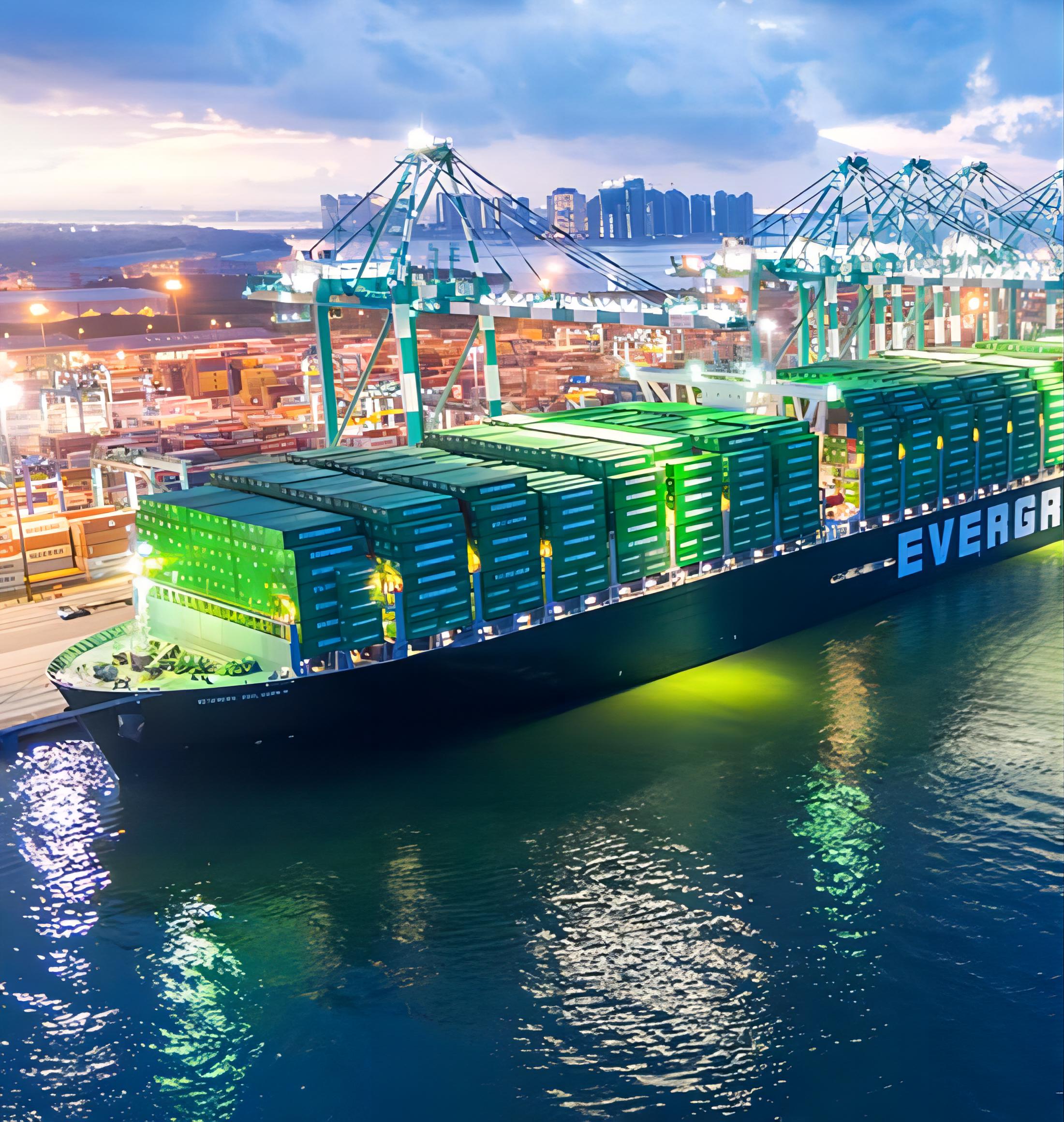
Full Container Load (FCL) represents the most efficient way to transport large volumes of goods across the ocean. When businesses utilize sea freight for their international needs, they rent an entire 20ft or 40ft container for their exclusive use. Indeed, this method provides significant advantages in terms of cargo safety and cost-per-unit for high-volume shipments.
Specifically, FCL shipping china international uae involves sealing the container at the point of origin and only opening it at the final destination. Furthermore, this reduction in handling decreases the risk of damage or loss during transit compared to shared container options. Therefore, companies shipping fragile or high-value items often prefer this dedicated solution for their Middle Eastern trade routes.
Moreover, the process begins with selecting the right container size based on the total volume of your inventory. Usually, a 20GP container fits about 28-30 cubic meters, while a 40HQ can accommodate up to 76 cubic meters of goods. Consequently, choosing the correct size is vital for optimizing your shipping budget and ensuring space efficiency.
How Does FCL Shipping Compare to Other Shipping Options?
Choosing between different logistics methods depends heavily on your budget, timeline, and cargo volume. While FCL offers exclusivity, other options like LCL or air freight might suit specific business needs or urgent deadlines. Notably, sea freight remains the backbone of trade between China and the UAE due to its balance of cost and capacity.
However, air freight serves as a faster alternative for time-sensitive electronics or fashion items that cannot wait for ocean transit. In contrast, FCL shipping china international uae provides a much lower cost-per-kilogram, making it the standard for furniture, machinery, and bulk commodities. Additionally, hybrid solutions like sea-air combinations can sometimes bridge the gap between speed and economy.
Ultimately, businesses must evaluate the trade-offs between transit speed and total landed cost. For instance, shipping a 40HQ container might take 20 days but costs a fraction of what an equivalent weight in air cargo would require. Accordingly, planning ahead allows you to take advantage of the lower rates offered by ocean carriers.
| Shipping Method | Cost Range (USD) | Transit Time | Best For |
|---|---|---|---|
| FCL (20GP) | $1,500 – $2,200 | 18-25 Days | Bulk Goods |
| LCL (per CBM) | $60 – $110 | 22-30 Days | Small Batches |
| Air Freight (per kg) | $4.50 – $8.00 | 3-7 Days | Urgent Items |
| Express Service | $8.00 – $12.00 | 2-5 Days | Samples |

Key Logistics Hubs: China to UAE Routes
Major ports in China serve as the starting point for thousands of containers heading toward the Persian Gulf every week. Ports like Shanghai, Ningbo-Zhoushan, and Shenzhen offer the most frequent departures and competitive rates for FCL shipping china international uae. Furthermore, these hubs provide advanced infrastructure for rapid container loading and efficient customs processing.
On the receiving end, the UAE boasts world-class maritime facilities such as Jebel Ali Port in Dubai and Khalifa Port in Abu Dhabi. Specifically, Jebel Ali stands as the largest man-made harbor in the world and serves as a vital gateway for the entire Middle East region. Therefore, selecting the right port of discharge can significantly impact your final delivery timeline and local trucking costs.
Meanwhile, transit times vary slightly depending on whether the vessel sails directly or stops at intermediate ports like Singapore. For example, a direct route from Shenzhen to Jebel Ali typically takes between 15 and 18 days under normal conditions. Consequently, understanding these schedules helps businesses maintain consistent inventory levels and meet customer expectations.
| Origin Port (China) | Destination Port (UAE) | Direct Transit | Frequency |
|---|---|---|---|
| Shenzhen | Jebel Ali | 15-18 Days | Daily |
| Shanghai | Abu Dhabi | 20-22 Days | 3x Weekly |
| Ningbo | Sharjah | 22-25 Days | 2x Weekly |
| Guangzhou | Jebel Ali | 16-19 Days | Daily |
Cost Breakdown for FCL Shipping China International UAE
Understanding the various components of shipping costs is essential for accurate financial planning and budgeting. Beyond the base ocean freight rate, importers must account for terminal handling charges, documentation fees, and local port dues. Moreover, fuel surcharges known as BAF (Bunker Adjustment Factor) often fluctuate based on global oil prices.
Indeed, freight rates for fcl shipping china international uae can change weekly due to market demand and carrier capacity. For instance, rates usually peak during the months leading up to the Chinese New Year or the year-end holiday season. Additionally, insurance premiums should be included to protect your investment against unforeseen maritime risks.
Note: Freight rates are subject to change based on fuel costs, carrier capacity, and seasonal demand. Contact us for a current quote tailored to your specific shipment. Market data suggests that 2025 rates have stabilized, though peak season surcharges of 15-20% remain common during high-demand periods.
Essential Documentation and Customs Clearance
Navigating the legal requirements for international trade is a critical step in avoiding costly delays at the border. Every shipment requires a standard set of documents, including the Commercial Invoice, Packing List, and Bill of Lading. Furthermore, working with a professional customs brokerage ensures that all paperwork complies with UAE Federal Customs Authority regulations.
Specifically, the UAE requires a Certificate of Origin for many types of goods to determine applicable tariffs and trade agreements. Consequently, failure to provide accurate documentation can result in container inspections, storage fees, or even cargo rejection. Therefore, verifying all details before the vessel departs China is a best practice for successful importers.
Moreover, certain products like food, chemicals, or electronics may require additional permits from specific UAE ministries. For example, telecommunications equipment often needs approval from the TRA (Telecommunications and Digital Government Regulatory Authority). Accordingly, staying informed about local standards prevents logistical bottlenecks upon arrival.
| Document Name | Purpose | Required By | Timeline |
|---|---|---|---|
| Bill of Lading | Title of Goods | Carrier/Customs | At Loading |
| Commercial Invoice | Value Declaration | Customs | Pre-arrival |
| Packing List | Content Detail | Warehouse/Customs | Pre-arrival |
| Cert. of Origin | Trade Compliance | Customs | At Loading |
Real-World Case Studies: China to UAE Shipments
Reviewing actual shipping scenarios provides valuable insight into the practical challenges and successes of international logistics. Many businesses find that door to door services simplify the entire process by combining ocean freight with local trucking. Below are two examples of how companies successfully managed their FCL shipments in 2024.
Case Study 1: Electronics Distribution. Route: Shenzhen, China to Jebel Ali, UAE. Cargo: Consumer Electronics, 65 CBM, 12,000 kg. Container: 40HQ. Shipping Details: Major carrier, Direct route. Cost Breakdown: Ocean Freight $2,400, Origin Charges $350, Destination Charges $450, Customs and Duties $1,200. Total Landed Cost: $4,400. Timeline: Booking to Loading 4 days, Sea Transit 16 days, Customs Clearance 2 days, Total Door-to-Door 22 days. Key Insight: Early booking during Q3 avoided the 20% peak season rate hike.
Case Study 2: Furniture Retailer. Route: Ningbo, China to Abu Dhabi, UAE. Cargo: Home Furniture, 28 CBM, 8,500 kg. Container: 20GP. Shipping Details: Transshipment via Singapore. Cost Breakdown: Ocean Freight $1,650, Origin Charges $300, Destination Charges $400, Customs and Duties $900. Total Landed Cost: $3,250. Timeline: Booking to Loading 5 days, Sea Transit 23 days, Customs Clearance 3 days, Total Door-to-Door 31 days. Key Insight: Choosing transshipment saved $300 in freight costs but added 6 days to the schedule.
Which Option Should You Choose? Decision Framework
Selecting the right shipping strategy requires a clear understanding of your business priorities and cargo characteristics. If your primary goal is cost reduction and you have a high volume of goods, FCL shipping china international uae is almost always the best choice. Furthermore, for those selling on Middle Eastern platforms, using Amazon FBA services can streamline the final delivery to local warehouses.
However, if your shipment is smaller than 15 cubic meters, LCL might be more economical despite the higher risk of handling delays. In contrast, if you are launching a new product and need it in Dubai within a week, air freight is the only viable option. Additionally, consider the nature of your cargo; hazardous materials or perishable goods require specialized FCL containers like reefers or dangerous goods units.
Ultimately, you should choose FCL when security and speed are important but you still need to maintain a reasonable budget. For instance, a 20ft container offers a fixed price regardless of whether it is 70% or 100% full, providing predictable costs for planning. Accordingly, evaluating your monthly volume helps determine if moving from LCL to FCL is a financially sound decision.
Mastering Your UAE Supply Chain
Successfully navigating fcl shipping china international uae requires a combination of careful planning, accurate documentation, and the right logistics partner. By understanding the differences between container sizes and transit routes, you can significantly reduce your shipping overhead. Moreover, staying updated on market trends and customs regulations ensures that your business remains competitive in the growing UAE market.
Indeed, the efficiency of full container loads offers a scalable solution for businesses of all sizes looking to import from China. Whether you are shipping electronics, furniture, or industrial machinery, the FCL model provides the security and predictability needed for modern commerce. Therefore, start optimizing your logistics strategy today to take full advantage of the robust trade lane between China and the United Arab Emirates.
Ready to streamline your logistics?
Contact us today to receive a personalized quote for your next fcl shipping china international uae project. Our logistics experts provide end-to-end support for all your container needs from Shenzhen to Dubai. Visit our inquiry page to get started with a free consultation. Send Inquiry: https://chinaworldcargo.com/contact-us/
Request Quote