
Freight Forwarding Services China Near Me: Top Shipping Solutions
Finding reliable freight forwarding services china near me represents the first major hurdle for businesses looking to scale their international operations. Many importers struggle with navigating complex logistics landscapes, but China World Cargo provides the expertise needed to streamline every shipment. This comprehensive guide will help you understand how local expertise and global networks combine to offer the most efficient shipping solutions available today. Consequently, you can focus on growing your business while professionals handle the intricacies of transport and customs.

Why Should You Choose Freight Forwarding Services China Near Me?
Proximity to the manufacturing hub allows a local freight forwarder to respond quickly to changes in production schedules. When you search for freight forwarding services china near me, you are looking for a partner that understands the local landscape and can provide real-time updates. Moreover, having a representative on the ground simplifies the communication between your suppliers and the transport carriers. This relationship ensures that your cargo is prioritized during peak seasons when space on vessels is limited.
Specifically, local agents can perform quality inspections and verify documentation before the goods even leave the warehouse. This proactive approach prevents costly delays that often occur during the export process. Furthermore, international shipping involves numerous stakeholders, and a local forwarder acts as the central point of coordination for all parties. Therefore, choosing a service provider with a strong local presence in China is essential for maintaining a resilient supply chain.
What Are the Primary Shipping Methods Available?
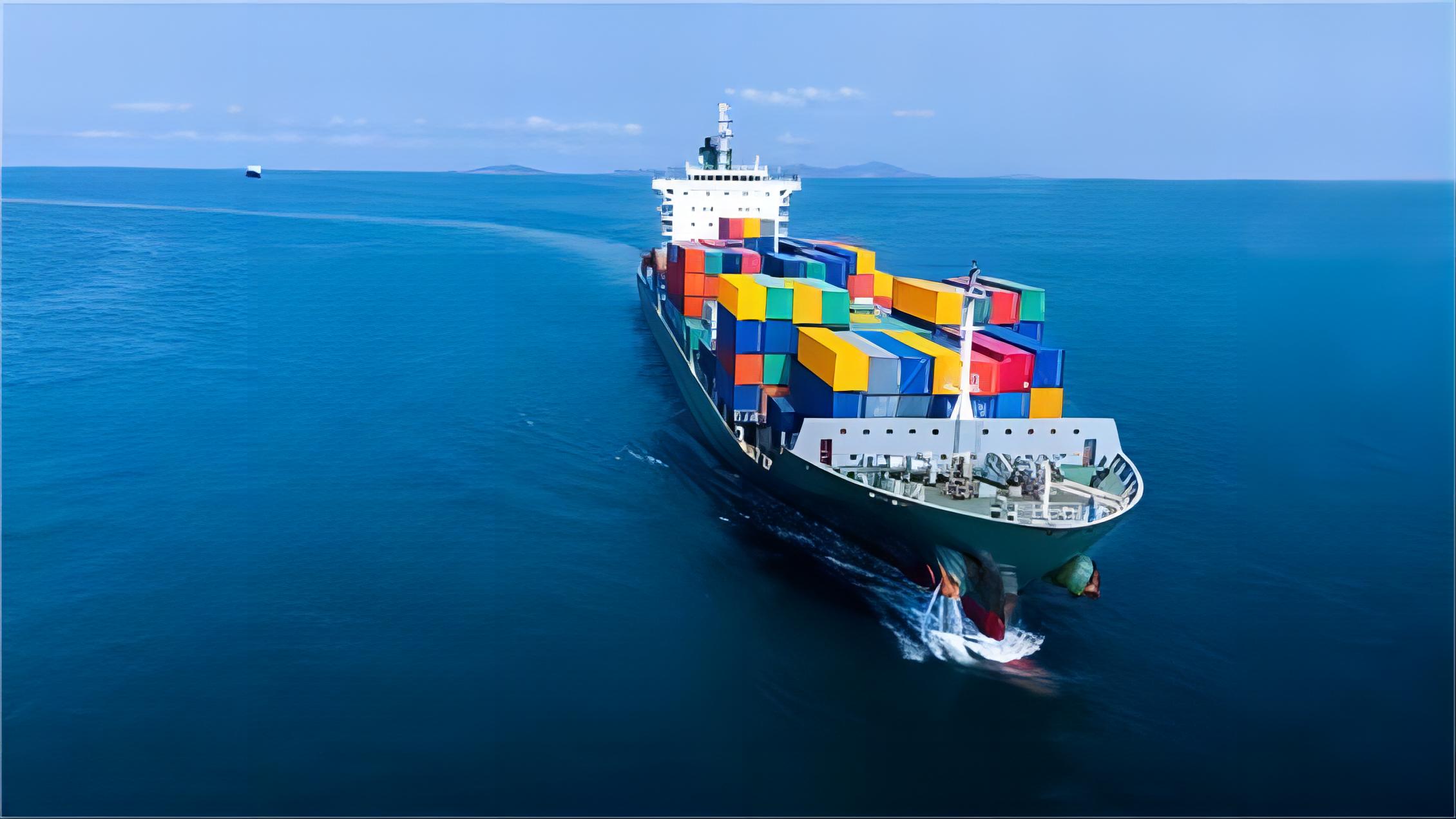
Selecting the right transport mode depends heavily on your budget, timeline, and the nature of your cargo. For large volumes of goods where cost is the primary concern, sea freight remains the most popular choice for global trade. Ocean transport offers the lowest cost per unit, especially for bulky items that do not require immediate delivery. However, transit times are significantly longer compared to other methods.
Alternatively, businesses with urgent requirements or high-value products often opt for air freight to ensure rapid delivery. While the cost is higher, the speed and security provided by air transport are unmatched for time-sensitive inventory. Additionally, rail freight has emerged as a middle-ground solution for shipments moving from China to Europe, offering faster transit than the sea at a lower price than air. Each method has specific advantages that must be weighed against your specific business needs.
| Shipping Method | Cost Range | Transit Time | Best For |
|---|---|---|---|
| Sea Freight | Low ($1,500 – $4,500) | 20 – 45 Days | Bulk goods and cost-saving |
| Air Freight | High ($5 – $12 per kg) | 3 – 7 Days | High-value and urgent cargo |
| Rail Freight | Medium ($2,000 – $6,000) | 15 – 22 Days | China to Europe land routes |
| Express Service | Premium ($8 – $15 per kg) | 2 – 5 Days | Small parcels and samples |
How Does Sea Freight Compare to Other Shipping Options?
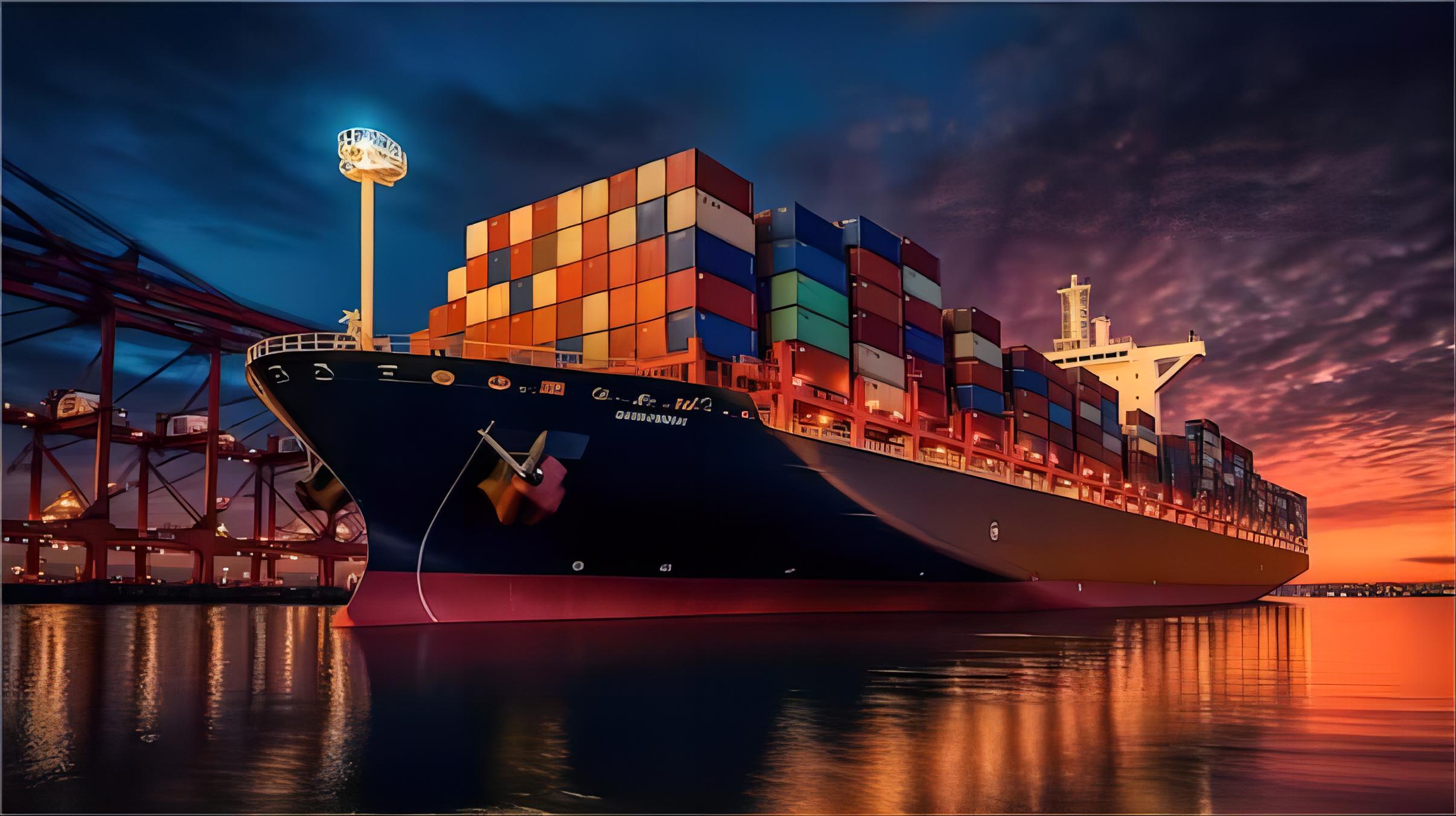
Comparing different logistics strategies is crucial for optimizing your landed cost and delivery schedule. While sea freight costs $2,000-3,500 for a 40HQ container to the US West Coast, air freight for the same volume would cost $15,000-25,000. Consequently, the choice is often dictated by the urgency of the shipment and the profit margins of the products. For shipments under 15 CBM, LCL at $50-80/CBM may be more economical than paying for a full container.
Direct routes typically cost 10-15% more but save 5-7 days compared to transshipment via major hubs like Singapore or Port Klang. Meanwhile, hybrid solutions like sea-air combinations can offer a balance of speed and cost by moving goods by sea to a hub and then by air to the destination. Fundamentally, your decision should align with your inventory turnover rates and customer expectations.
| Shipping Scenario | Primary Choice | Alternative 1 | Alternative 2 |
|---|---|---|---|
| Budget Priority | FCL Sea Freight | LCL Sea Freight | Rail Freight |
| Speed Priority | Direct Air Freight | Express Courier | Sea-Air Hybrid |
| Small Volume | Express Service | LCL Sea Freight | Air Cargo |
Can Professional Customs Brokerage Save You Money?
Navigating the complexities of international trade laws requires specialized knowledge that only a professional customs brokerage can provide. Errors in documentation can lead to significant fines, storage fees, and even the seizure of your goods by authorities. Therefore, investing in expert clearance services is a preventative measure against supply chain disruptions. Indeed, a skilled broker identifies the correct HS codes to ensure you pay the minimum legal duty required.
Documentation requirements often include the commercial invoice, packing list, bill of lading, and certificates of origin. Additionally, certain products may require specific permits or compliance certificates depending on the destination country regulations. By handling these details accurately, your forwarder ensures that your cargo moves through ports without unnecessary delays. Ultimately, smooth customs clearance is the backbone of a reliable delivery schedule.
Why Is Door to Door Delivery Growing in Popularity?
Managing multiple logistics providers can be an administrative nightmare for small and medium-sized enterprises. This is why door to door services have become the preferred choice for modern importers. By consolidating all steps into a single service, you eliminate the need to coordinate between truckers, warehouse staff, and shipping lines. Consequently, this model provides a seamless experience from the factory floor in China to your final destination.
Notably, this service often includes the final mile delivery, which is frequently the most expensive and complex part of the journey. Furthermore, having a single point of contact simplifies tracking and accountability if any issues arise during transit. Similarly, fixed pricing models for door-to-door shipments help businesses manage their budgets with greater predictability. As a result, many companies are shifting away from port-to-port shipping to these all-inclusive logistics packages.
Real-World Case Studies of China Freight Forwarding
Case Study 1: Electronics from Shenzhen to Los Angeles. A tech startup needed to move 15 CBM of consumer electronics via LCL. The cargo was loaded at the Port of Shenzhen and discharged at Los Angeles. Total ocean freight cost was $1,200, with origin and destination charges adding another $800. The total door-to-door time was 22 days, which was successful due to early booking and accurate documentation. Key Insight: Planning 3 weeks in advance secured a lower rate during the Q3 peak season.
Case Study 2: Textiles from Ningbo to Hamburg. A retail chain imported a 40HQ container of garments using a direct route. The ocean freight cost was $3,200 based on Q4 2024 market rates. Total sea transit took 32 days, and customs clearance was completed in 48 hours. Key Insight: Using a direct carrier avoided the 7-day delay typically associated with transshipment in Singapore. This allowed the client to meet their seasonal launch deadline without resorting to expensive air freight.
Case Study 3: Furniture from Guangzhou to Melbourne. A furniture distributor shipped a 20GP container with a total landed cost of $2,400. Sea transit was 16 days from the Port of Nansha. Despite slight port congestion in Melbourne, the shipment arrived within the expected window. Key Insight: Choosing a forwarder with local warehouse space allowed the client to consolidate multiple supplier orders into one container, saving 25% on total shipping costs compared to individual LCL shipments.
Which Shipping Option Should You Choose?
Determining the best logistics path requires a clear understanding of your business priorities and cargo specifications. If your budget is the main priority, we recommend FCL or LCL sea freight, as these offer the most competitive rates for high-volume shipments. For those where speed is the priority, air freight or express services are the only viable options to meet tight deadlines. Additionally, cargo type considerations like weight and fragility may dictate the use of specialized handling services.
Volume thresholds also play a significant role in your decision-making process. For instance, once your shipment exceeds 15 CBM, it is often cheaper to book a full 20GP container rather than paying for LCL space. Conversely, very small shipments under 100kg are almost always best handled via express courier services. By analyzing these factors, you can develop a logistics strategy that maximizes efficiency while minimizing unnecessary expenses. Always consult with your forwarder to get the most current market intelligence before making a final booking.
Current Logistics Trends and Market Intelligence for 2025
As of Q1 2025, freight rates from China have stabilized after the disruptions seen in previous years. However, seasonal patterns still suggest that rates typically increase by 15-25% during the August to October peak season. Moreover, the industry is seeing a significant shift toward digital tracking and sustainable shipping practices. Consequently, importers should look for forwarders who utilize modern technology to provide transparent data throughout the shipping lifecycle.
Market data suggests that carrier capacity is currently sufficient, but geopolitical factors can quickly impact fuel surcharges and route availability. Therefore, maintaining a flexible supply chain with multiple shipping options is a prudent strategy for the coming year. Note: Freight rates are subject to change based on fuel costs, carrier capacity, and seasonal demand. Contact us for a current quote tailored to your specific shipment. Fundamentally, staying informed about these trends allows you to anticipate market shifts and adjust your procurement strategy accordingly.
Mastering Your Logistics with Freight Forwarding Services China Near Me
Successfully managing international trade requires more than just finding a supplier; it requires a robust logistics partner. By utilizing freight forwarding services china near me, you gain access to local expertise, competitive rates, and a reliable network of carriers. Whether you choose sea, air, or rail, the key to success lies in careful planning and professional execution.
Ultimately, the goal is to create a supply chain that is both cost-effective and resilient to global market fluctuations. We encourage you to evaluate your current shipping methods and consider the alternative strategies discussed in this guide. With the right support, your business can navigate the complexities of China shipping with confidence and ease.

Ready to streamline your logistics?
Take the next step in optimizing your international supply chain by partnering with experts who understand your needs. Request a comprehensive quote for freight forwarding services china near me today and see how we can reduce your shipping costs. Visit our inquiry page to get started: https://chinaworldcargo.com/contact-us/
Request Quote